
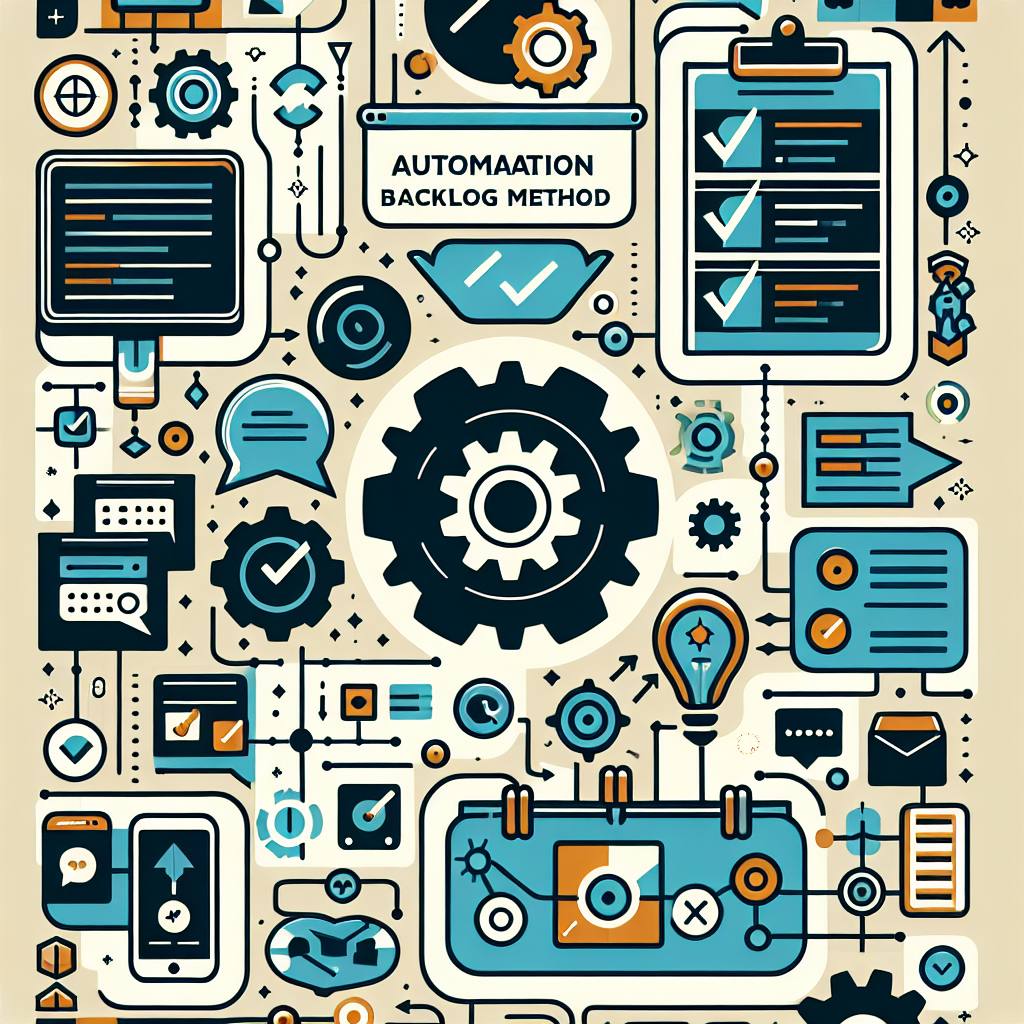
Most businesses do not need more automation ideas, they need a reliable way to choose the right ones and ship them. This post shows a practical backlog method and real scenarios you can implement step by step, starting from the messages you already receive every day.
“Use cases” sound abstract until you treat them like a product backlog: a prioritized list of small, shippable automations that remove friction from real conversations. If your team is answering the same questions, chasing the same details, and repeating the same follow-ups across WhatsApp, Instagram, Telegram, Facebook Messenger, and web chat, you already have a goldmine of automation opportunities.
This article shares a simple method to convert repetitive chat patterns into deployable workflows. You will also see real scenarios with step-by-step implementation guidance that fits how modern teams work: fast, measurable, and channel-native. Throughout, we will reference Staffono.ai (https://staffono.ai) as a practical platform for deploying 24/7 AI employees that handle communication, bookings, and sales across messaging channels.
Many automation initiatives fail because they start with tools and end with complexity. A backlog approach starts with demand. You document recurring message types, score them, and ship the highest-impact workflows first.
A good automation backlog has three properties:
Pull 7 to 14 days of conversations from the channels you use most. Include chat transcripts from WhatsApp, Instagram DMs, web chat, and any other sources. You are not looking for edge cases. You are looking for repetition.
Create clusters such as:
Each cluster becomes a backlog candidate. The goal is to turn “we get asked this a lot” into a named workflow with boundaries.
Use a quick scoring system from 1 to 5:
Pick the top two or three items with high volume and high impact, and moderate risk. Those are your first deployments.
Scenario: A home services company receives constant inquiries like “How much to clean a 2-bedroom?” or “Do you do office cleaning?” The team replies manually, asks for size and location, then loses leads when the customer stops responding.
Keep it simple at first. For example: pricing bands based on property type, approximate size, and add-ons. If exact pricing requires inspection, your “quote” can be a range plus a booking step.
Every answer should map to a field in your CRM or spreadsheet: name, phone, address area, service type, preferred time. This is where many teams fail, because they answer but do not store.
Escalate if the customer asks for special cases, commercial contracts, or unusual timing. Otherwise, the AI should complete the loop.
With Staffono.ai, you can deploy an AI employee that runs this conversation 24/7 across WhatsApp, Instagram, and web chat, consistently collecting the right details and moving the lead to booking. Because Staffono.ai is designed for business automation, it can maintain a structured flow, handle follow-up messages, and keep context, reducing the “start over” problem that happens when multiple team members jump into the same chat.
Scenario: A clinic, salon, or consulting firm spends hours per week confirming availability, rescheduling, and answering “Do you have anything tomorrow?” Messages arrive on multiple channels and staff cannot keep up after hours.
List services, durations, and required pre-questions (for example: first-time visit, symptoms, preferred specialist). Keep the list short to start.
Rescheduling is a separate use case. Make it easy: identify the appointment, propose alternatives, confirm, and update the calendar. If you add a deposit policy, the AI can explain it consistently.
Every booking ends with a confirmation message: date, time, location, what to bring, and how to change it.
Staffono.ai can act as the always-on scheduler across messaging channels, answering availability questions instantly and guiding customers to confirmed appointments. It also reduces missed bookings by sending reminders and handling reschedule requests without forcing customers to call during business hours.
Scenario: A B2B company gets inbound messages like “Can you integrate with X?” or “Is this for teams under 10?” Sales reps spend time on low-fit leads while high-fit prospects wait.
Define what “qualified” means in your business. Examples: industry, team size, budget range, timeline, required integration.
When a lead requests a demo, capture pain point, current tool stack, and desired outcome. This turns the first human call into a real sales conversation, not a discovery interview from zero.
The AI should pass a structured summary to sales: who they are, what they need, why now, and what was promised.
Staffono.ai is well suited for this because it can handle nuanced, multi-turn messaging conversations, qualify leads consistently, and route the right opportunities to your team with context. Instead of a generic chatbot, you get an AI employee designed to support real operations and sales workflows across the channels your prospects actually use.
Scenario: Customers message “Where is my order?” or “I received the wrong item” and your team searches systems, responds late, and escalates to refunds without enough information.
Order number, phone number, or email. Decide what is acceptable on each channel and how you confirm identity.
For wrong item or damaged goods, request photo, description, and preferred resolution (replacement or refund). This reduces follow-up loops.
When a human is needed, the AI forwards the ticket with all required fields already collected.
Using Staffono.ai, you can keep support responsive across WhatsApp and social DMs, even outside business hours, while ensuring every case is captured with the same required data. The result is faster resolution and fewer “please send your order number again” messages that frustrate customers.
Ship one workflow that solves one cluster. Avoid “one bot to do everything.” Depth beats breadth early on.
Examples: “A booking is done when the appointment is confirmed and stored,” or “A lead is done when contact details and service type are captured.”
Every workflow needs an escape hatch for exceptions. This reduces risk and builds trust internally.
Your backlog is alive. New products, policies, and seasonal demand create new message clusters. Track what the AI could not answer and turn those gaps into improvements.
If you are unsure where to begin, pick the use cases that combine high volume with clear outcomes:
They are measurable, they reduce repetitive work immediately, and they improve customer experience fast.
Once you treat use cases as a backlog, automation becomes a steady shipping habit, not a one-time project. You can launch small workflows, measure results, and expand coverage across channels without overwhelming your team.
If you want a practical way to deploy these workflows across WhatsApp, Instagram, Telegram, Facebook Messenger, and web chat with an always-on AI employee, Staffono.ai (https://staffono.ai) is built for exactly that. Start with one high-volume conversation cluster, implement it end-to-end, then let the results fund the next items in your automation backlog.