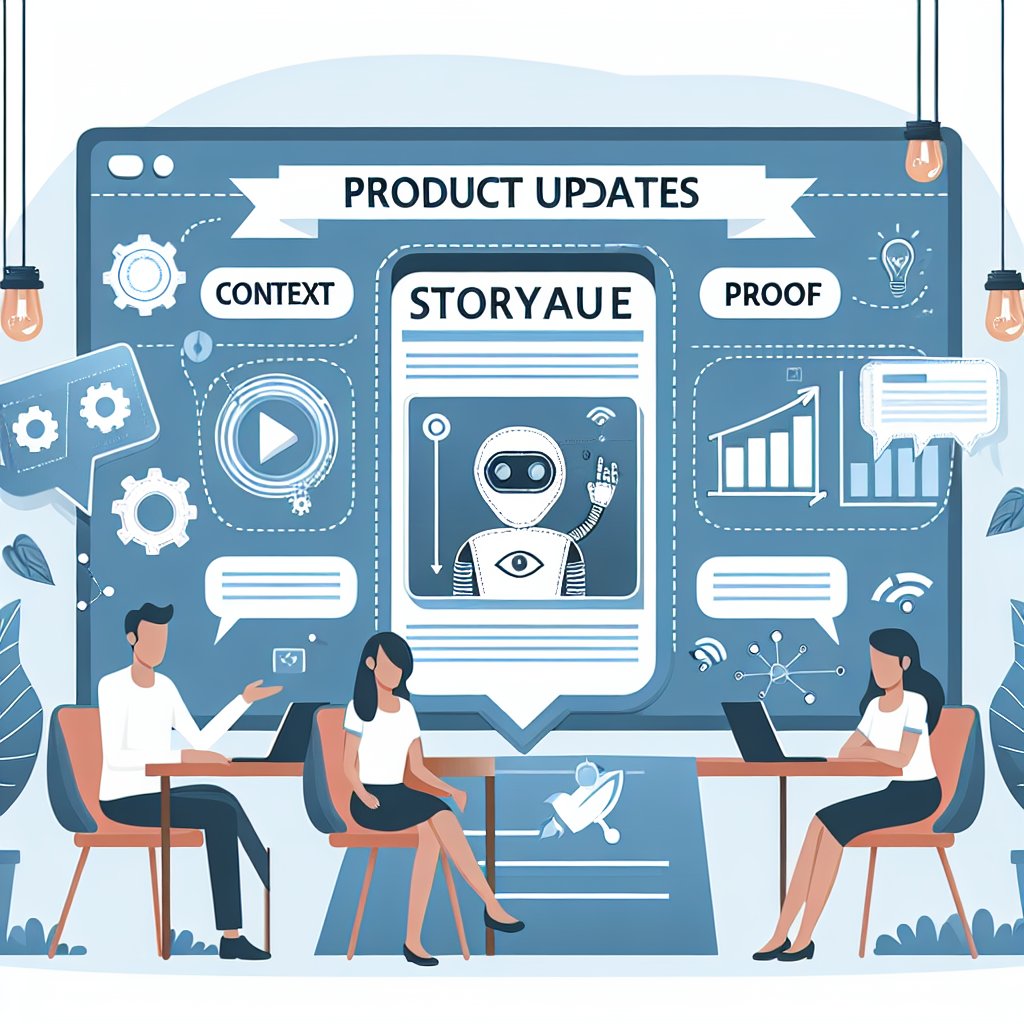

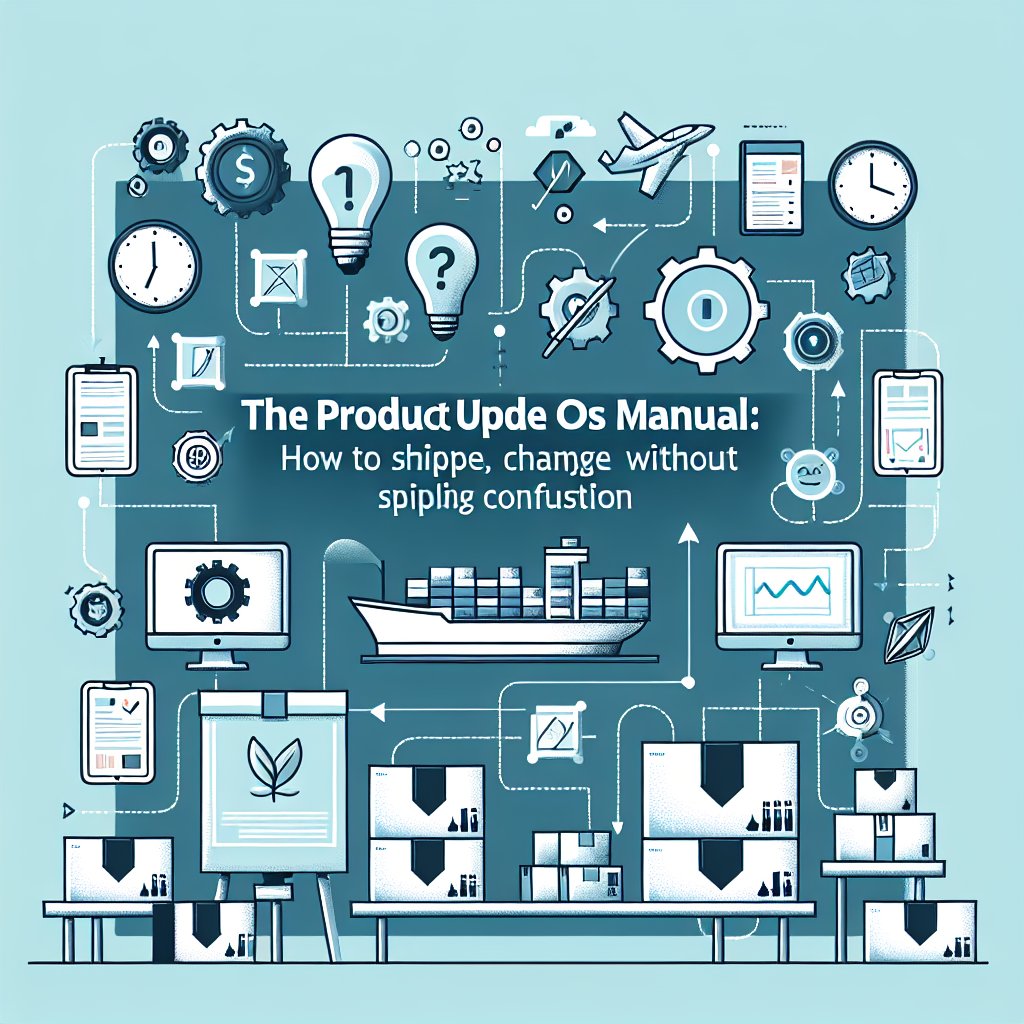
Product updates are not just a list of changes, they are an operational event that can either build confidence or create churn. This guide shows how to plan announcements, explain improvements, and introduce new features with clarity, adoption, and measurable outcomes in mind.
Most teams treat product updates like a publishing task: write release notes, post them, and move on. Customers experience them differently. An update is a moment where habits can break, trust can rise or fall, and support volume can spike. The difference is rarely the code. It is the operational discipline around what changed, why it changed, who it affects, and how quickly users can get value again.
This “ops manual” approach helps you run updates like a repeatable system. You will learn how to package announcements, improvements, and new features so users understand them, adopt them, and feel confident you are listening. You will also see how messaging automation tools like Staffono.ai (https://staffono.ai) can reduce friction by answering questions instantly across WhatsApp, Instagram, Telegram, Facebook Messenger, and web chat.
A product update has three jobs:
If your update communication does not accomplish these, it becomes noise. Worse, it can trigger support requests, negative reviews, and internal stress because the “announcement” did not include the operational pieces customers need.
Clear writing starts with clear classification. Before drafting, label your release items into one of these buckets:
Why this matters: each category needs a different explanation. A fix needs confidence and scope. A behavior change needs migration guidance. A new feature needs a use case and activation steps. When teams mix these categories, customers cannot tell whether they should take action.
Customers rarely care that you “improved performance.” They care about the problem that goes away. A simple technique is the Why ladder: keep asking “why does this matter” until you reach an outcome users recognize.
Write the update at the outcome level, then include the technical detail as optional context. This makes the message useful to decision-makers and to daily users.
When users see an update, their brain runs a quick checklist. Your page should match that sequence:
State it plainly in one sentence. Avoid internal project names and vague claims.
Specify roles, plans, regions, devices, or channels. If only admins must act, say so.
Connect to a customer problem, a compliance requirement, or a reliability goal. Do not hide tradeoffs.
Provide steps, links, and time estimates. Include “No action needed” when true.
This reduces anxiety and forces you to be honest about urgency.
Offer one obvious support path. This is where automation can materially change outcomes.
What changed: Message response time in your support inbox is now faster during peak hours.
Why: Many teams told us that morning spikes caused delayed replies and duplicate follow-ups. We optimized queue handling so urgent messages are prioritized.
What you need to do: No action needed. If you use tags to mark urgent issues, they will now be routed first.
Outcome: Fewer “Are you there?” messages and fewer escalations.
What changed: You can now route leads by intent, not just by channel.
Why: A WhatsApp inquiry can be sales, support, or bookings. Channel-only routing forces manual triage. Intent routing reduces handoffs.
What you need to do: Turn on intent categories and map each category to an owner or automation.
Platforms like Staffono.ai (https://staffono.ai) make this practical because AI employees can classify intent from real message text and route the conversation automatically, 24/7, across WhatsApp, Instagram, Telegram, Facebook Messenger, and web chat.
What changed: Default notification settings for missed chats are now enabled for admins.
Why: We saw missed chats lead to lost bookings. Admins often assumed alerts were active when they were not.
What you need to do: Admins can disable in Settings. Non-admin users are unchanged.
Tradeoff: More notifications initially, but fewer missed opportunities.
One announcement rarely reaches everyone. Run a staged rollout that matches user readiness:
This approach prevents the common failure mode where the update is “announced” but never adopted.
Use different channels for different kinds of change:
Messaging is the most underused tool in update operations. When users can ask “Does this affect my plan?” or “Where did that button go?” and receive a precise answer, confusion collapses. Staffono.ai (https://staffono.ai) is built for this: AI employees can handle repetitive update questions, send guided steps, and escalate edge cases to a human with full conversation context.
Before release, write the questions you expect to receive and answer them in plain language. This becomes your internal runbook and also your external FAQ.
Then convert that inventory into automated replies in your messaging channels. With Staffono, you can deploy these as conversational flows so users get help where they already are, like WhatsApp or Instagram DMs, instead of searching a help center.
Publishing is not the finish line. Track outcomes that show whether the update succeeded:
A practical tip: add one question at the end of your update message: “What are you trying to do that this should make easier?” The answers give you next quarter’s roadmap and reveal whether your “why” was understood.
The strongest teams treat updates as a monthly habit with templates, roles, and metrics. Over time, customers learn that change is safe because it is communicated clearly and supported quickly.
If you want to turn updates into a smoother experience, consider adding messaging automation to your release process. With Staffono.ai (https://staffono.ai), you can deploy 24/7 AI employees that proactively notify users about relevant changes, answer common questions instantly across multiple channels, and route complex cases to your team with context. When your updates come with built-in guidance, adoption rises and support pressure drops.