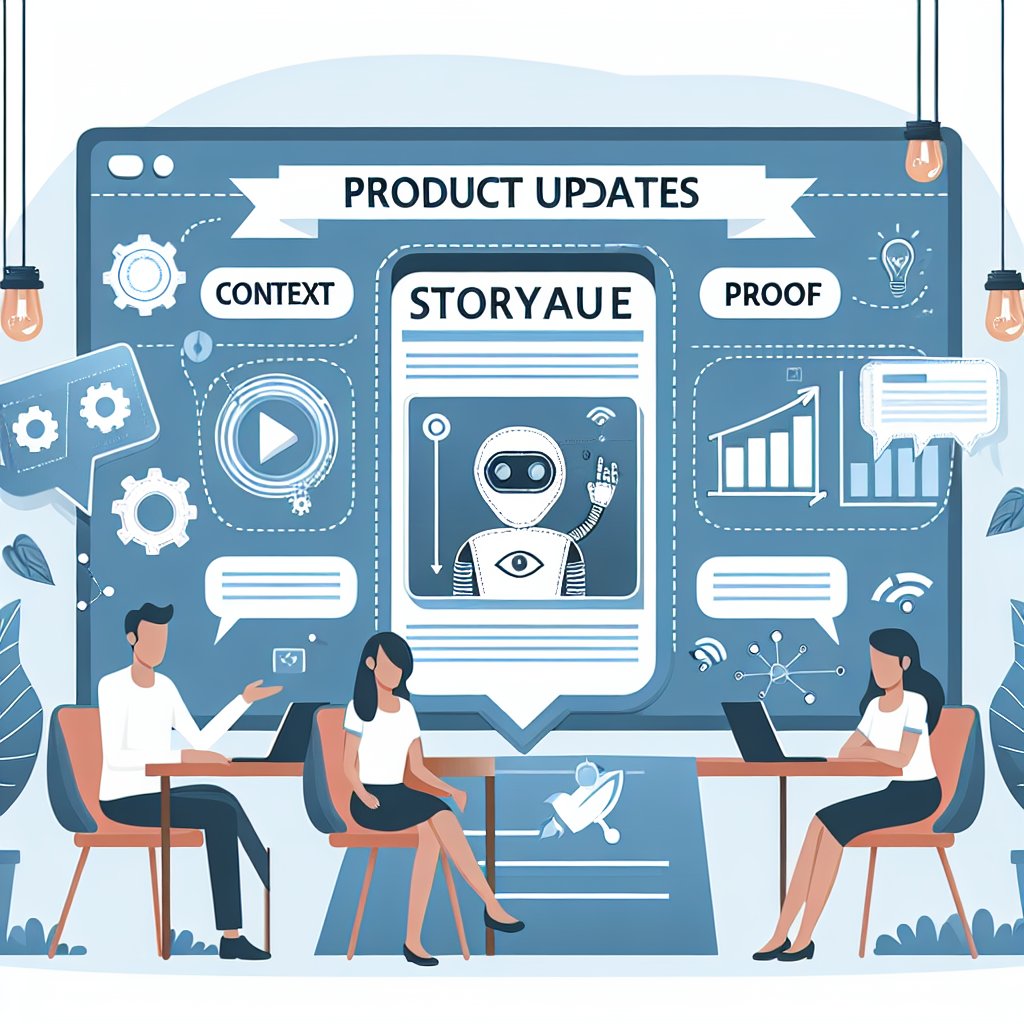

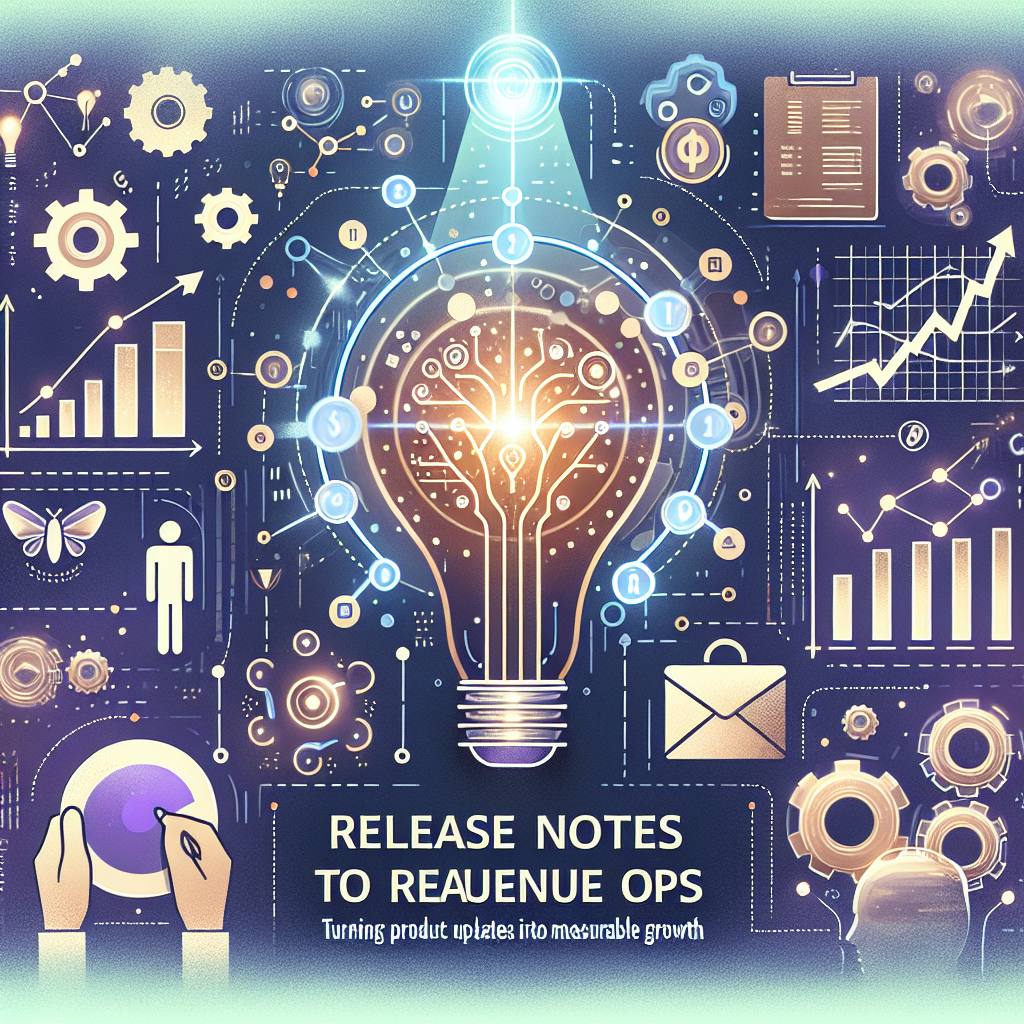
Product updates are not just announcements, they are operational events that affect support load, conversion rates, and customer confidence. This guide shows what changed, why it matters, and how to ship improvements and new features with clear measurement and faster adoption.
Most teams treat product updates like a publishing task: write release notes, post in-app, maybe send an email. But customers experience updates as operational change. A new feature shifts how they work. An improvement changes the steps they rely on. Even a small UI adjustment can trigger questions, slowdowns, and lost momentum. That is why the best update communications do two things at once: they explain what changed and why, and they make adoption measurable across the business.
This article breaks down a practical approach to announcements, improvements, and new features so you can ship changes with less confusion and more impact. Along the way, you will see how messaging automation and 24/7 AI support, like what Staffono.ai provides, can turn update communication into a growth lever instead of a support burden.
Internally, teams categorize releases by engineering effort. Externally, users categorize releases by disruption and benefit. In practice, most updates fall into three customer-visible types:
When you communicate updates, start with the customer-visible type, not the internal project name. “We improved response time on searches by 40%” lands immediately. “We refactored the query layer” does not.
Adoption drops when the update story is incomplete. Incomplete does not mean “not enough words”, it means missing the information customers use to decide how to respond. The most common gaps are:
When those gaps exist, your “new feature” becomes “risk”. Your “improvement” becomes “another thing I have to learn”.
A simple way to make updates clear is to write them like an internal operations brief, but in customer language. Use four elements every time:
Example for an improvement:
If you use Staffono.ai to automate customer communication across WhatsApp, Instagram, Telegram, Facebook Messenger, and web chat, this format becomes even more important. Automation creates speed, but speed without clarity can create faster confusion. Clear briefs align your team and your customers.
Improvements are often the hardest to communicate because they feel “small” to the shipper but “suspicious” to the user. Customers have learned that “improved performance” sometimes means “something moved”. The fix is to make the benefit specific and measurable.
Instead of listing changes, describe the behavior you are enabling:
Pick a metric that maps to customer outcomes, not engineering pride:
For example, if your update reduces missed messages, say so. If it improves response time, quantify it. Businesses that run sales and support in messaging channels care deeply about speed and consistency. Platforms like Staffono.ai exist because missed messages and slow replies directly reduce bookings and revenue.
New features do not fail because they are bad. They fail because the first use is unclear. Users open the product, see something new, and do not know how to test it safely.
Do not ask users to invent a workflow. Provide a starter scenario that matches a common job-to-be-done. For example:
This is where AI automation can shine. If you are rolling out a new lead qualification capability, show exactly how it works in a real channel. For instance, a Staffono.ai AI employee can greet a new Instagram DM, ask budget and timeline questions, and then hand off to a human rep with a summary. That is a concrete first use, not an abstract feature.
Customers trust “why” when it references a reality they recognize. Credible reasons often fall into these buckets:
Avoid overclaiming. If the main goal is fewer support tickets, you can say “to reduce confusion and make setup easier” rather than “to revolutionize your workflow”. Simple and true wins.
What changed: “Telegram is now available as a supported inbox channel.”
Why: “Many teams run customer support and sales in Telegram groups and DMs, and needed the same automation and tracking they already use elsewhere.”
Do now: “Connect your Telegram account, choose which conversations should trigger automation, and test a sample reply.”
What changed: “Conversation summaries are now generated automatically after handoff.”
Why: “Hand-offs were slowing teams down because context was scattered across messages.”
Do now: “Enable summaries for your sales queue and confirm which fields should be included (budget, intent, booking request).”
What changed: “A new booking workflow lets customers schedule directly from chat.”
Why: “We saw drop-offs when customers had to leave the chat to book.”
Do now: “Pick a service, set availability, and run a test booking through WhatsApp or web chat.”
These examples map closely to how businesses use Staffono.ai: automate conversations, qualify leads, and convert intent into bookings across channels. The key is not that the feature exists, it is that the path to value is obvious.
Update success is not “people saw the announcement”. It is “people changed behavior”. Track adoption with a simple funnel:
If you operate in messaging-heavy businesses, you can also measure “time to first reply” and “handoff quality”. Staffono.ai helps here because automated replies and AI summaries make it easier to keep response times stable even during rollout weeks when questions spike.
Customers rarely read long release notes. They ask questions where they already work: WhatsApp, Instagram DMs, Messenger, or your website chat. Plan for that reality.
With Staffono.ai, you can automate these update conversations directly in the channels your customers use. An AI employee can answer “What changed?” and “How do I enable it?” at any hour, and escalate edge cases to a human with the conversation context attached. That turns update week from a support fire drill into a controlled rollout.
The best product updates do not just inform. They guide. They reduce uncertainty, provide a safe path to first value, and make outcomes measurable. If you treat updates as operational events, your announcements become clearer, your improvements become believable, and your new features become easier to adopt.
If you want your next release to create less confusion and more conversion, consider using Staffono.ai (https://staffono.ai) to automate update-related questions, route high-intent conversations, and keep your team responsive across WhatsApp, Instagram, Telegram, Facebook Messenger, and web chat. When your product changes, your customers will have help immediately, and your business will see the impact in bookings, lead quality, and support load.