

Most product updates fail not because the features are weak, but because the message is unclear. This guide shows how to announce changes in a way that builds trust, reduces support load, and drives adoption with practical examples you can copy.
Product updates are not just a list of new buttons. They are a promise to customers that you are listening, improving, and protecting their time. Yet many release announcements land with a thud: too technical, too vague, or too long, leaving users unsure what changed, why it matters, and what they should do next.
This post breaks down how to communicate announcements, improvements, and new features so customers actually read them, understand the value, and take action. You will also see how an AI automation platform like Staffono.ai can help you deliver updates across messaging channels, answer questions instantly, and turn every release into a measurable adoption moment.
Teams ship meaningful improvements and still hear: “Nothing changed,” or “Where did that setting go?” That gap is almost always a communication problem. Common reasons include:
A good update reduces uncertainty. A great update creates momentum: customers understand the benefit, feel confident, and take the next step quickly.
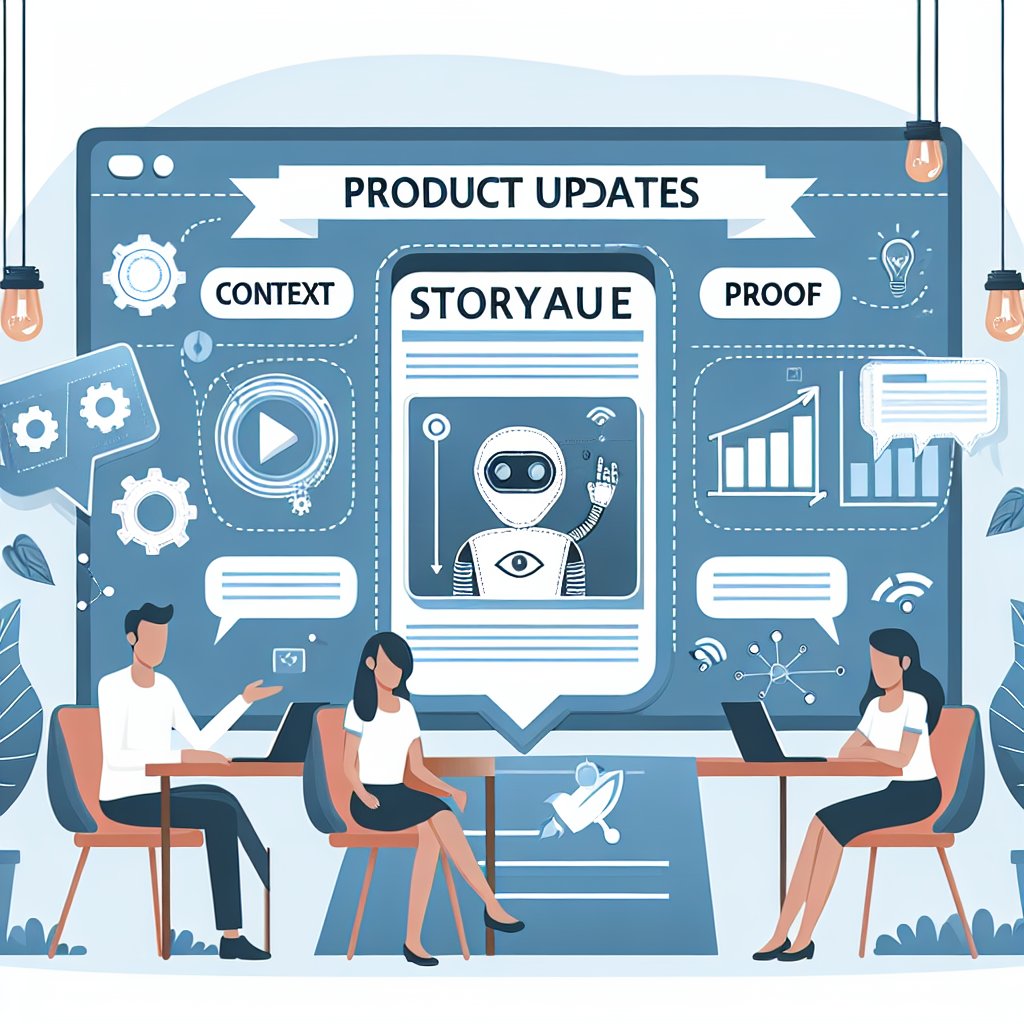
You can make nearly any product update clear with three building blocks:
State the change in plain language. Avoid internal code names. If it affects workflows, say so directly.
Connect the update to a customer problem, a performance improvement, or a security need. This is where trust is built.
Give one or two concrete actions. Link to documentation or a short walkthrough. If there is nothing to do, say that too.
Think of this as a mini narrative: problem, solution, outcome. It is the difference between “We added filters” and “You can now find high-intent leads in seconds instead of scrolling through noise.”
Different audiences want different levels of detail. A practical structure that works across B2B products looks like this:
Lead with the user outcome. Example: “You can now route inquiries to the right team automatically, reducing first response time.”
Use bullets for scanability. Each bullet should include a benefit phrase, not only a feature label.
Explain what feedback, data, or risk drove the change. Customers do not need your entire roadmap, but they do need reassurance that the change is intentional.
A short scenario makes the value obvious and reduces support tickets.
Point to a guide, a short video, or a message-based assistant. This is where automation can shine.
With Staffono.ai, many teams choose to deliver these updates directly in the channels customers already use, like WhatsApp, Instagram, Telegram, Facebook Messenger, and web chat. Instead of hoping users read a long email, you can send a concise message with a link and let an AI employee answer follow-up questions 24/7.
What changed: “We updated our notification settings so you can control which alerts you receive per workspace.”
Why it changed: “Many teams told us alerts were either too noisy or too easy to miss. The new controls help you stay informed without distractions.”
What to do now: “Open Settings, Notifications, and choose your alert level for each workspace. If you want a recommended setup, reply ‘suggest’ in chat and we will guide you.”
That last line is where a messaging-first assistant matters. If you use Staffono.ai, an AI employee can instantly explain the recommended configuration based on team size, role, or industry, and it can do so in the same channel where the user asked the question.
What changed: “Search now loads results up to 40% faster, especially for large accounts.”
Why it changed: “As your data grows, slow search becomes a daily tax. We rebuilt indexing to keep your workflow smooth.”
What to do now: “No action required. If you notice any missing results, send the query to support so we can investigate.”
This format prevents confusion: users know they do not need to change anything, and you set a clear feedback path.
What changed: “You can now create an automated follow-up sequence that stops the moment a customer replies.”
Why it changed: “Follow-ups drive revenue, but manual reminders are inconsistent. Automation keeps your pipeline moving without spamming engaged customers.”
What to do now: “Create a sequence, choose timing, and set the stop condition to ‘on reply’. Start with the template ‘First-time inquiry’ if you want a fast setup.”
If your business depends on messaging, this is where automation platforms become operational leverage. Staffono.ai helps teams automate follow-ups across multiple channels while maintaining a human tone, and it can route replies to the right person or continue the conversation automatically based on intent.
Sending the same update to everyone is easy, but it often backfires. A finance manager cares about reporting accuracy; a sales rep cares about speed; an operator cares about fewer manual steps. Segmenting does not require perfection, just a few meaningful buckets:
A practical approach is to write one core update, then create short variants per segment. With Staffono.ai, you can broadcast tailored update messages in WhatsApp or web chat and let an AI employee handle the “Does this affect me?” questions at scale.
Customers want the reason, not your meeting notes. Strong “why” statements tend to fall into a few categories:
Choose one clear reason. If there are multiple, prioritize the most user-relevant. The goal is confidence: customers understand that the change is not random.
Product updates should have success metrics. Otherwise, you cannot tell whether communication worked. Consider tracking:
Messaging analytics are especially helpful because they reveal confusion quickly. If you announce an update and receive repeated questions like “Where is it?” you know your instructions need improvement. If you use Staffono.ai, you can tag incoming questions about a release and spot patterns, then update your help content and scripts in real time.
A predictable set of questions follows most releases:
Write these answers before you ship. Then publish them as a short FAQ and make them easy to access from the announcement itself. This is also a strong place for AI support automation. An AI employee inside Staffono.ai can respond instantly with the right snippet, link, or step-by-step guidance, reducing human support workload while improving customer experience.
The best teams treat update communication as a system, not a one-off task. Draft the benefit line, list what changed, add a clear why, include an example, and provide next steps. Segment the message. Prepare FAQs. Measure adoption and iterate.
If your customers primarily interact through messaging, you can make releases feel effortless by delivering them where conversations already happen. Staffono.ai helps you announce updates across WhatsApp, Instagram, Telegram, Facebook Messenger, and web chat, then keeps the momentum going with 24/7 AI employees that answer questions, guide setup, and nudge users toward activation without adding pressure to your team.
The result is not just “we shipped something,” but “customers understood it, used it, and got value fast,” which is what product updates are supposed to do.