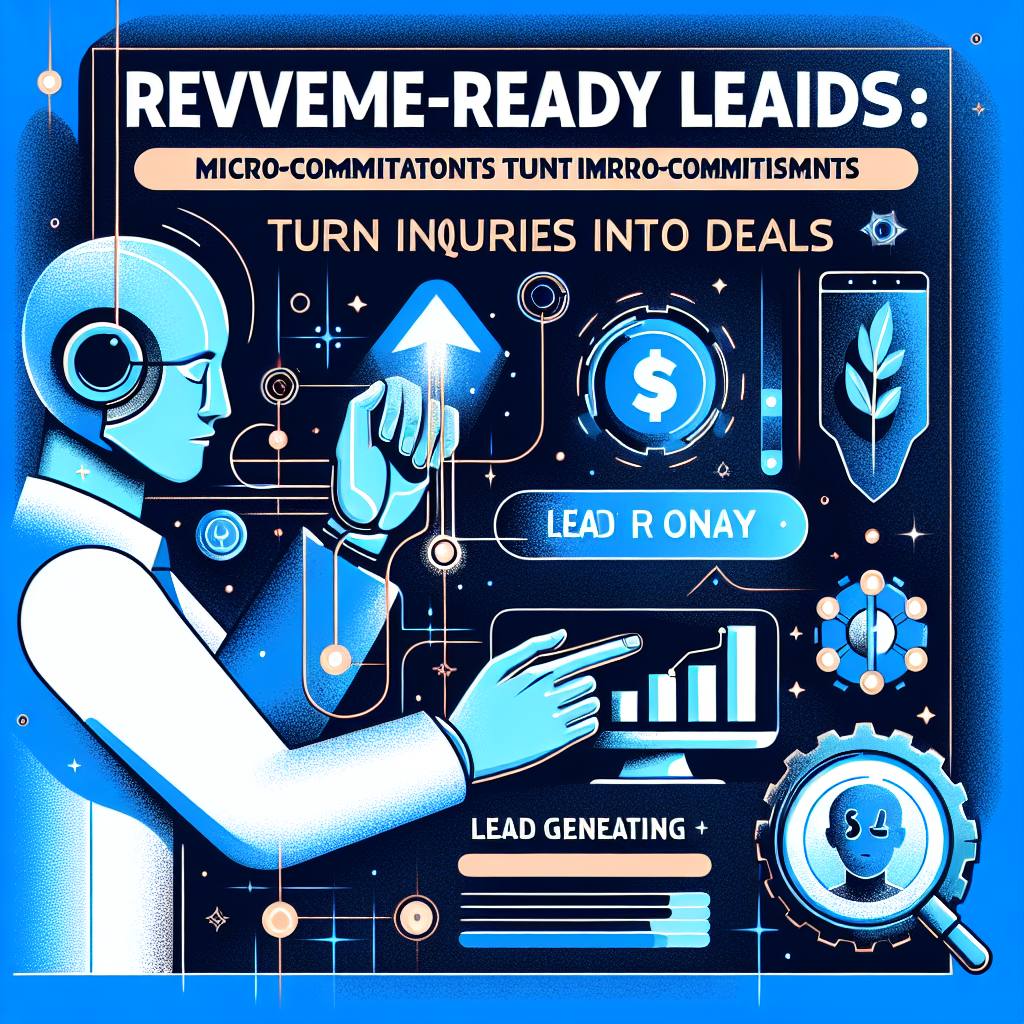


Most lead gen leaks happen after the click, inside slow replies, missed DMs, and vague follow-ups. This guide shows how to capture, qualify, and convert leads by building a fast, consistent inquiry-to-booking system across messaging channels.
Lead generation is often treated like a traffic problem: more ads, more posts, more landing pages. But many businesses already have enough demand. The real issue is what happens after someone raises their hand. A prospect asks a question in WhatsApp at 9:40 pm, sends an Instagram DM during a commute, or fills out a form with a single line: “How much does it cost?” If the response is late, generic, or requires too much effort, that lead quietly disappears.
This is the “quiet funnel” where revenue is won or lost: the invisible stretch between first inquiry and a booked call, a scheduled visit, or a paid checkout. In this article, you will learn tactics to capture more inquiries, qualify them without friction, and convert them into revenue with repeatable workflows. You will also see how Staffono.ai (https://staffono.ai) can help automate the highest-leak parts of the funnel across WhatsApp, Instagram, Telegram, Facebook Messenger, and web chat.
Most leads do not need persuasion first. They need clarity and momentum. When they reach out, they are trying to reduce uncertainty: price, availability, fit, trust. If your process adds delay or complexity, you increase uncertainty instead of removing it.
Common conversion killers include slow response times, inconsistent answers across team members, “please email us” detours, and qualification forms that feel like homework. Another issue is context loss: the prospect asked a question in Instagram, but the salesperson follows up by phone without referencing the original message.
The fix is not “try harder.” The fix is to design a system that makes the next step obvious, fast, and personalized, every time.
In many industries, buyers prefer messaging because it is low pressure and asynchronous. Put your messaging entry points everywhere: website, Google Business Profile, social profiles, and post captions. Use channel-specific prompts like “Message us to check today’s availability” instead of “Contact us.”
Staffono.ai can connect to multiple messaging channels and keep responses consistent, which is crucial when inquiries arrive in different places at the same time.
People message when they want a quick answer. Help them start the conversation with one-tap options. Examples:
These prompts reduce friction and also create intent signals you can use for qualification.
You do not need long lead magnets to improve lead quality. Use small assets that filter and educate:
The goal is not to hide price or complexity, but to make it easy to understand. When prospects feel informed, they stay engaged.
Great qualification is not interrogation. It is a guided path to the best next step. Focus on three dimensions:
You can capture this with just a few conversational questions. For example: “What are you trying to achieve?”, “When do you need it?”, “Are you comparing options or ready to book?”
Instead of asking for full details upfront, collect information step by step as the prospect stays engaged. Start with a helpful answer, then ask one short question that moves the conversation forward.
Example for a local service business:
This keeps momentum while collecting qualifying data that matters for scheduling and conversion.
Not every lead should go to the same next step. Create simple lanes such as:
Staffono.ai can handle initial qualification and routing automatically, so your team spends time where human attention creates the most value.
In messaging, conversion often means a smaller commitment: booking a call, scheduling a demo, reserving a time slot, or paying a deposit. The goal is to reduce risk and increase certainty.
Instead of “Let me know if you want to proceed,” use a choice that assumes forward motion: “Would you like to book a 15-minute call today or tomorrow?” Choices are easier than open-ended decisions.
Prospects hesitate when offers feel fuzzy. Add specifics:
If pricing varies, give a range with a quick explanation: “Most customers fall between X and Y depending on A and B. If you answer two questions, I can narrow it down.”
Most objections in chat are not rejections. They are incomplete context: “Too expensive,” “Need to think,” “Not sure.” Build a simple objection playbook:
Because these scenarios repeat, they are ideal for automation. With Staffono.ai, you can standardize high-quality responses so every lead gets the best version of your sales conversation, even at peak hours.
Follow-up should feel like service, not pressure. Trigger messages based on what the prospect did:
Behavior-based follow-up outperforms generic “checking in” messages because it matches the buyer’s context.
A prospect might start in Instagram, then continue in WhatsApp, then check your website again. The more your system remembers, the more personal your follow-up feels. Even small details like the service they asked about can increase reply rates.
Staffono.ai is designed for messaging-first operations, helping businesses maintain consistent conversations and reduce context loss across channels.
A prospect clicks “Request demo” but only types “Interested.” The system replies instantly with two questions: company size and main goal. Based on the answers, it offers the right demo type: a quick product tour for small teams or a discovery call for larger accounts. It then proposes two time slots and confirms the calendar booking. If the prospect does not choose a time, it follows up the next day with a short case study relevant to their goal.
A lead asks, “Do you have openings this week?” The conversation captures service type, preferred day, and any constraints. It then shows available slots and books instantly. If the lead asks about price, it shares starting prices and what is included, then returns to scheduling. This is where speed matters most, because buyers often message multiple providers at once.
A lead wants a quote for a repair. The chat collects address, issue type, urgency, and photos. It provides a range, explains what affects price, and offers a paid inspection slot or a free estimate window depending on the job type. Qualified leads are routed to a human for final confirmation.
To improve lead generation and sales, measure the quiet funnel, not just clicks:
When these metrics improve, you often do not need more leads. You need fewer leaks.
List every place a lead can contact you. Note response times, who answers, and what happens next.
Create short, high-quality replies for pricing, availability, fit, and trust questions. Keep them conversational and channel-appropriate.
Pick the smallest set of questions that determines fit and next step. Assign each lead to a lane: book, nurture, human sales, or redirect.
Set up automation for instant replies, qualification, booking prompts, and follow-up reminders. Run tests across WhatsApp, Instagram, and web chat to ensure consistent tone and correct routing.
If you want to turn missed DMs and after-hours questions into booked appointments and paid invoices, Staffono.ai (https://staffono.ai) is built for that exact gap. With 24/7 AI employees that handle conversations, qualification, and bookings across your messaging channels, you can keep your pipeline moving while your team focuses on high-value closes and customer delivery.