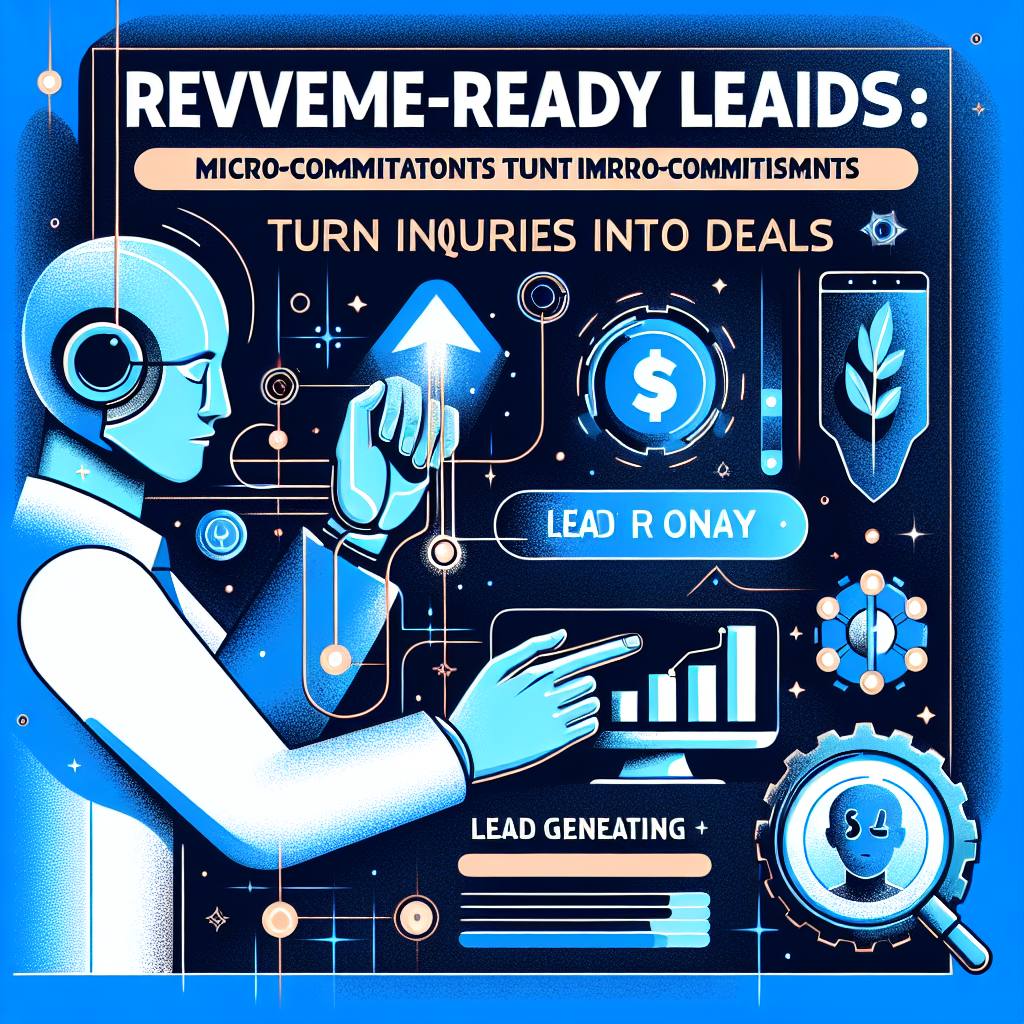


Most lead gen problems are not about volume, they are about triage. This guide shows how to capture leads across channels, qualify them fast with consistent rules, and convert the right people into revenue with a repeatable sales motion.
Lead generation and sales often fail for one quiet reason: teams treat every inquiry as equal. A student asking for a price list, a competitor fishing for details, and a buyer ready to sign can all look identical in your inbox. When you respond the same way, you either waste time on low-intent conversations or you move too slowly for high-intent buyers.
The fix is not “more leads.” It is lead triage: a simple, consistent system that captures contact details, detects intent, routes the conversation, and moves qualified prospects to the next step without friction. Done well, triage turns messaging, forms, and social DMs into a predictable revenue engine.
When you increase lead volume without a triage system, three things happen:
Triage creates clarity. You define what “qualified” means, you ask the right questions early, and you apply next steps that match the buyer’s readiness.
Capturing leads is not only about forms and landing pages. It is about placing low-effort entry points where intent naturally appears and ensuring every entry point produces usable data.
Instead of asking for a long form upfront, aim for small actions that start a conversation:
Micro-commitments work because they match how people buy today: they ask one question first, then decide whether to invest more time.
If your website captures company size but your Instagram DMs capture only a first name, your qualification will be inconsistent. Create a “minimum viable lead record” that every channel should collect within the first few interactions:
This is where an always-on messaging layer helps. Staffono.ai can act as a 24/7 AI employee across WhatsApp, Instagram, Telegram, Facebook Messenger, and web chat, capturing the same core fields in a conversational way so your pipeline starts clean even when leads arrive after hours.
Imagine a dental clinic running ads that say “Same-week appointments available.” The ad opens WhatsApp. The first message from the clinic should not be a long pitch. It should be a guided intake:
Within 60 seconds, you have enough information to route the lead to booking or to a human for special cases. With Staffono.ai, that intake can happen automatically, and qualifying answers can be passed into your booking workflow.
Qualification is about reducing uncertainty. You are trying to answer: Is this a real fit, and are they ready to take the next step?
Different businesses should qualify differently. A SaaS company might care about team size and integrations. A high-ticket agency might care about budget and decision-making authority. A clinic might care about urgency and eligibility.
Create a short decision tree with 5 to 7 questions maximum. If you need more, ask them later after they have committed to a meeting.
A reliable triage approach is to qualify through three gates:
Each gate can be answered with one or two questions. For example, a B2B automation provider might ask:
People often overstate their urgency. Behavior is more truthful. Track signals like:
Staffono.ai can help by consistently tagging conversations based on these signals and routing them to the right next step, for example escalating high-intent chats to a human rep while continuing to nurture low-intent inquiries automatically.
Conversion is rarely one step. It is a ladder. If you only offer “book a sales call,” you lose people who are interested but not ready. If you only chat endlessly, you lose people who want a direct path to purchase.
Most businesses benefit from three clear paths:
The key is to move people forward with the smallest next commitment. A medium-intent lead might say, “Not sure which plan I need.” The next step is not a 60-minute call. It might be a 10-minute fit check or a short questionnaire that produces a recommended option.
After a lead agrees to a next step, confirm the details immediately:
This sounds basic, but it is one of the highest ROI habits in sales. Automated messaging can do this perfectly every time. With Staffono.ai, confirmations and reminders can run across your messaging channels, keeping no-shows down and maintaining a professional experience even at high volume.
Most revenue is won in follow-up, but most follow-up is inconsistent because it depends on memory and willpower. Replace “I’ll check back” with a defined cadence based on intent.
Follow-up should always add value: a specific answer, a recommendation, a comparison, or a reminder tied to their stated goal. Avoid generic “just checking in” messages.
Replace a long intro with a short triage opener:
Example: “Happy to help. Which service are you looking for, and are you hoping to get started this week or later?”
If you sell appointments, let people book inside the channel where they asked. Many leads drop when they must switch apps, open email, or fill a long form. Messaging-first booking can lift conversions immediately.
Disqualification saves time and protects focus. Write a short response that closes the loop while leaving the door open:
“Based on what you shared, we might not be the best fit. If your needs change or your timeline moves up, message us and we will point you in the right direction.”
Track metrics that reflect the health of your triage system:
If you improve speed and qualification consistency, conversion tends to follow.
The most difficult part of lead generation is not knowing what to do. It is doing it every time, across every channel, at every hour, with consistent quality. That is where automation becomes a competitive advantage.
Staffono.ai helps businesses run lead triage end-to-end in messaging: capturing lead details, asking the right qualifying questions, routing high-intent prospects to your team, and handling confirmations and reminders so conversations do not stall. Because Staffono.ai works across WhatsApp, Instagram, Telegram, Facebook Messenger, and web chat, you can keep your triage rules consistent wherever customers reach you.
If you want to turn more inquiries into booked calls and paid invoices without hiring a larger team, start by documenting your triage questions and next-step ladder, then let Staffono.ai execute that system 24/7 at https://staffono.ai. The goal is simple: fewer wasted conversations, faster responses for serious buyers, and a pipeline that reliably turns attention into revenue.