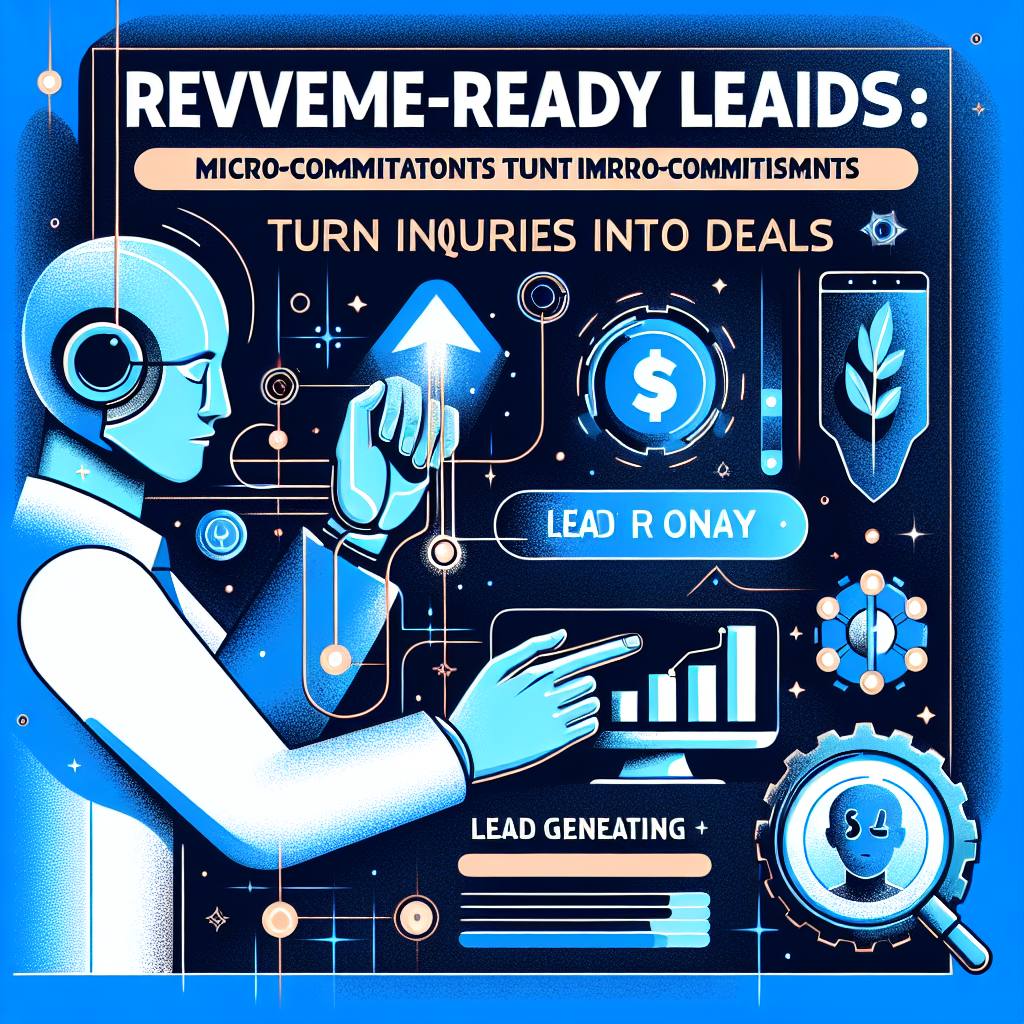

Most lead generation advice focuses on volume, but revenue comes from recognizing intent early and responding with the right next step. This guide shows how to capture leads everywhere they appear, qualify them using micro-signals, and convert them with a repeatable, messaging-first sales process.
Lead generation and sales often get treated like two separate jobs: marketing “gets leads” and sales “closes deals.” In reality, buyers experience one continuous journey. They see a post, click a link, ask a question in a chat, disappear for a day, come back on WhatsApp, and expect you to remember what they meant. The teams that win are the ones that turn that messy journey into a clear system.
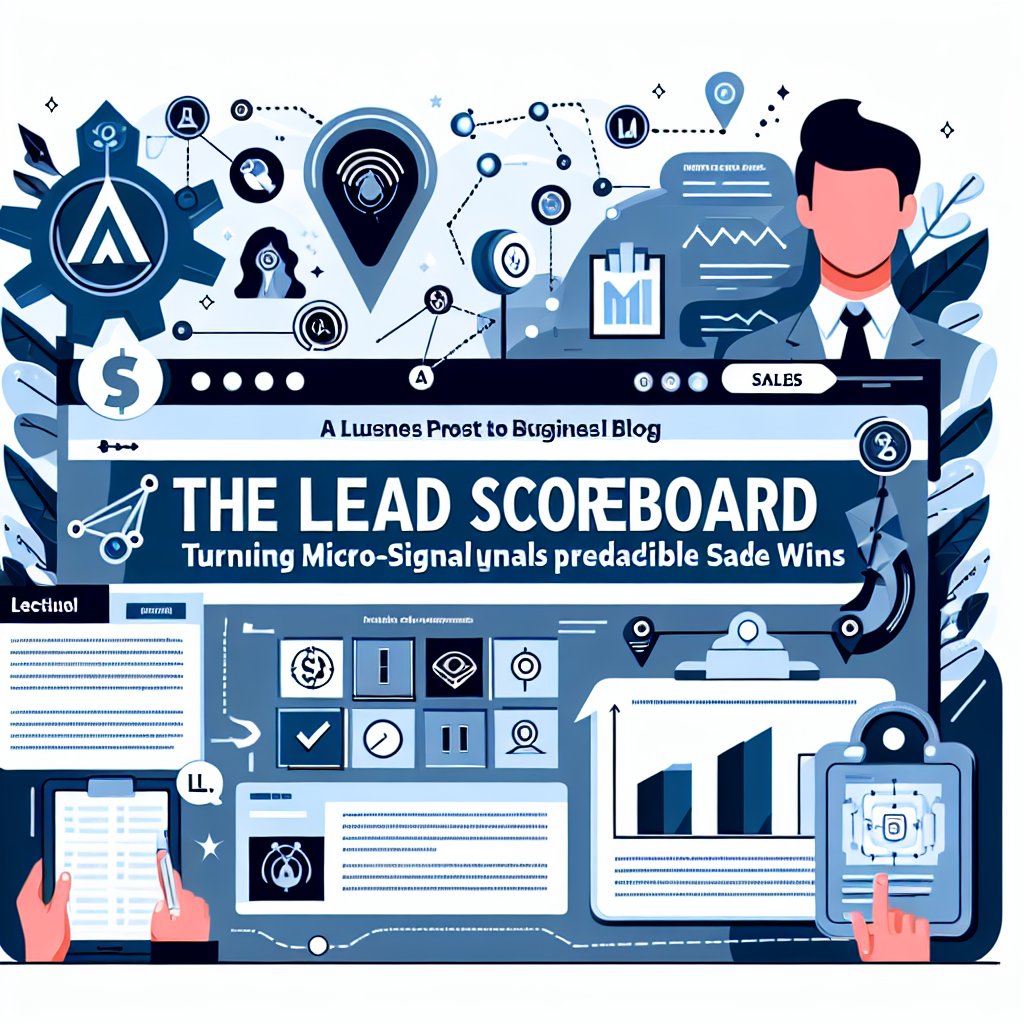
This article introduces a practical approach: treat every interaction as a signal, track those signals on a simple “lead scoreboard,” and use them to drive the next best action. You will learn tactics to capture leads across channels, qualify them quickly without scaring people off, and convert them into booked calls, paid trials, or purchases.
Modern lead capture is less about gated PDFs and more about reducing friction. People do not want to fill out a long form to ask a simple question. They want to message you the way they message friends. Your job is to make that easy and measurable.
Forms still matter for some industries, but conversation entry points typically lift conversion because they match buyer behavior. Add clear, channel-specific paths:
Staffono.ai (https://staffono.ai) is designed for this reality: it supports customer communication and sales across WhatsApp, Instagram, Telegram, Facebook Messenger, and web chat, so you can capture leads where they show up without forcing them into a single channel.
Many businesses ask for too much information upfront. Instead, offer value first, then collect details after the buyer is engaged. A simple structure:
Example: a home services company can instantly share “available appointment windows this week” before asking for address details. A B2B service can share “three package ranges and what is included” before asking company size.
Lead capture fails silently when you cannot tell which sources create revenue. Track at least:
If you connect these basics to your CRM, you can build a simple view of what is working. If you cannot connect everything yet, start with tags inside your messaging workflows and export weekly.
Qualification should not feel like an interview. The best qualification feels like helpful guidance. The secret is micro-signals: small pieces of intent revealed in natural conversation.
Instead of relying only on “budget, authority, need, timeline,” add micro-signals that show real buying momentum. Look for:
These signals can be captured in your CRM as tags or fields. Over time, you can map which signals predict conversion.
Progress questions qualify and advance simultaneously. They should be easy to answer and clearly connected to the buyer’s goal.
Notice these questions do not demand sensitive information immediately. They create a path to the next step.
Not every lead needs a sales call. Create three simple tiers:
Each tier gets a different response. Tier A gets an immediate booking link or a fast quote. Tier B gets a short diagnostic and a helpful resource. Tier C gets a low-effort nurture message and periodic check-in.
This is where Staffono.ai becomes especially practical: an AI employee can qualify leads 24/7 with consistent questions, apply tags, and route Tier A leads to a human instantly while continuing to nurture Tier B and Tier C automatically.
Conversion is rarely one leap. It is a ladder of small commitments that reduce uncertainty. The goal is to always have a clear “next step” that matches the buyer’s intent.
Choose 4 to 6 steps that fit your business. Example ladder:
A ladder prevents the “What now?” moment that causes drop-off.
Templates should sound natural and be adaptable. Three high-performing message types:
Automation does not mean robotic. It means consistent, timely, and context-aware.
Fast replies increase conversion, but irrelevant replies destroy trust. Train your process to pull context from the conversation and reflect it back. Even a short sentence like “You mentioned you need this by Friday” can dramatically improve response rate.
With Staffono.ai, businesses can keep response speed high without sacrificing context. Because it can operate across multiple channels, it helps maintain continuity when a lead switches from Instagram to WhatsApp or from web chat to Messenger.
Capture: add click-to-WhatsApp buttons on service pages and a web chat prompt: “Want available times this week?”
Qualify: ask two progress questions: “Which service do you need?” and “Do you prefer morning or afternoon?”
Convert: offer three appointment slots and request confirmation. If the lead hesitates, send a short “what to expect” message and a link to reviews.
Capture: on LinkedIn and Instagram, invite people to DM “AUDIT” to get a quick teardown.
Qualify: ask about monthly spend range and primary goal (pipeline, retention, launch). Tag Tier A if they mention an upcoming launch date.
Convert: send a calendar link only after confirming the goal and sharing a 3-bullet mini-audit. This reduces no-shows because the lead already received value.
Capture: offer “help picking the right size” in web chat and Instagram.
Qualify: ask about height, fit preference, and occasion. These are micro-signals of intent because they show purchase consideration.
Convert: recommend two products, share a quick return policy summary, and offer a limited-time free shipping code. Follow up in 2 hours if they do not purchase.
To keep the system honest, measure what matters. Start with:
Then add one quality metric: “percentage of conversations with a recorded intent tag.” If you are not tagging intent, you cannot improve it.
Fix: provide an immediate helpful response, then ask one question at a time. Earn the right to ask more.
Fix: confirm the problem and desired outcome first. Then the booking link feels like service, not pressure.
Fix: create a follow-up rhythm for each tier. Tier A: minutes and hours. Tier B: 1 day and 3 days. Tier C: 7 days. Automate reminders so nothing slips.
The difference between “random wins” and predictable revenue is a system that treats every conversation as data, every data point as a signal, and every signal as a next step. When you capture leads where they naturally communicate, qualify them with micro-signals, and convert them with a clear next-step ladder, your pipeline becomes calmer and your forecasts get closer to reality.
If you want to make that system run 24/7 across WhatsApp, Instagram, Telegram, Facebook Messenger, and web chat, Staffono.ai (https://staffono.ai) can act as an AI employee that captures inquiries, asks the right progress questions, tags intent, and routes hot leads to your team immediately. When your response time stays fast and your qualification stays consistent, you stop losing revenue in the gaps between messages.