

Most lead generation problems are not traffic problems, they are speed and clarity problems. This guide shows how to design a fast, consistent follow-up system that captures leads, qualifies intent, and converts conversations into revenue across messaging channels.
Lead generation and sales often get treated like two separate games: marketing “creates leads,” then sales “works the pipeline.” In reality, revenue is usually won or lost in the first few minutes after someone raises their hand. A slow reply, a confusing question, or a missed follow-up can turn a high-intent inquiry into silence.
That is why the 5-minute follow-up rule matters. When you respond quickly and guide the conversation with purpose, you do not just “capture” a lead, you shape the buying experience. The result is more qualified opportunities, fewer no-shows, and higher close rates.
This article outlines a practical system you can implement regardless of industry: how to capture leads where they already talk, qualify them without interrogation, and convert them with momentum. Along the way, you will see how an AI automation platform like Staffono.ai can keep speed and consistency high across WhatsApp, Instagram, Telegram, Facebook Messenger, and web chat.
Speed does three things that directly affect revenue:
The challenge is that most teams cannot sustain fast replies across every channel all day. Peaks happen at lunch, evenings, weekends, and right after campaigns. This is where 24/7 automation becomes a sales advantage, not just an operational convenience.
Lead capture is not just forms and landing pages. Today, many of the best leads appear as short messages like “price?” “is this available?” or “can I book today?” Those micro-inquiries are extremely valuable because they come with implied intent.
Platforms like Staffono.ai help unify these entry points by letting an AI employee respond instantly across multiple messaging channels. Instead of a lead sitting in a queue waiting for a human to notice, the conversation starts immediately, which is the core of the 5-minute rule.
Qualification is often misunderstood. It is not a long checklist. It is a short sequence that answers two business questions:
In chat, keep it light and natural. A strong pattern is:
These questions feel helpful, not invasive. They also give you enough information to route the lead correctly.
Once you have the three answers, decide what happens next:
With Staffono.ai, you can design qualification flows that feel conversational, not robotic. The AI employee can collect details, tag intent, and pass a concise summary to a human closer, so your team spends time on selling, not on repetitive intake.
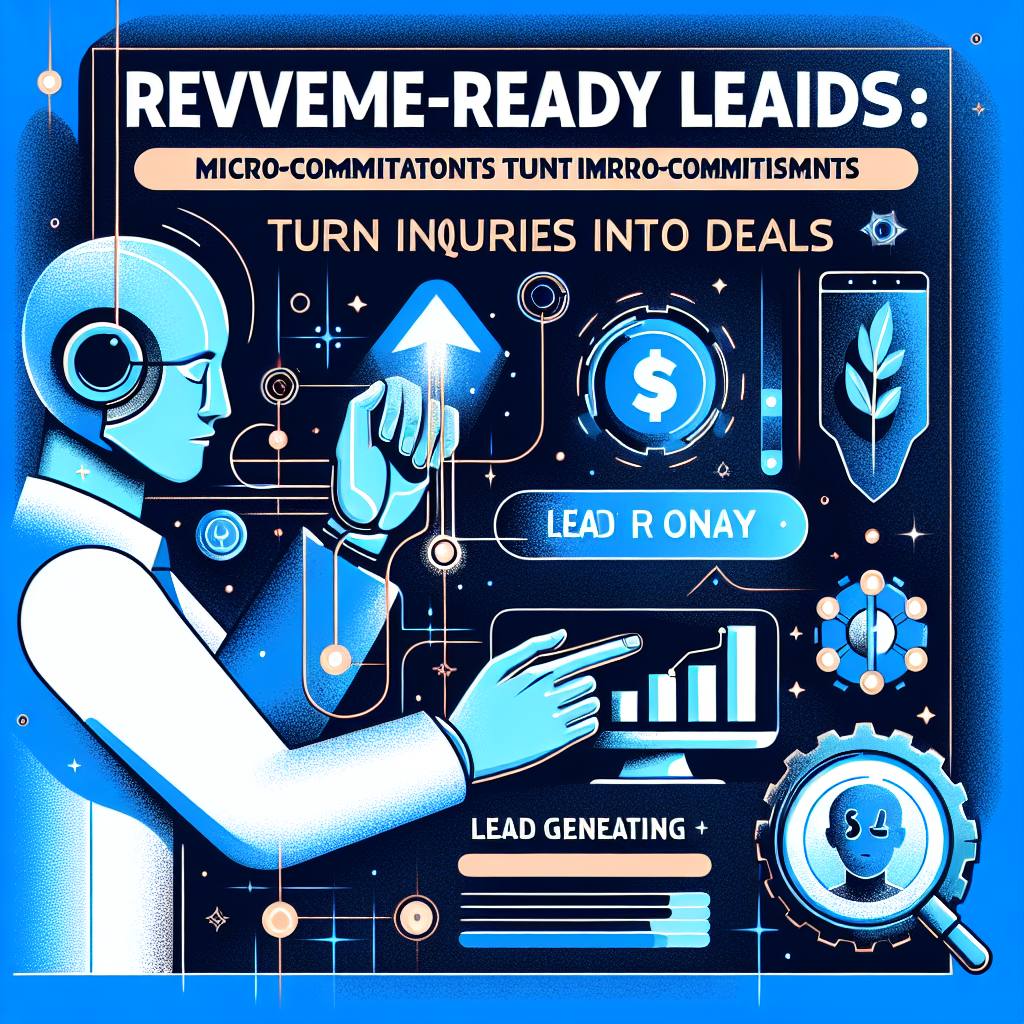
Many leads do not need “convincing.” They need a clear next step. The best conversions happen when the conversation moves forward in small commitments that reduce uncertainty.
Each small yes increases the probability of the final yes. This is especially effective in messaging because it mirrors the way people naturally decide: one step at a time.
The first message after a lead asks “price?” is where most businesses either win or lose. If you only send a number, you invite comparison. If you ask ten questions, you create friction.
This keeps the conversation moving while positioning your offer as a solution, not a commodity.
Not every lead converts on the first touch, even with fast replies. The win often comes from consistent follow-up that is respectful and useful.
Automation helps here because the hardest part of follow-up is not writing the messages, it is remembering to send them. With Staffono.ai, you can automate timed check-ins and re-engagement across channels while still handing over to a human when the lead shows buying signals.
A dental clinic gets messages on Instagram: “Do you have slots this week?” The AI employee replies instantly, asks the outcome and timing (cleaning vs pain, preferred day), and offers two appointment options. If the user hesitates, the system follows up the next morning with a short note and an option to book. The clinic staff receives only confirmed bookings and high-intent cases.
A plumbing business receives web chat inquiries. The system captures address area, issue type, urgency, and photos if available. Emergency cases are routed to an on-call human immediately, while routine requests get a quote window and scheduling options. This reduces back-and-forth and prevents low-fit leads from consuming phone time.
Prospects ask for a deck. Instead of sending a generic PDF, the response asks two questions about goals and timeline, then sends a short, relevant case study and offers two call slots. The deck becomes a support asset, not the main event, and the call booking rate rises because the next step is clear.
To improve capture, qualification, and conversion, track a small set of metrics weekly:
When these numbers are visible, the team stops arguing about “lead quality” and starts improving the system.
A strong lead generation and sales motion is not a single tactic. It is a routine: capture leads in messaging, respond in minutes, qualify with three good questions, convert using micro-commitments, and follow up consistently until the lead chooses yes or no.
If you want that routine to run even when your team is busy or offline, tools matter. Staffono.ai provides AI employees that can respond 24/7 across WhatsApp, Instagram, Telegram, Facebook Messenger, and web chat, collect qualification details, and guide prospects to booking or sales handoff with far less friction. When speed becomes automatic, your humans can focus on the conversations that actually need human judgment, and revenue becomes easier to predict.