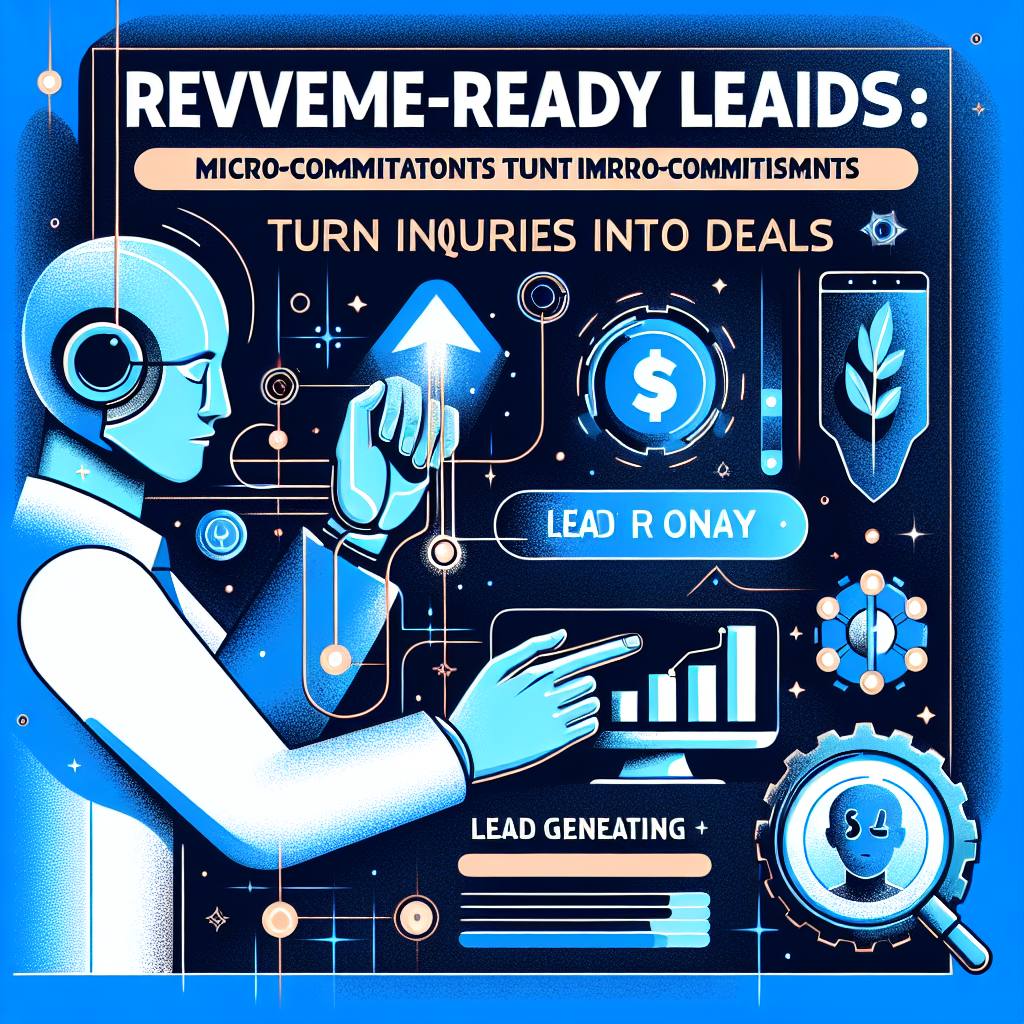

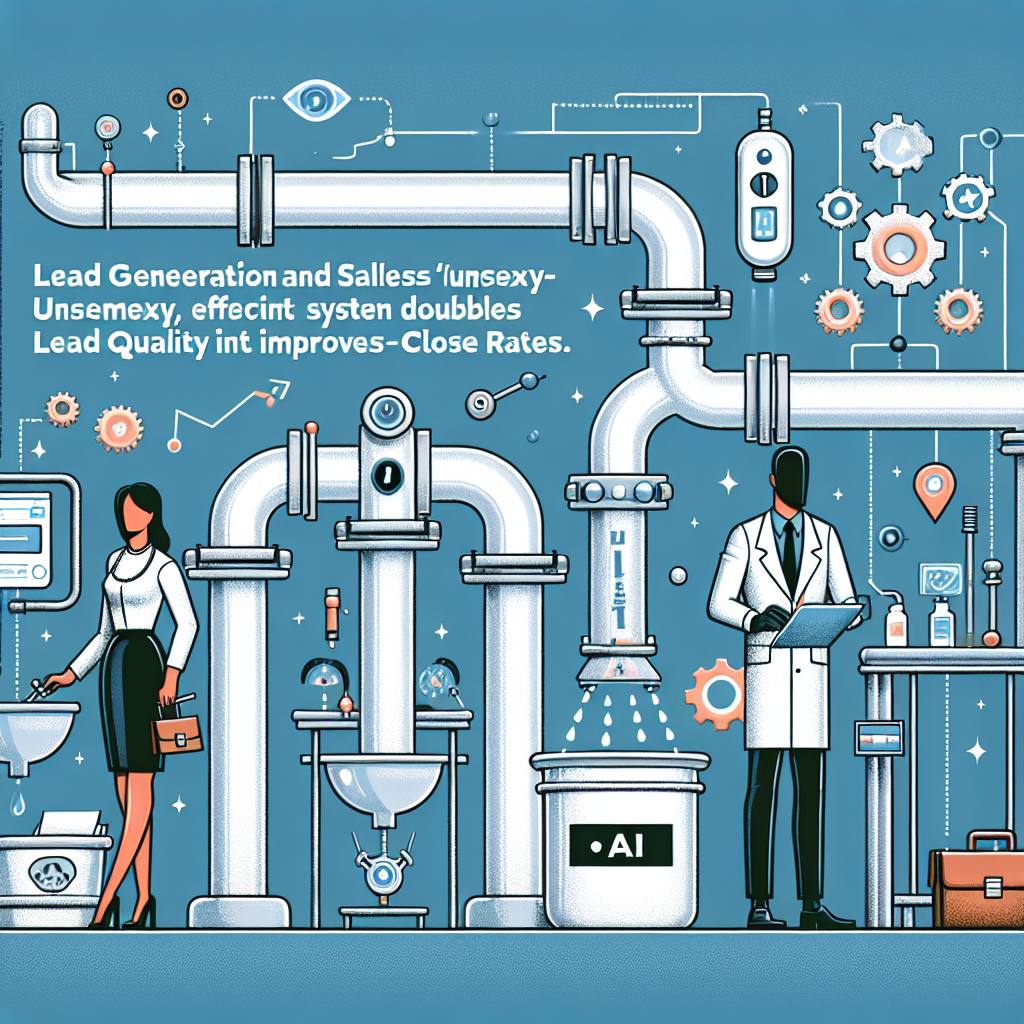
Most lead generation problems are not traffic problems, they are hygiene problems: messy data, slow routing, unclear next steps, and inconsistent follow-up. This guide shows how to capture cleaner leads, qualify them faster, and convert them with a simple, repeatable operating routine that works across messaging, web, and ads.
Lead generation and sales often get framed as a top-of-funnel challenge: more clicks, more forms, more DMs. But in many businesses, revenue stalls for a different reason. The pipeline is dirty. Leads arrive without context, duplicates pile up, sales conversations start late, and follow-ups happen inconsistently. The result is predictable: your team works hard, your CRM looks busy, and your revenue does not move.
Pipeline hygiene is the discipline of keeping lead data clean, routing fast, qualification consistent, and next steps unmistakable. It is not glamorous, but it is one of the highest leverage ways to increase conversion rates without increasing ad spend. Below is a practical system to capture, qualify, and convert leads into revenue, with examples you can apply whether you sell services, e-commerce, SaaS, or local appointments.
If your close rate is low, it is tempting to buy more traffic. But traffic magnifies whatever is already broken. If 30% of leads never get a reply in time, doubling lead volume doubles the number of missed opportunities. If your team cannot tell who is a good fit, then every new lead adds noise and time cost.
Healthy pipelines share four traits:
Capturing leads is not about collecting maximum fields. It is about collecting the minimum information required to move the deal forward with confidence. The goal is “usable on arrival.”
Long forms increase abandonment and invite fake data. Progressive capture collects details in stages:
Example for a B2B service: first ask “What are you trying to improve?” with options like “more appointments,” “reduce support workload,” “increase online sales.” Then ask a single sizing question, such as monthly lead volume or number of locations.
Many CRMs become unreliable because sources are inconsistent: “FB,” “Facebook,” “Meta,” “Instagram DM,” and “IG.” Create a controlled vocabulary and enforce it at the intake layer. If leads come from messaging, include a tag for channel and campaign, for example “whatsapp-organic” or “instagram-ads-jan.”
This is where automation helps immediately. Staffono.ai (https://staffono.ai) can capture inbound leads across WhatsApp, Instagram, Telegram, Facebook Messenger, and web chat, and apply consistent tags and fields automatically. Instead of relying on humans to remember labeling rules, the system enforces them.
Duplicates cause double outreach, confused customers, and distorted reporting. The fastest fix is to define a primary identifier and dedupe rule:
Also consider “household” or “company” matching for B2B: two contacts from the same domain may represent one buying committee.
Qualification fails when it depends on mood, experience, or how busy the team is. You want a simple decision tree that any rep, or any automated assistant, can follow. The goal is not to interrogate. It is to decide the next best action.
Practical example (home services):
Ask questions that feel like help, not screening. Use “either-or” options and ranges:
This approach reduces friction, improves data quality, and makes it easier to route leads correctly.
Messaging leads expect speed. If your first response arrives hours later, you are often competing with three other providers. Staffono.ai can act as a 24/7 AI employee that responds instantly on the same channel the lead used, asks the right qualifying questions, and collects structured details for your team. The human rep can then step in with context, rather than starting from zero.
Fast response matters, but the wrong response can be worse than a slower correct one. Routing means matching the lead to the best next handler: a specific rep, a specific playbook, or a self-serve booking path.
Example (software agency): enterprise leads route to discovery call scheduling with a calendar link; small budget leads route to a productized package page and an FAQ flow; ambiguous leads route to a short clarification sequence.
Set internal rules that remove ambiguity:
Even if you cannot hit these numbers at first, measuring them is what changes behavior.
Conversion is usually lost in the middle: the lead is interested, but the next step feels vague, risky, or time-consuming. Your job is to reduce uncertainty and make commitment easy.
Instead of jumping from “Hello” to “Buy,” use steps that feel safe:
Example (B2B consulting): after qualification, propose two call times and share a 3-bullet agenda. This makes the call feel purposeful, not like a generic sales pitch.
Objections repeat. Your responses should be reusable assets:
Store these assets in a shared library and link them from conversations. Staffono.ai can deliver the right asset automatically based on the objection type and keep the conversation moving without the customer waiting for a human to find the document.
Many deals die because the final step is fuzzy. Close with a short recap and a direct confirmation question:
This structure reduces back-and-forth and prevents misunderstandings.
A clean pipeline does not throw away leads that are not ready today. It labels them, nurtures them, and reactivates them at the right moment.
Messaging channels are powerful for reactivation when done respectfully. A helpful check-in tied to availability or a new offer often outperforms generic “Just following up” messages.
You do not need a complex overhaul. Start with a weekly 45-minute routine:
Over 30 days, this small routine compounds into better data, faster handling, and higher close rates.
Pipeline hygiene is a system, not a motivational speech. If your team is stretched, automation is the difference between “we should” and “it happens.” Staffono.ai (https://staffono.ai) helps businesses keep pipelines clean by responding 24/7, capturing structured lead data across messaging channels, qualifying with consistent logic, and routing leads to the right next step, whether that is booking, a sales rep handoff, or a follow-up sequence.
If you want more revenue without simply buying more leads, start by cleaning what you already have. When your capture is structured, your qualification is consistent, and your routing is fast, conversion stops being a mystery and starts being a measurable outcome. Explore how Staffono can fit into your lead capture and sales workflow at https://staffono.ai and turn every incoming message into a trackable opportunity.