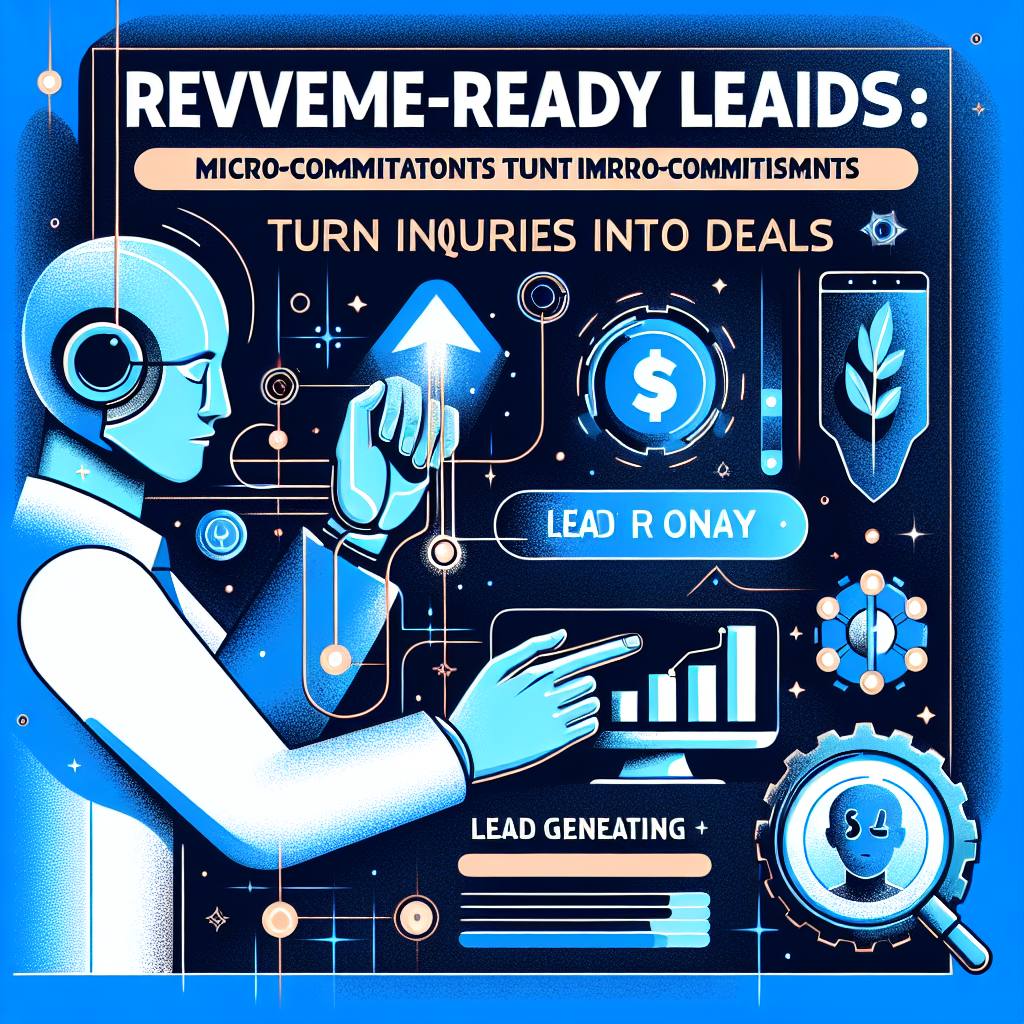


Most teams do not have a lead shortage, they have a prioritization problem. This guide shows how to capture inquiries across channels, qualify them fast, and convert the right prospects with a repeatable triage workflow that protects speed and margin.
Lead generation and sales often get treated like two separate departments, one fills the funnel and the other closes it. In practice, revenue is created in the handoff moments: the first reply, the first qualifying question, the first scheduled meeting, and the first tailored offer. If those moments are slow or inconsistent, you can spend more on ads and still miss targets.
A better approach is lead triage: a simple system that sorts every inquiry into a prioritized sales queue and routes each person to the next best step. Triage does not replace relationship building. It protects your team’s time, improves response speed, and ensures high-intent leads get attention first.
When conversion drops, teams usually react by increasing volume: more campaigns, more forms, more outreach. But volume amplifies existing weaknesses. If your response time is slow, your data is messy, or your qualification is inconsistent, additional leads just increase the pile of missed opportunities.
A triage mindset starts with three questions:
When these are true, you can scale acquisition confidently because operations can keep up.
Modern buyers rarely start on your website form. They message from WhatsApp, Instagram, Facebook Messenger, Telegram, or a website chat bubble. If your capture strategy only works on one channel, you are losing leads silently.
The goal is not to push everyone into a form. The goal is to make it easy to start a conversation and collect the minimum information needed to triage.
This is where an AI employee can make a measurable difference. Staffono.ai (https://staffono.ai) connects across messaging channels and can greet leads instantly 24/7, collect key details, and keep the conversation moving even when your team is offline.
Imagine a dental clinic running Instagram ads. Instead of sending everyone to a landing page, the ad opens Instagram DM. The first message asks: “What are you looking for: whitening, Invisalign, or checkup?” Based on the choice, the next question asks preferred days and whether they have insurance. In under a minute, you have enough data to route the lead: urgent pain goes to an immediate call, cosmetic consult goes to booking, and low-intent questions get an FAQ and a follow-up reminder.
Qualification fails for two reasons: it is too aggressive (prospects feel screened out) or too vague (sales teams get meetings that never close). The triage solution is lightweight qualification that focuses on intent signals and deal suitability.
Layer one is intent. Layer two is fit.
Instead of asking “What is your budget?” immediately, try a range-based framing: “Most clients choose plans between $X and $Y. Where do you want to land?” This feels consultative and still produces a usable signal.
Overly complex lead statuses cause confusion. A triage system can work with just three outcomes:
Staffono.ai can automate this logic in your conversations, asking qualifying questions, tagging leads by priority, and passing high-intent prospects to your team with context. That context is critical: sales should see what the lead wants, what they answered, and what they need next.
A B2B SaaS company receives leads from a web chat and LinkedIn messages. The first question is goal-based: “What are you trying to improve: lead response time, appointment booking, or customer support?” Then the system asks company size and primary channel. If the lead is a 50+ person team using WhatsApp and needs response time improvements within 30 days, they are Priority. If they are a solo founder exploring “sometime this year,” they are Nurture. If they require a channel you do not support, they are Redirect with a recommendation and a goodwill note.
Conversion is rarely a single moment. It is a sequence of micro-decisions: reply, share a detail, accept a time, show up, approve a proposal, and pay. Your job is to reduce the number of steps that require manual effort while increasing the number of steps that feel personal.
If you respond in five minutes, you are competing against the buyer’s attention. If you respond in five hours, you are competing against another vendor’s meeting that is already booked.
Set a service-level goal for first response and next response. For many industries:
With Staffono.ai, instant first response is achievable because AI employees can handle initial conversations, answer common questions, and collect booking-ready details at any hour.
Once a lead is qualified, give them the fastest path to “yes.” Build a small library of assets that can be sent in-chat:
These should be easy to send and easy to understand on a phone screen.
A lead messages: “How much for kitchen renovation?” A triage flow asks for location, approximate kitchen size, and timeframe. If timeframe is under 60 days, the system offers two options: “Would you like a 10-minute estimate call today or an on-site visit this week?” It then shares a short gallery and a price range. The lead picks a time, receives an automatic calendar invite, and gets a reminder message the day before. Your human salesperson enters the call with context, not guesses.
You do not need a complicated stack. You need a consistent flow of data and clear ownership.
For most businesses, this is enough to qualify:
Collect the minimum first. Anything else can happen after booking.
A lead should never be “lost” between platforms. Your triage system should:
Staffono.ai is designed for this kind of business automation: AI employees can manage conversations across WhatsApp, Instagram, Telegram, Facebook Messenger, and web chat, then route outcomes to your team so follow-up becomes reliable rather than heroic.
List every place leads can contact you. Identify where response time is weakest.
Create 6 to 10 short questions and answers. Keep them conversational and mobile-friendly.
Decide what makes a lead Priority, Nurture, or Redirect and who owns each.
Prepare one case study, one offer summary, and one pricing explanation that can be sent in chat.
Launch, monitor, and adjust. Track first response time, booking rate, show-up rate, and close rate.
The most effective lead generation strategy is the one your team can actually handle. Lead triage makes growth operational: you capture inquiries across channels, qualify them quickly, and convert them with speed and relevance.
If you want to implement this without hiring a night shift or stretching your sales team thin, Staffono.ai (https://staffono.ai) can act as a 24/7 AI employee across WhatsApp, Instagram, Telegram, Facebook Messenger, and web chat. It can capture leads, ask qualifying questions, route high-intent prospects to the right person, and keep follow-up consistent so more conversations turn into revenue.