
Lead generation does not fail because you need more traffic. It fails because most teams lack a consistent system for capturing intent, qualifying it quickly, and guiding buyers to a decision. This article breaks down practical tactics you can apply today, with examples and automation ideas that turn conversations into revenue.
Most lead generation advice focuses on volume: more ads, more posts, more landing pages. But revenue usually breaks for a different reason: the handoff from interest to a real sales opportunity is messy. People inquire in different channels, ask half a question, disappear, come back days later, and expect you to remember the context. If your team cannot respond fast, qualify consistently, and move the buyer forward, you will leak revenue no matter how many leads you collect.
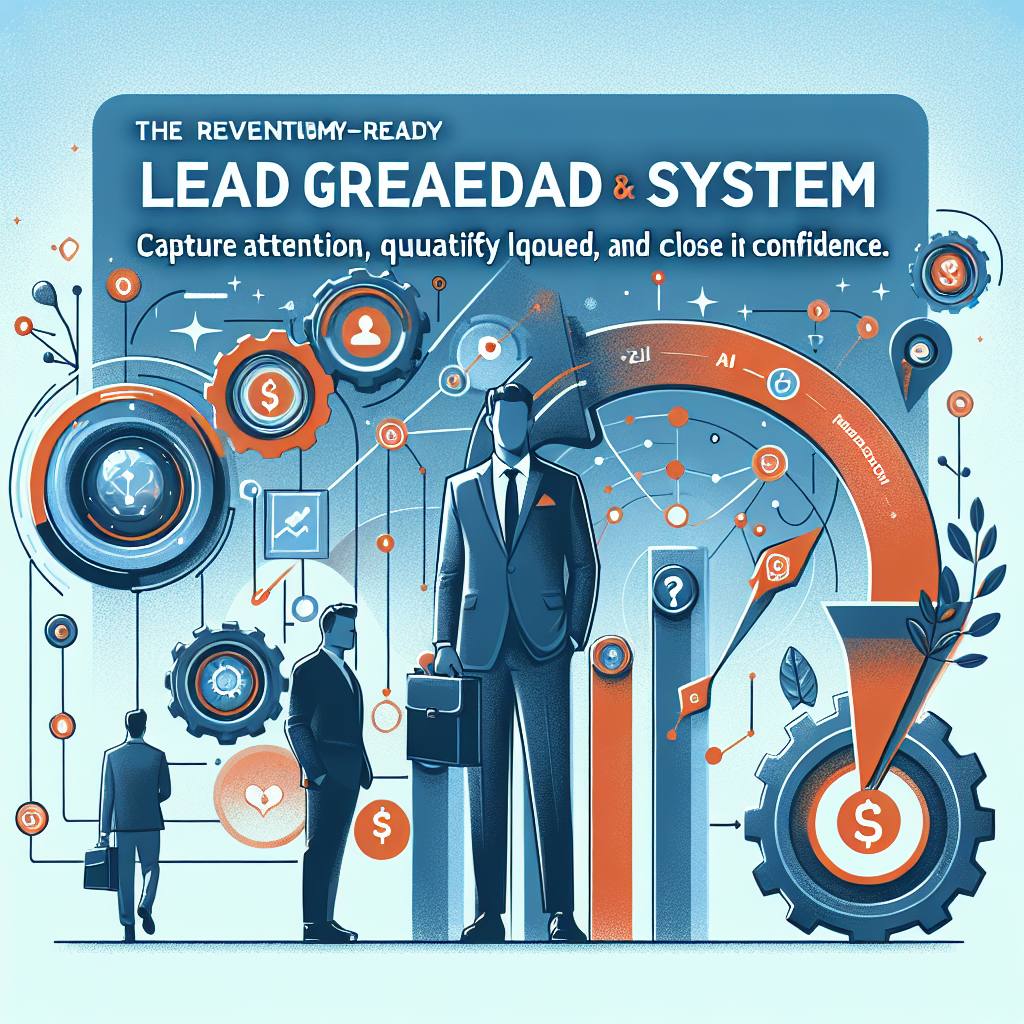
This is where a revenue-ready lead system matters. It is not a single tactic, it is a set of repeatable behaviors: capture the right data at the moment of intent, qualify without friction, and convert with a process that respects how buyers actually decide. Below are practical tactics, examples, and automation patterns you can implement with tools like Staffono.ai (https://staffono.ai), which provides 24/7 AI employees that handle customer communication, bookings, and sales across WhatsApp, Instagram, Telegram, Facebook Messenger, and web chat.
Qualification is not universal. A qualified lead for a B2B agency is different from a qualified lead for a clinic, a real estate firm, or an e-commerce brand. Before you optimize anything, define qualification in a way your team can actually execute.
A practical definition usually includes:
Write this in plain language and keep it visible. When you later automate qualification with Staffono.ai, these become the exact questions your AI employee asks in a friendly, conversational way.
Capturing leads is not only about forms. In messaging-first markets, capture means turning a question into a structured conversation. Your goal is to make it effortless for the buyer to raise their hand, and effortless for you to identify what they want.
Long forms often lower conversion on mobile. Try a two-step approach:
Example: a fitness studio runs Instagram ads that open a chat. The first message asks which goal they have (fat loss, strength, rehab). Only after the choice does it ask for availability and phone number. The studio collects fewer “random” leads and more people who are ready to book.
Content is often treated as awareness only. Instead, build triggers that convert engagement into conversations:
With Staffono.ai, these triggers can route directly into an AI-led conversation that welcomes the lead, asks the first qualifying question, and captures the essentials even when your team is offline.
Fast replies are not just customer service, they are acquisition. Many leads contact multiple providers and buy from the one who responds with clarity first. If your team is not consistently fast, you are paying for traffic that converts elsewhere.
A 24/7 responder matters most when leads arrive at night, on weekends, or during busy hours. Staffono.ai acts like an always-on front desk across messaging channels, ensuring every inquiry gets an immediate, relevant reply that keeps the buyer engaged long enough to qualify them.
Qualification fails when it feels like a checklist. Great qualification feels like guidance. The buyer should feel you are helping them make a good decision, not screening them out.
People answer faster when they can tap an option. Convert your top qualifying questions into choices:
Then follow up with one open-ended question that captures nuance. This method increases completion rates and keeps the conversation moving.
You do not need all information in the first interaction. Collect the minimum needed to route the lead correctly, then gather deeper details later. For example:
Staffono.ai can persist context across conversations so when the buyer returns days later, the AI employee can reference what they previously asked, confirm any changes, and propose the next step without forcing them to repeat themselves.
Some of the strongest signals are behavioral:
When your messaging flow logs these signals, you can prioritize follow-up intelligently. An AI employee can tag conversations by intent level and route hot leads to a human closer.
Most leads do not say “no,” they say nothing. Conversion is about reducing uncertainty and friction so the next step feels safe and simple.
Too many choices create delay. Choose a default next step based on the lead type:
If you provide options, keep it to two: “Book a call” or “Get a quote by chat.”
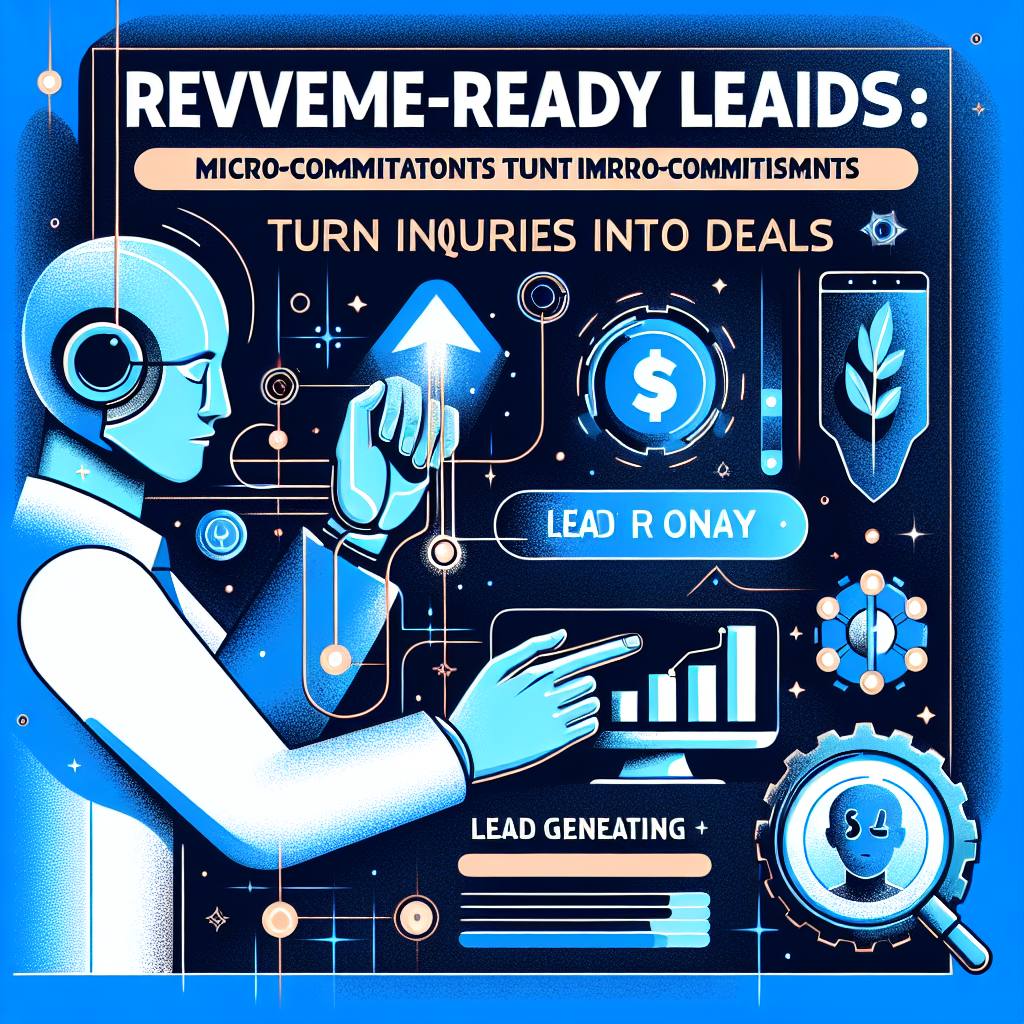
When a lead is not ready for a call, do not push. Use micro-commitments:
Each micro-commitment increases engagement and makes the final conversion feel like the natural next step.
No-shows are a hidden revenue leak. Automation can reduce them with:
Staffono.ai can handle booking flows directly in messaging channels, confirm details, and answer common questions that typically cause last-minute cancellations.
Goal: convert “How much does it cost?” into booked inspections.
AI automation helps because most emergencies happen outside office hours. Staffono.ai can collect the essentials instantly and book the job, then notify your on-call team.
Goal: filter out low-fit leads without sounding dismissive.
This protects sales time while keeping goodwill. Staffono.ai can run the first conversation, tag fit level, and route only the best opportunities to your sales team.
Track metrics that connect directly to money:
When you instrument these, you can improve one bottleneck at a time instead of guessing. Many teams discover that fixing response speed and scheduling alone lifts revenue without increasing ad spend.
The best lead systems are consistent. They do not depend on one salesperson’s memory or one admin’s availability. They respond quickly, qualify politely, and guide the buyer to a next step that makes sense.
If you want to implement this without adding headcount, Staffono.ai (https://staffono.ai) can act as your always-on AI employee across WhatsApp, Instagram, Telegram, Facebook Messenger, and web chat, handling first responses, asking qualifying questions, and booking meetings or appointments. When your team starts the day, they see organized conversations, clear intent, and leads that are already warmed up.
Revenue growth often looks like a marketing problem, but it is frequently a systems problem. Build a lead flow that captures intent when it happens, qualifies without friction, and converts with a clear next step. If you want help making that flow real in your messaging channels, Staffono makes it practical to launch, test, and scale an automated lead-to-sales process that runs 24/7.