
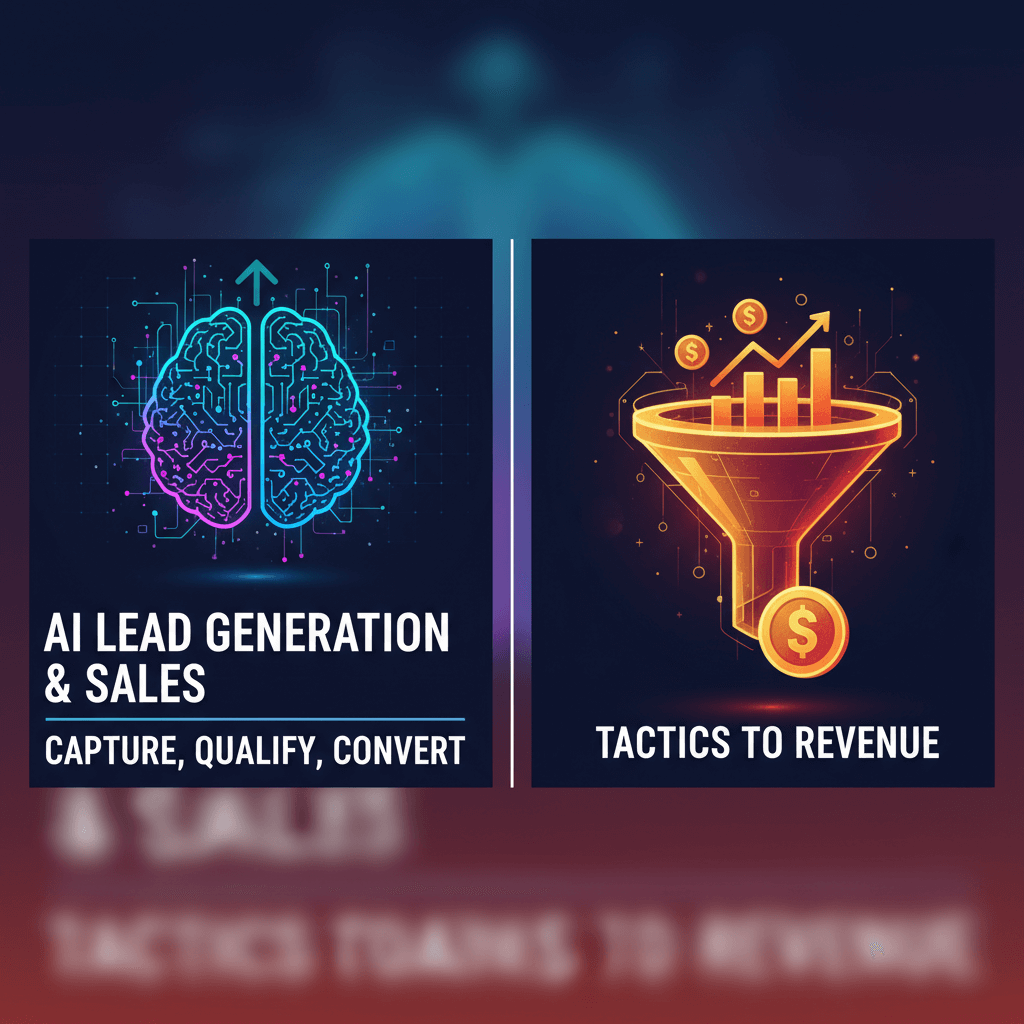
Most lead generation problems are not about traffic, they are about friction: tiny delays, unclear steps, and missed moments that make prospects drop off. This guide shows how to spot friction across capture, qualification, and conversion, then remove it with practical plays and messaging-first automation.
Many teams treat lead generation and sales like two separate machines: marketing “creates” leads, sales “closes” them. In reality, revenue is a single path with dozens of micro-moments where prospects either move forward or silently disappear. Those drop-offs are rarely dramatic. They happen because of friction: a form that asks too much, a slow reply, a confusing next step, or a qualification process that feels like an interrogation.
A friction audit is a practical way to increase revenue without reinventing your funnel. Instead of chasing more clicks, you identify where intent is already present and remove the obstacles that prevent that intent from turning into meetings, quotes, and payments. Below is a step-by-step approach to capture, qualify, and convert leads with less friction, including examples and tactics you can implement quickly.
Friction is anything that adds effort, uncertainty, or time to a buyer’s next step. In modern buyer behavior, especially in messaging channels, people expect fast clarity. If they do not get it, they move on or postpone.
Common friction points include:
The goal is not to remove all questions or all steps. The goal is to reduce unnecessary effort and make the path feel obvious.
Capture is not just collecting a name and phone number. Capture is successfully turning interest into a live conversation and a permissioned follow-up. If your business gets inquiries on WhatsApp, Instagram, Facebook Messenger, Telegram, and web chat, every channel needs a fast path to the same outcomes.
If someone clicks an ad and lands on a page, the typical instinct is to ask for everything at once. In many categories, you can capture more leads by starting with one question that feels helpful.
Once they answer, you have engagement. Then you earn the next detail.
Not everyone wants the same thing. Some want to ask a question, others want a price. Provide two clear options in your first message and on your site.
This reduces friction because prospects self-select their intent level.
A local clinic receives “How much is it?” DMs all day. A high-friction response is, “Please call the front desk.” A low-friction flow is:
Tools like Staffono.ai (https://staffono.ai) can automate these first-turn conversations across channels, capturing intent, collecting the right details, and keeping the tone consistent even when your team is offline.
Qualification is where many teams unintentionally create friction. They either ask too much too early, or they ask too little and waste time on low-fit leads. The best qualification feels like good service.
Instead of rigid scripts, use a lighter framework that respects the buyer’s context.
These questions work in messaging because they sound natural, not like a checklist.
A simple line reduces drop-off: “To recommend the right option, can I ask two quick questions?” People are more willing to answer when they know the scope and purpose.
Do not collect everything at once. Collect what you need to route the lead, then gather more if the lead stays engaged.
Staffono.ai can support progressive profiling by keeping track of what has already been asked, so prospects do not repeat themselves when the conversation moves from automation to a human rep.
You can score leads with simple signals that matter:
Even if you use a CRM, the scoring logic should be understandable by the whole team. If it is too complex, it will not be used consistently.
Conversion is not just persuasion, it is the removal of uncertainty. Most prospects who “go dark” are not rejecting you, they are postponing a decision because the next step feels unclear or risky.
Messaging threads often end with “Let me know.” That is a conversion killer. Replace it with a clear choice:
Choices reduce cognitive load and increase replies.
Before asking for the meeting, deposit, or payment, summarize what you understood:
This reduces misalignment and makes the buyer feel heard.
If the lead is in Telegram, do not force them to hunt through a website. Share:
Keep it lightweight. The goal is to reduce doubt, not overwhelm with PDFs.
When possible, offer a low-friction starting point:
Many conversions happen when the buyer can start small and expand later.
Most revenue is created after the first conversation. The friction is usually inconsistency: some leads get followed up, others are forgotten, and timing is random. A simple follow-up system fixes this.
Example: “If speed matters, most teams start with automating inbound replies first, then add booking and lead routing. Are you mainly getting leads from WhatsApp or Instagram? I can suggest the fastest setup path.”
Automation helps here, but only if the messages sound human and reflect the conversation context.
Friction often appears outside office hours, during peak demand, or when your best reps are busy. This is where 24/7 AI employees can create a measurable lift: faster first response, consistent qualification, and clean handoffs.
Staffono.ai (https://staffono.ai) is built for messaging-first businesses that want to capture and convert leads across WhatsApp, Instagram, Telegram, Facebook Messenger, and web chat. Instead of letting inquiries sit unanswered, Staffono can engage immediately, ask buyer-friendly qualification questions, share pricing and availability rules you define, and route high-intent conversations to your team. It also helps standardize follow-up so your pipeline does not depend on who had time that day.
Small fixes compound. When you remove friction at multiple points, you often see more leads captured, higher show-up rates, and shorter sales cycles without increasing ad spend.
Lead generation and sales performance rarely improves because of one big hack. It improves because the buying path becomes smoother: fast replies, clear next steps, respectful qualification, and consistent follow-up. If you want to scale that experience across every conversation, Staffono.ai can act as a 24/7 front line for your business, capturing inquiries, qualifying intent, and guiding prospects toward bookings and payments while your team focuses on the highest-value work. When friction drops, revenue tends to rise.