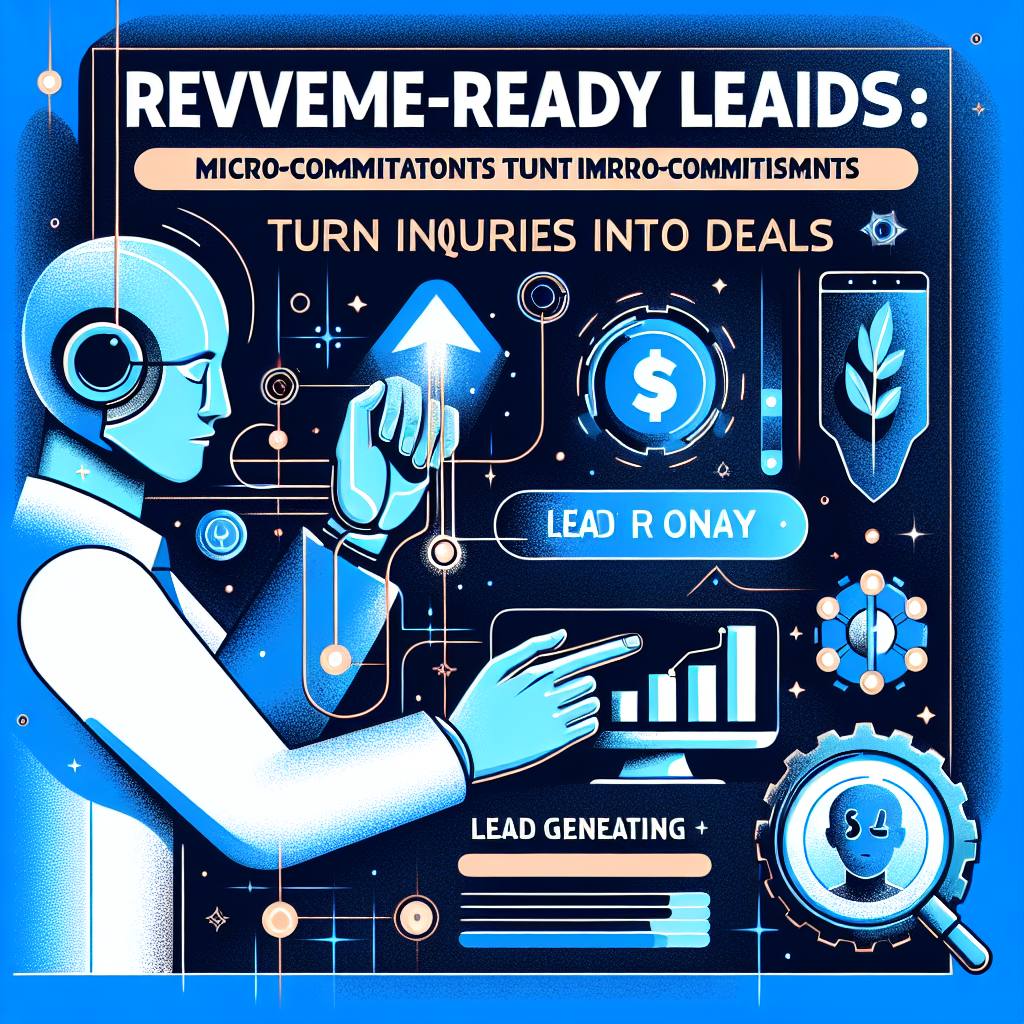


A growing share of revenue is influenced by conversations you cannot easily attribute: DMs, forwarded links, group chats, and quick questions that never become a form fill. This guide shows how to capture, qualify, and convert those “invisible” leads with messaging-first tactics, practical workflows, and automation that keeps every inquiry moving toward a sale.
Many teams still design lead generation around a single event: a form submission. But modern buyers increasingly live in what marketers call the dark funnel, the space where intent is real but attribution is weak. Prospects ask for pricing in Instagram DMs, screenshot your offer to a colleague, forward a WhatsApp message to the decision maker, or reply to a story with a short question. If your process depends on forms, you will miss the moment, and the deal quietly goes elsewhere.
The goal is not to force every buyer into a rigid funnel. The goal is to build a system that captures intent wherever it appears, qualifies it fast, and converts it through a consistent next step. In practice, that means treating every message as a lead record, using a small set of qualifying signals, and designing follow-ups that feel helpful instead of pushy.
Dark funnel does not mean low intent. It often means the opposite: the buyer is close to action and wants quick clarity. Common patterns include:
These are not marketing leads in the traditional sense, they are sales conversations in miniature. Your job is to turn that mini conversation into a structured opportunity without making the buyer do extra work.
If your ads, posts, and profiles push people to “fill out the form,” you are asking for friction. Instead, design for the channel the buyer is already using. Include DM prompts in social content, a click-to-WhatsApp button on your site, and a web chat that is actually staffed (or automated) outside business hours. When the first touch is easy, volume and intent both increase.
This is where an AI-powered messaging layer becomes a growth asset. Staffono.ai (https://staffono.ai) lets businesses handle inbound leads across WhatsApp, Instagram, Telegram, Facebook Messenger, and web chat with 24/7 AI employees, so the “entry point” is never closed, even when your team is offline.
Instead of asking for a full set of details upfront, offer a single micro-question that matches your product. Examples:
These questions create momentum and give you the first qualifying signal without feeling like a form.
In messaging, the fastest way to lose a lead is to ask for email before answering the first question. Flip the order: respond with a clear, helpful answer, then ask for one detail that unlocks the next step. For example, “I can confirm availability. What city are you in?” or “I can share the exact price. Which package are you considering?” This keeps the conversation natural and improves completion rates.
Chat qualification should be lightweight. You are not running a 30-minute discovery call inside a DM. You are identifying whether to: book, quote, escalate to a human, or politely disqualify. A simple 5-signal method works across industries:
You do not need all five signals to move forward. You need enough to choose the right next step. For example, a local clinic might prioritize fit (location) and urgency (appointment time). A B2B SaaS team might prioritize need (use case) and authority path (who signs).
Good qualifying questions do not feel like interrogation. They feel like guidance. Compare:
Staffono.ai can run these qualification flows consistently in every channel, collecting the key signals and packaging them for your team so humans step in only when the conversation is sales-ready or complex.
Most leads stall because the next step is ambiguous. In messaging, ambiguity kills momentum. Choose one next step based on the signals you have:
Limit options to two choices when possible. Two choices create progress. Ten choices create procrastination.
In dark funnel channels, the buyer often wants to stay lightweight. A commitment ladder helps them take small steps that still move toward revenue:
This is especially effective for high-consideration offers like consulting, clinics, education, or premium ecommerce. Each step is easy, but the sequence is powerful.
When buyers hesitate in chat, they rarely want a long pitch. They want reassurance and a simple path forward. Use a two-part pattern:
Example: “Totally fair question. Most clients choose this package because it includes X and Y, and it is covered by our 14-day adjustment policy. If you tell me your goal, I will recommend the best option and share the exact total.”
In the dark funnel, follow-up is essential because people get distracted, switch apps, or need internal approval. The key is to follow up with context and value, not “just checking in.” A simple structure works well:
Set a follow-up cadence that matches your sales cycle. For fast purchases, follow up in 1-2 hours, then next day. For B2B, follow up next day, then 3-4 days later with a useful asset or a short answer to common concerns.
Staffono.ai is particularly useful here because it can automate polite follow-ups across channels, keep the conversation thread intact, and route hot replies to your team instantly so momentum is not lost.
Consider a fitness studio running Instagram promotions. The studio receives 40 DMs per week like “How much?” and “Do you have evening classes?” The owner replies manually, often hours later, and many prospects disappear. A better workflow looks like this:
With Staffono.ai acting as a 24/7 front desk, the studio can capture leads after hours, qualify them in a consistent way, and convert more inquiries into confirmed bookings without adding staff.
Dark funnel leads make traditional attribution messy, so focus on operational metrics that correlate with revenue:
When you measure these, you can improve scripts, reduce friction, and increase conversions even if the original source is unclear.
To capture, qualify, and convert dark funnel leads, you need three things: immediate engagement, lightweight qualification, and a single clear next step. The companies that win do not necessarily have the best ads. They have the best conversation system.
If your team is drowning in DMs, missing after-hours inquiries, or struggling to keep follow-ups consistent across WhatsApp, Instagram, and web chat, it is worth exploring how Staffono.ai (https://staffono.ai) can act as an always-on AI employee for lead intake and sales conversations. You keep control of the offers, policies, and tone, while the system keeps every inquiry moving toward a booking, a quote, or a handoff to your sales team.
The dark funnel is not a black box. It is a conversation layer. Build the layer well, and revenue becomes easier to predict.