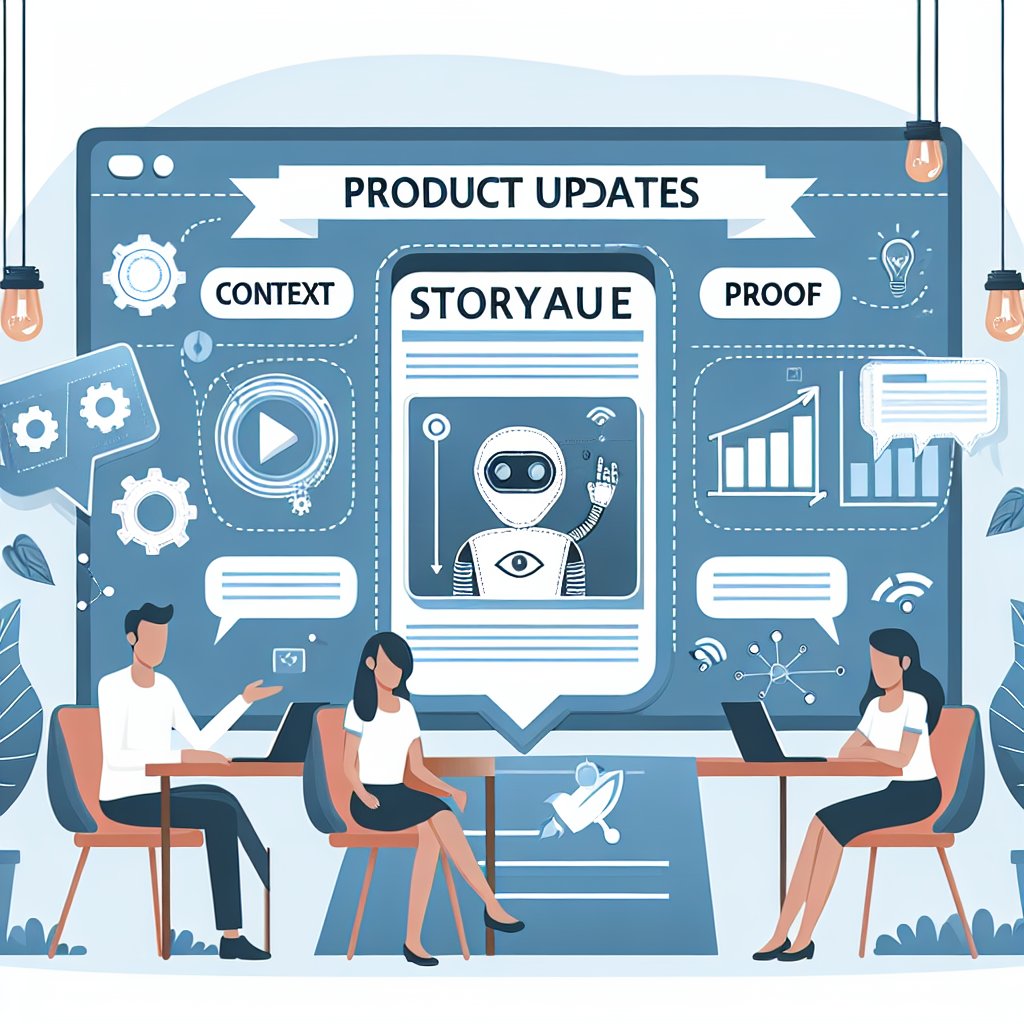

Most product update posts fail because they describe what shipped, but not what the business must do next. This guide shows how to turn announcements, improvements, and new features into a release readiness system that prevents confusion, reduces tickets, and accelerates adoption.
Product updates are rarely “just communication.” They are operational events that ripple through sales scripts, onboarding flows, support macros, documentation, and customer expectations. When an announcement is written like a highlight reel, teams spend the next two weeks patching confusion: customers ask if anything broke, support scrambles for answers, and sales avoids the new feature because they cannot explain it confidently.
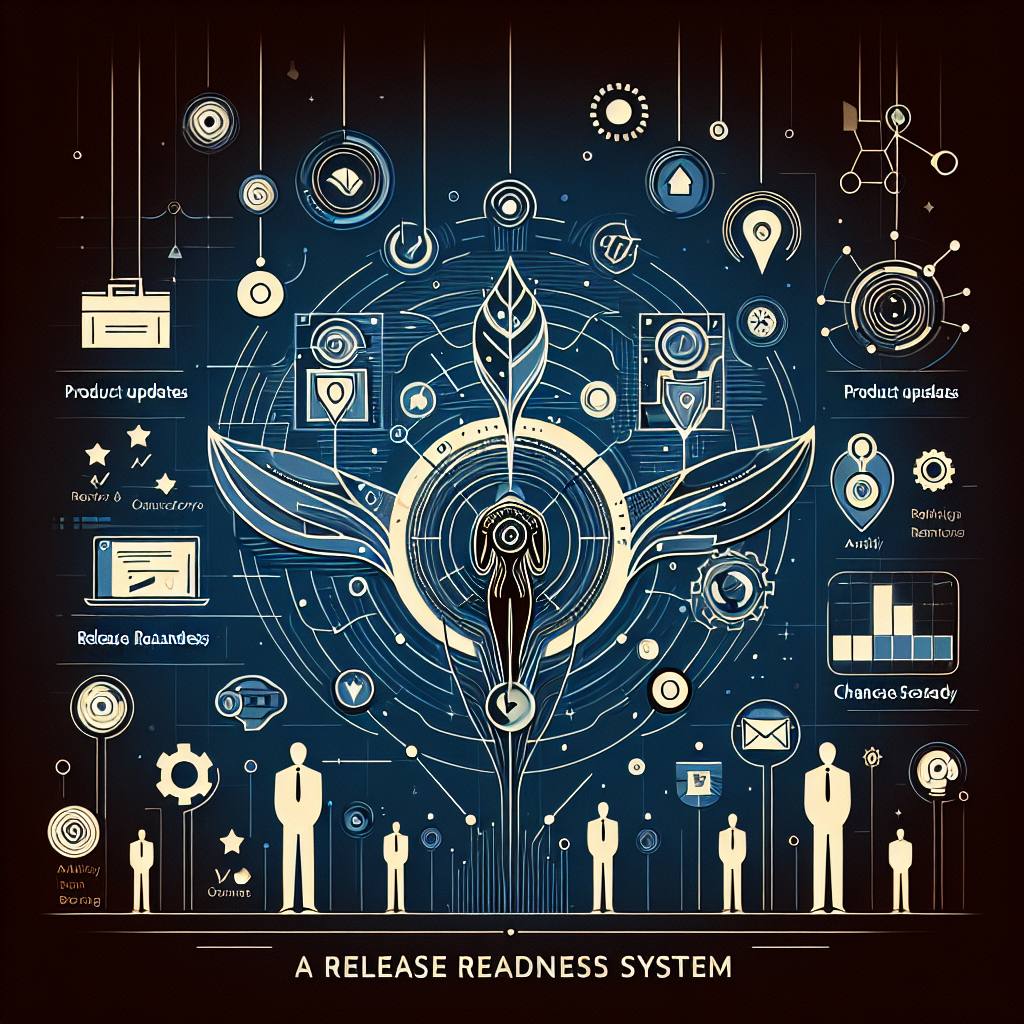
A better approach is to treat each update as a release readiness system. That means your announcement is not only a story about what changed, it is a package of decisions and assets that make the change safe to adopt. In this article, you will learn a practical way to structure announcements, improvements, and new features so internal teams can defend them, customers understand them, and adoption happens without chaos.
Customers do not experience updates as bullet points. They experience them as outcomes: faster checkout, fewer steps, clearer pricing, fewer errors, or a new workflow. If your post only lists changes, readers must translate them into impact on their own. Most will not. They will either ignore the post or open a ticket.
Internally, the same issue appears in a different form. Support needs crisp “what do I say when…” answers. Sales needs positioning and boundaries. Success teams need an adoption plan. Product needs a feedback channel that differentiates “confusing announcement” from “bad feature.” A release readiness system connects these needs to the announcement itself.
Use the following elements as your default template. You can still keep it readable and brand-friendly, but do not ship an update announcement without these building blocks somewhere in your ecosystem (post, help center, in-app, or internal wiki).
Open with a one-sentence promise that explains the user-facing win. Avoid internal language like “refactored” or “improved architecture.”
This prevents panic. If only a subset of users is impacted, say so. If it is behind a toggle, say so. If it is rolling out gradually, say so.
Any time a workflow changes, readers need a mental map. Describe what the user will do differently, not only what the product now contains.
If customers have existing setups, integrations, templates, or saved links, tell them what remains compatible and what needs attention. Even if nothing changes, state it plainly.
Write the top five questions support will receive and answer them in plain language. This section should be copy-pasteable into replies. If you run multi-channel messaging, make sure these answers work in short form too.
This is where Staffono.ai can help teams move faster. Because Staffono.ai provides 24/7 AI employees across WhatsApp, Instagram, Telegram, Facebook Messenger, and web chat, you can preload your release FAQ and let your AI assistant handle first-line questions instantly, escalating only edge cases to humans. That turns an update day from a ticket spike into a controlled learning loop.
Define what “worked” means. Pick leading indicators (adoption, usage frequency) and lagging indicators (retention, fewer support contacts). Publish at least one metric publicly if appropriate. Internally, always publish the measurement plan.
Not all updates require the same level of packaging. Use the category to set expectations and reduce overcommunication.
These carry the highest risk because they can trigger fear. For announcements, lead with clarity and timing. Include explicit dates, what customers must do, and what happens if they do nothing.
If you use Staffono.ai for customer communication, you can also automate proactive outreach. For example, message only customers using a soon-to-be-deprecated feature, explain the timeline, and offer a guided path to migrate. Your AI employee can answer “Does this affect me?” instantly by checking intent and routing based on the customer’s messages.
Improvements are easy to undervalue because they are less flashy. Your job is to translate “better” into “measurably easier.” Add a before-and-after description and a proof point.
New features need positioning and an adoption path. Do not dump every capability in one post. Focus on the primary job-to-be-done, then give readers a quick start.
For messaging-driven businesses, a new feature often changes how leads flow. If your company uses Staffono.ai to handle inbound conversations and bookings, a well-written new feature announcement should include: what the AI employee will do differently, what data it will collect, and how humans can review or override actions. That clarity increases trust, especially when automation is involved.
Vague announcement: “We improved lead handling and added new automations.”
Release readiness version:
Notice what happened: the update became a set of decisions that support and sales can defend. It also created a shared scoreboard.
Explaining why is important, but many teams accidentally write a mini-argument that invites disagreement. Use a simple structure:
Example: “Customers told us booking took too long on mobile. The previous flow required selecting staff before seeing times, which added steps. We flipped the order so customers choose a time first, then the system assigns staff automatically. If you prefer manual selection, you can still choose a staff member from the confirmation screen.”
Before you publish, verify that your organization can support the change in every channel customers use.
This checklist is where teams feel the difference between “we shipped” and “we shipped safely.”
For messaging-first businesses, the last two points are critical. Customers will ask questions in WhatsApp or Instagram, not in your help center. Staffono.ai can reduce that gap by delivering consistent, approved answers instantly across channels, while still allowing smooth escalation when a human is needed.
A strong product update is not a loud announcement. It is a readiness package that equips customers and teams to move forward confidently. When you consistently include outcomes, audience scope, behavior changes, compatibility, FAQs, and measurement, you reduce confusion and increase adoption without adding fluff.
If you want to operationalize this approach across real customer conversations, Staffono.ai (https://staffono.ai) can act as your always-on release assistant. Your AI employees can proactively notify impacted users, answer update questions 24/7 across WhatsApp, Instagram, Telegram, Facebook Messenger, and web chat, and route complex cases to the right teammate. That way, your updates do not just ship, they land, get used, and drive measurable growth.