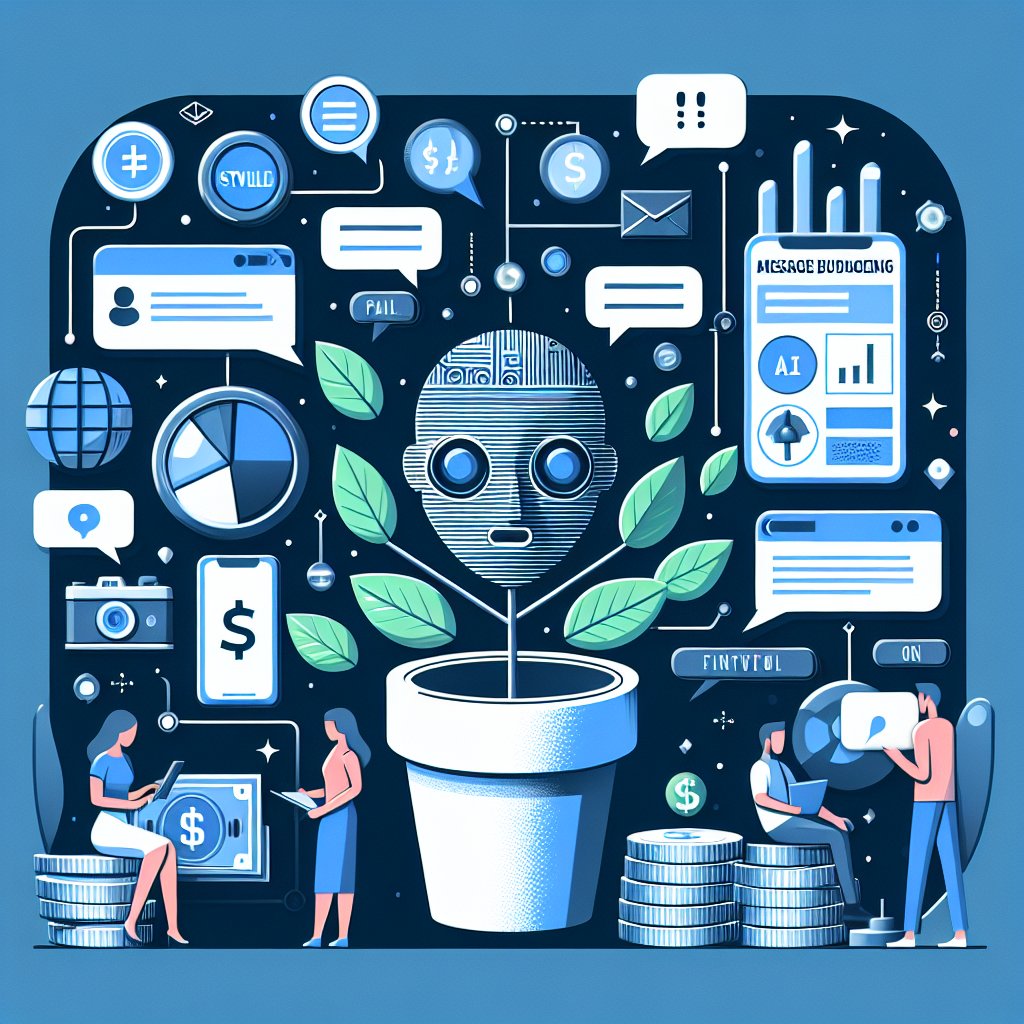


Most messaging problems are not “copy problems”, they are system problems: inconsistent rules, unclear ownership, and messy handoffs across channels. This guide shows how to build a repeatable messaging operating system with strategies, ready-to-use templates, and best practices that keep your replies fast, human, and conversion-focused.
Customer messaging is no longer a single inbox or a single tone. Prospects might DM you on Instagram, ask for pricing on WhatsApp, follow up via web chat, and then expect the same context when they return two days later. When your team answers each channel differently, customers feel friction, deals slow down, and support costs rise.
The fix is not only better writing. It is a messaging operating system: a set of rules for how you reply, how you route, how you qualify, and how you follow up across every channel. In this post, you will get a practical framework, best practices, and templates you can adapt today. You will also see where an automation platform like Staffono.ai can keep conversations moving 24/7 without losing your brand voice.
Think of your messaging OS as the invisible structure behind every reply. It aligns speed, tone, and next steps whether the conversation starts on WhatsApp, Telegram, Facebook Messenger, Instagram, or web chat.
When these are defined, templates become powerful because they are used consistently, not randomly.
Great messaging is not just answering questions. It guides the customer to the next step with minimal effort. Every reply should do at least one of these:
Instead of trying to “sound nice,” focus on “what should happen next.” This is where automated assistants shine. For example, Staffono.ai can ask the one missing question, capture the answer, and move the conversation forward even outside business hours.
Customers interpret speed differently by channel. A 2-hour reply on email might feel fine, but on WhatsApp it can feel like you disappeared. Define standards by channel and by time of day.
If your team cannot meet these consistently, do not lower the standard. Build automation and routing to meet it. Platforms like Staffono.ai are designed to handle the first response, qualification, FAQs, booking, and lead capture across multiple channels so customers never hit a dead end.
Empathy does not mean long apologies. It means you understand the situation and you are taking a clear action. Use a simple structure that works for both support and sales:
This keeps messages short, human, and efficient.
Templates work best as modular blocks. Keep them short, with optional lines you can include when needed.
Template
Hi! Thanks for reaching out. I can help with that. Are you messaging about pricing, booking, or an existing order/support request?
Why it works: It reduces back-and-forth by letting the customer self-route.
Template
Great, I can share options. To recommend the best fit, what are you looking to achieve, and when do you want to start?
Optional
If you share your approximate budget range, I can tailor the best package.
Template
Happy to help. Pricing depends on a couple details. Which service/product are you interested in, and what quantity or scope do you need?
Optional
If it’s easier, tell me your goal and I will suggest the right option.
Template
Perfect. What day works best, and what time window do you prefer? If you share your timezone, I’ll confirm the closest available slot.
Best practice: offer two concrete options after the customer answers.
Template
I can look into that right away. Please send your order number (or the email/phone used at checkout), and tell me what went wrong.
Template
Quick update: your order is delayed due to [reason]. The new expected date is [date]. Would you like to keep the order, switch to an alternative, or get a refund?
Why it works: it gives choices and reduces frustration.
Template
Just checking in, do you still want to move forward with [option] or should I close this out for now?
Optional
If you tell me what’s holding you back, I can help with the next step.
Staffono.ai can support these channel behaviors by using different micro-templates per channel while keeping the same underlying rules, so your brand feels consistent even when the conversation moves between platforms.
A common mistake is pushing for a call too early. Instead, use a progressive qualification flow that earns the next step.
With automation, you can run this flow consistently. For example, Staffono.ai can qualify a lead by asking about needs, capturing details into your CRM, and then booking the right meeting type, while your sales team focuses on high-intent conversations.
When a human takes over, they should see:
This is where AI assistants can be more than “chatbots.” Staffono.ai can maintain context, summarize conversations, and escalate to your team with structured information, so the customer does not need to repeat themselves.
Track metrics that reflect customer experience and revenue outcomes, not vanity counts.
Use these insights to adjust templates, shorten flows, and improve routing.
If automation asks too many questions or repeats itself, customers leave. Limit automated steps to the minimum needed to route and progress.
If refunds are “easy” on Instagram but “strict” on WhatsApp, you create mistrust. Centralize policy snippets and keep them aligned.
Replies that only say “Sure!” or “No problem!” without a next step waste time. Always include a question, a link, or a clear action.
A strong messaging system is built from small, repeatable behaviors: fast acknowledgments, one clear question at a time, structured empathy, and consistent next steps. When you document your intent map, create modular templates, and set routing and handoff rules, your team spends less energy improvising and more energy closing and resolving.
If you want to make this consistent across WhatsApp, Instagram, Telegram, Facebook Messenger, and web chat, while staying responsive 24/7, consider using Staffono.ai. Staffono’s AI employees can handle first responses, qualification, bookings, and common support flows, then escalate complex cases to your team with a clean summary. That combination of speed and structure is what turns messaging from a cost center into a growth engine.