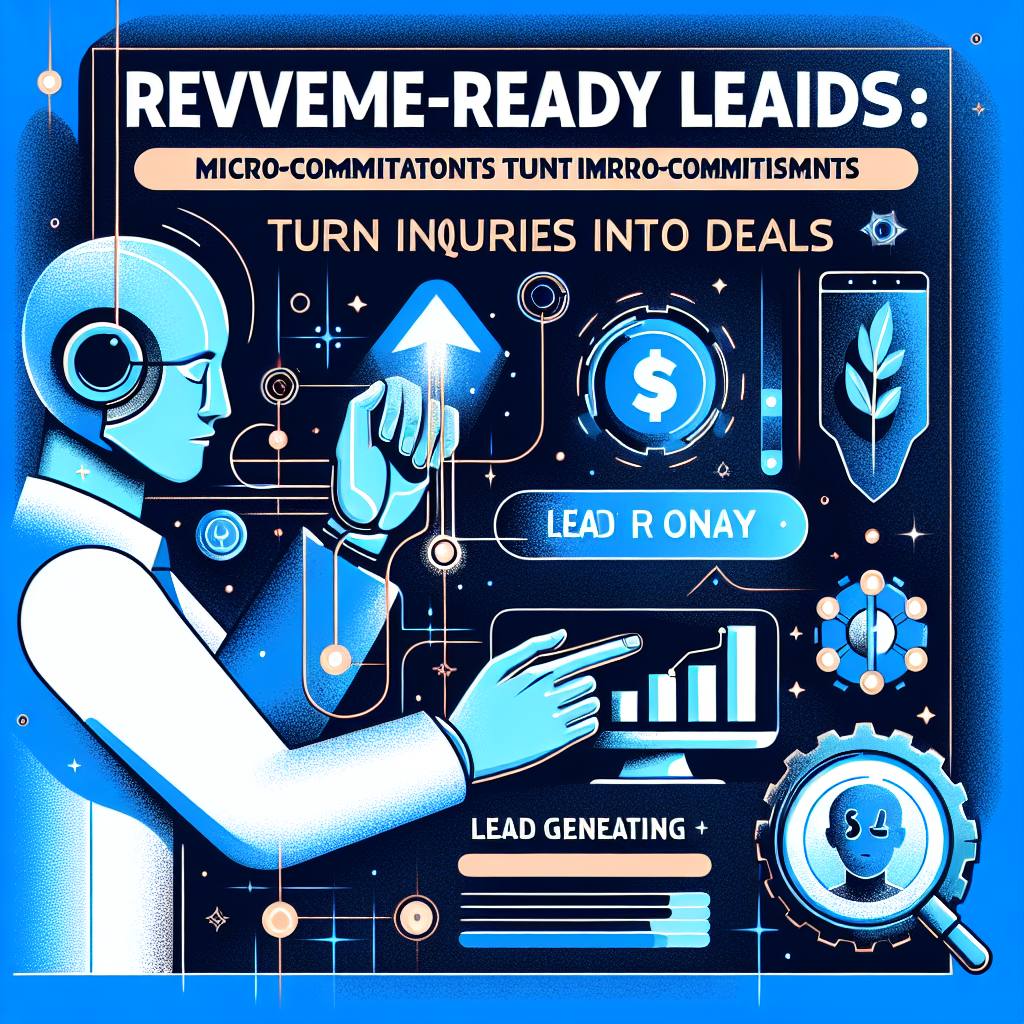


Lead generation is not a one-time campaign, it is a repeatable routine you train and refine. This guide shows how to capture attention, qualify with discipline, and convert consistently using practical plays you can implement this week.
Most lead generation advice is built around bursts of activity: launch a campaign, run ads, push an offer, then wonder why results fade the moment you stop spending. A healthier way to think about lead generation and sales is as a routine, not a sprint. You build a system that attracts the right prospects, screens out poor fits, and helps good fits make a confident decision.
In practice, that system lives inside your messaging channels, forms, landing pages, calendars, and CRM. It also lives inside your response speed and your ability to follow up when humans get busy. That is where automation can turn good intentions into consistent revenue outcomes.
Before you optimize anything, list the places leads actually come from. Most businesses have more entry points than they track: Instagram DMs, WhatsApp messages, web chat, referral texts, inbound calls that become messages, lead forms, and marketplace inquiries. Each entry point creates a different kind of expectation and urgency.
Build a simple map with three columns:
This map becomes your operational playbook. It also prevents a common leak: treating every lead like they came from the same source. A web form lead might tolerate a 2-hour response time, an Instagram DM often will not. If you sell services with limited availability, an urgent WhatsApp inquiry should be guided into booking immediately.
Platforms like Staffono.ai are built for this reality because they can handle customer communication across multiple messaging channels and keep your playbook consistent no matter where the conversation starts.
Capturing leads is not just about getting a name and number. It is about getting a real conversation started with enough context to take the next step. The best capture flows do three things well: they reduce friction, increase clarity, and ask for one simple action.
Many businesses lose leads before the first message because they demand too much too early. Instead, let prospects begin with a single tap or a single sentence:
Once the conversation begins, you can progressively collect details.
In the first 10 seconds, prospects want to know: “Is this for me?” Use a short positioning line in your bio, landing page, or chat greeting that pre-qualifies:
This reduces low-intent conversations without adding friction.
Choice overload kills momentum. Your first message or first screen should drive one next step: answer two questions, pick a time, or share one detail. Save menus and multiple options for later.
With Staffono.ai, many teams implement a consistent first-response experience across WhatsApp, Instagram, Telegram, Facebook Messenger, and web chat, so prospects always receive a clear, fast prompt that moves the conversation forward.
Qualification is not a checklist, it is a decision: should we invest human time right now, later, or not at all? The trick is to qualify without making the prospect feel like they are applying for a loan.
For most businesses, qualification can be simplified into three gates:
Turn each gate into a friendly question:
From these answers you can route leads correctly: immediate booking, consult call, nurture sequence, or polite disqualification.
Instead of “What is your budget?” try “Which option matches you best?” and present ranges. Instead of “How serious are you?” ask “What deadline are you working with?” Evidence-based questions feel helpful and produce better data.
A clinic receives 60+ inquiries per day across Instagram and WhatsApp. Many are price-only questions, and staff cannot respond quickly. They implement a short qualification flow:
High-intent leads are offered appointment times immediately, lower-intent leads receive a concise info pack and an option to book later. The clinic stops losing “ready now” patients to competitors who respond faster.
This is a strong fit for an AI employee approach: Staffono.ai can run the initial conversation 24/7, gather the required details, and hand off only the qualified, appointment-ready leads to your team.
Conversion is rarely about persuasion. It is about removing uncertainty and making the next step feel safe. Your sales path should reduce three fears: “Will this work for me?”, “Will this be a hassle?”, and “Will I regret paying?”
Instead of sending a long pitch, send a compact decision kit that includes:
This can be delivered in messaging as a short formatted message, a PDF, or a landing page link.
If your product requires trust, do not push for payment immediately. Close the next commitment first:
Two-step closes increase conversion because they match how people buy: they want validation before commitment.
Most follow-ups are weak: “Just checking in.” Replace them with value-based follow-ups:
Automation helps here because the best follow-up is the one that actually happens. With Staffono.ai, you can set consistent follow-up sequences across messaging channels, triggered by the stage of the conversation, while still allowing a human salesperson to jump in when the lead becomes hot.
Fast replies matter, but only if they are useful. A good first response acknowledges the request, asks one qualification question, and offers the next step. If your team cannot cover evenings and weekends, you are donating revenue to competitors. A 24/7 AI employee can keep your response time low without burning out staff.
Conversion drops when leads repeat themselves. Define a handoff format:
This makes every human follow-up sharper and faster.
You do not need a complicated dashboard. Track:
These reveal where to focus: better messaging, stronger qualification, or improved offer clarity.
To keep your lead routine strong, run a weekly loop:
Small changes compound quickly because they affect every future conversation.
Capturing, qualifying, and converting leads into revenue is less about finding a magic tactic and more about building a repeatable routine: clear entry points, low-friction starts, respectful qualification, and decision kits that remove uncertainty. When you combine that routine with consistent execution, you get predictable growth.
If you want that consistency across WhatsApp, Instagram, Telegram, Facebook Messenger, and web chat without hiring a night shift, explore how Staffono.ai can run your first-response and qualification workflows 24/7, route high-intent leads to your team, and keep follow-ups moving until prospects are ready to buy.