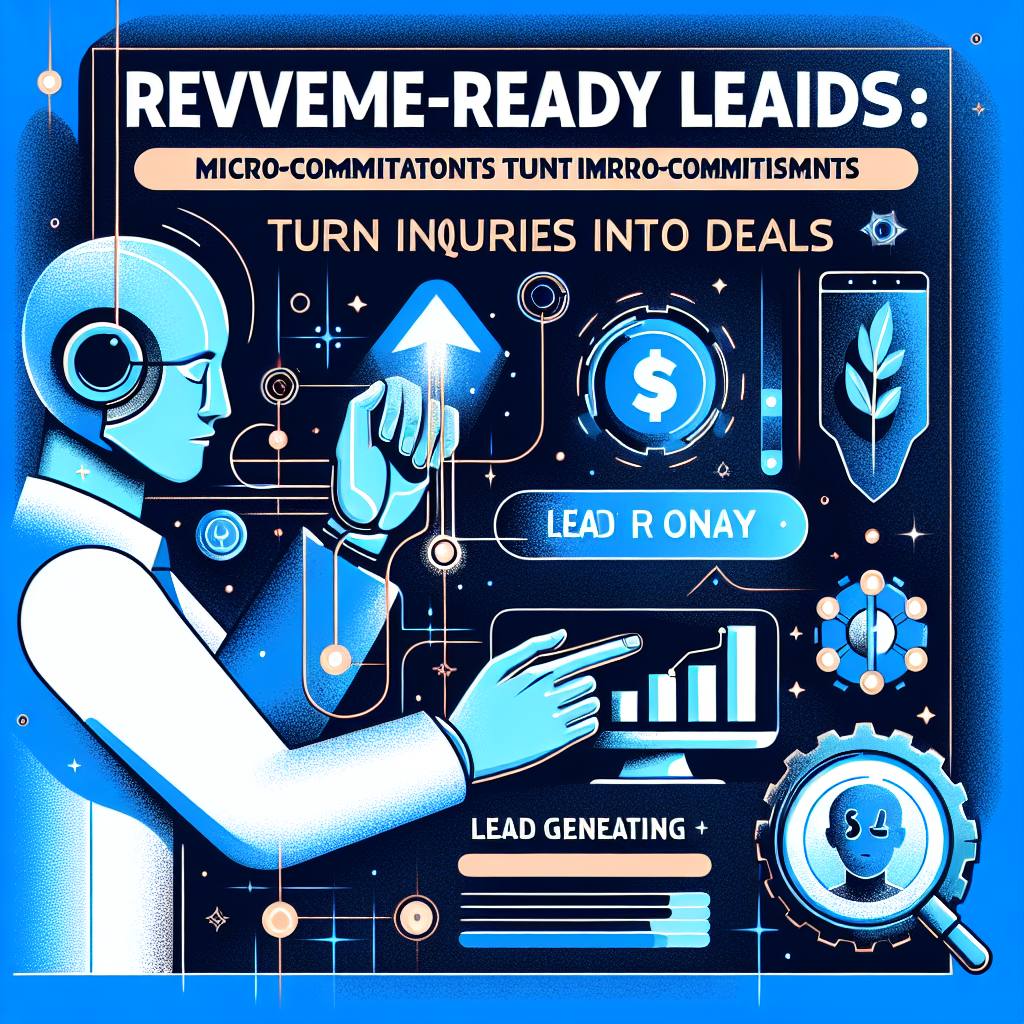

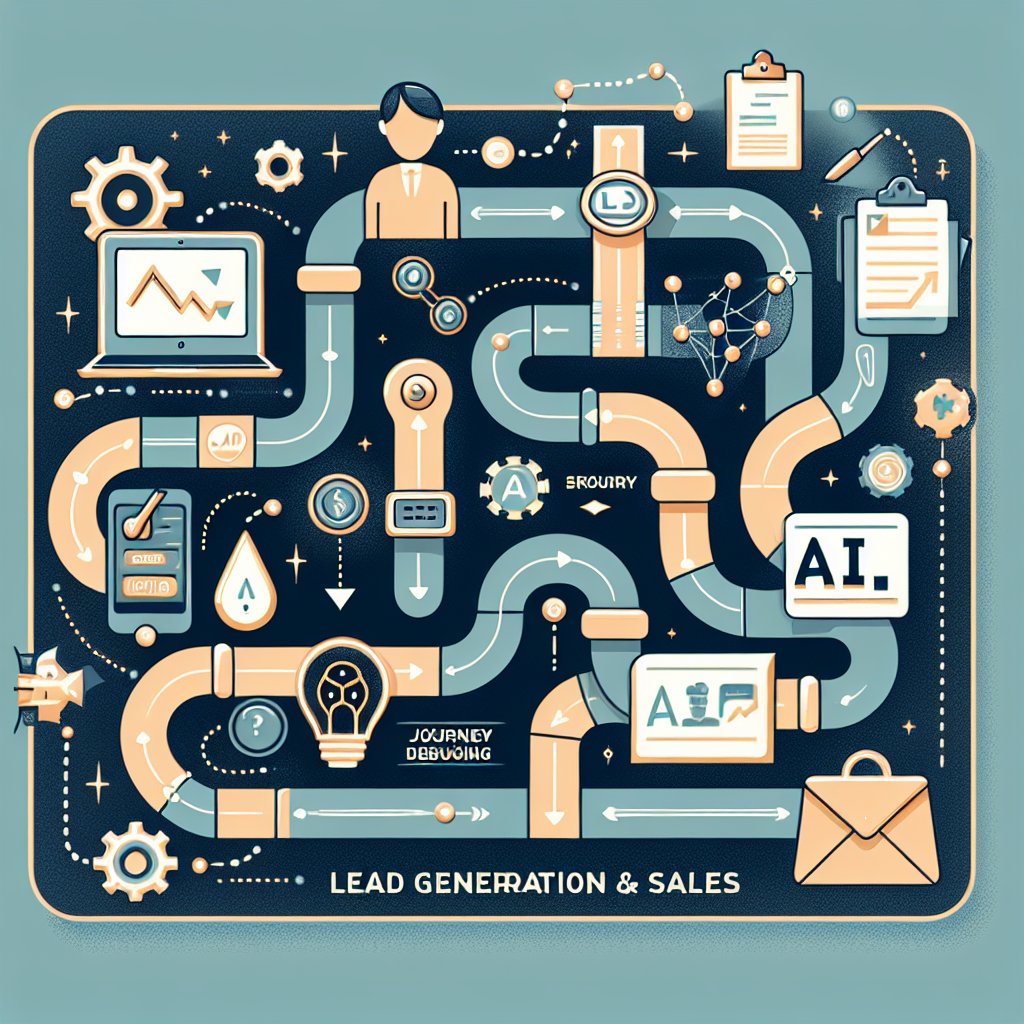
Most lead generation problems are not traffic problems, they are journey problems. This guide shows how to trace a lead from first touch to paid, identify where momentum dies, and apply practical fixes that increase qualified meetings and revenue without burning out your team.
Lead generation and sales often get treated like two separate jobs: marketing “gets leads” and sales “closes.” In reality, revenue depends on a single continuous journey that starts the moment someone notices you and ends when they pay and stick around. When that journey breaks, it usually breaks in specific, repeatable places: slow replies, vague qualification, friction in booking, inconsistent follow-up, and mismatched offers.
This article approaches growth like debugging a system. Instead of guessing which tactic to try next, you will map the lead journey, identify where drop-offs happen, and apply fixes that improve capture, qualification, and conversion across channels like WhatsApp, Instagram, Telegram, Facebook Messenger, and web chat. Along the way, you will see where an AI automation platform like Staffono.ai can remove bottlenecks by handling conversations, routing, and scheduling 24/7.
Many teams plan lead generation by channel: ads, SEO, referrals, social. That is useful, but it does not reveal why leads are not turning into revenue. A lead journey map does.
Draw a simple flow with stages that match how buyers behave in your business:
Now attach metrics to each stage. You do not need perfect analytics on day one. Start with what you can measure this week: response time, percentage of leads that book, show-up rate, and close rate. The goal is to find the one or two stages where the majority of value leaks out.
A lead is created when someone takes an action that lets you respond. Your job is to make that action effortless and aligned with how people prefer to communicate.
If your audience lives in messaging apps, do not force them into long forms. For example:
Staffono.ai is designed for this reality. It can handle inbound conversations across WhatsApp, Instagram, Telegram, Facebook Messenger, and web chat, so you can meet prospects where they are instead of pushing everyone into a single funnel shape.
The fastest way to increase lead capture is to replace multi-step forms with one clear prompt that starts a conversation. Examples:
Once they answer, you can progressively collect details. This preserves momentum and improves completion rates.
People message when they believe they will get an immediate payoff. Common payoffs include:
If your first interaction delivers a real outcome, you earn the right to ask more questions.
Qualification is not about interrogating prospects. It is about routing the right opportunities to the right next step, while politely filtering out poor fit. The most effective qualification is consistent, fast, and tied to action.
Teams often define a qualified lead too vaguely: “interested” or “has budget.” Instead, define it as a set of observable signals. For example:
Then decide what happens for each combination. If timing is “not this quarter,” the next step may be nurture, not a sales call.
Good qualification questions do two jobs: they assess fit and they reduce uncertainty for the prospect. Examples:
Notice these are not checklist questions. They invite context, which helps you position the right offer.
Speed matters because intent decays quickly. If your team cannot respond instantly, you will lose high-intent leads to competitors who can. This is where 24/7 AI employees are practical, not gimmicky.
With Staffono.ai, you can automate the initial conversation: collect key details, identify the service type, confirm location or eligibility, and then route qualified leads to a human closer. The result is not replacing sales, it is protecting sales time for the conversations that can actually convert.
Conversion usually fails because the next step is unclear or inconvenient. Your job is to make the next action simple, specific, and low-friction.
Replace vague prompts with clear options:
Choices reduce decision fatigue. They also reveal objections earlier.
Booking is not conversion if people do not show. Improve attendance by confirming:
Staffono.ai can handle bookings and confirmations inside messaging channels, which matters because many prospects will not switch to email just to manage logistics.
Most objections are predictable: price, time, trust, comparison, internal approval. Create short, reusable responses that provide clarity without pressure. For example:
When your team uses the same high-performing answers, conversion becomes a system, not an individual talent.
Most revenue is lost in the gap between “interested” and “ready.” Silence often means the prospect got busy, is waiting on someone, or is unsure what to do next.
One follow-up sequence for everyone is a mistake. Segment by:
Then tailor the message content. Hot leads need scheduling nudges and fast answers. Warm leads need proof and clarity. Cold leads need periodic value and a reason to re-engage.
“Just following up” is easy to ignore. Try:
Automation helps here, too. Staffono.ai can send timed follow-ups in the same channel the prospect used, while keeping context from the earlier conversation so it does not feel robotic.
Imagine a dental clinic running Instagram ads. They receive many DMs, but the front desk replies hours later, and most conversations die.
Debugging the journey reveals two main drop-offs: slow first response and friction in booking. The fix is to:
With Staffono.ai handling the initial DM triage and scheduling, the clinic can respond instantly, qualify correctly, and pass only booked or high-intent conversations to staff. The front desk spends less time on repetitive questions and more time on in-person experience.
Debugging is ongoing. Track a small set of metrics that connect directly to revenue:
When a metric dips, inspect the conversation logs. You will usually find a repeatable pattern: a confusing question, a missing price anchor, or a slow handoff.
Capturing, qualifying, and converting leads is not about finding a single “winning tactic.” It is about building a journey that keeps momentum: frictionless first contact, fast and consistent qualification, and a next step that is easy to say yes to. When you treat the process like a system you can debug, improvements compound.
If your team is already stretched across multiple inboxes, consider using Staffono.ai to keep response times near zero, qualify leads with consistent logic, and automate booking and follow-up across WhatsApp, Instagram, Telegram, Facebook Messenger, and web chat. That combination tends to produce the outcome most businesses actually want: fewer missed opportunities, more qualified conversations, and revenue that grows without adding constant manual work.