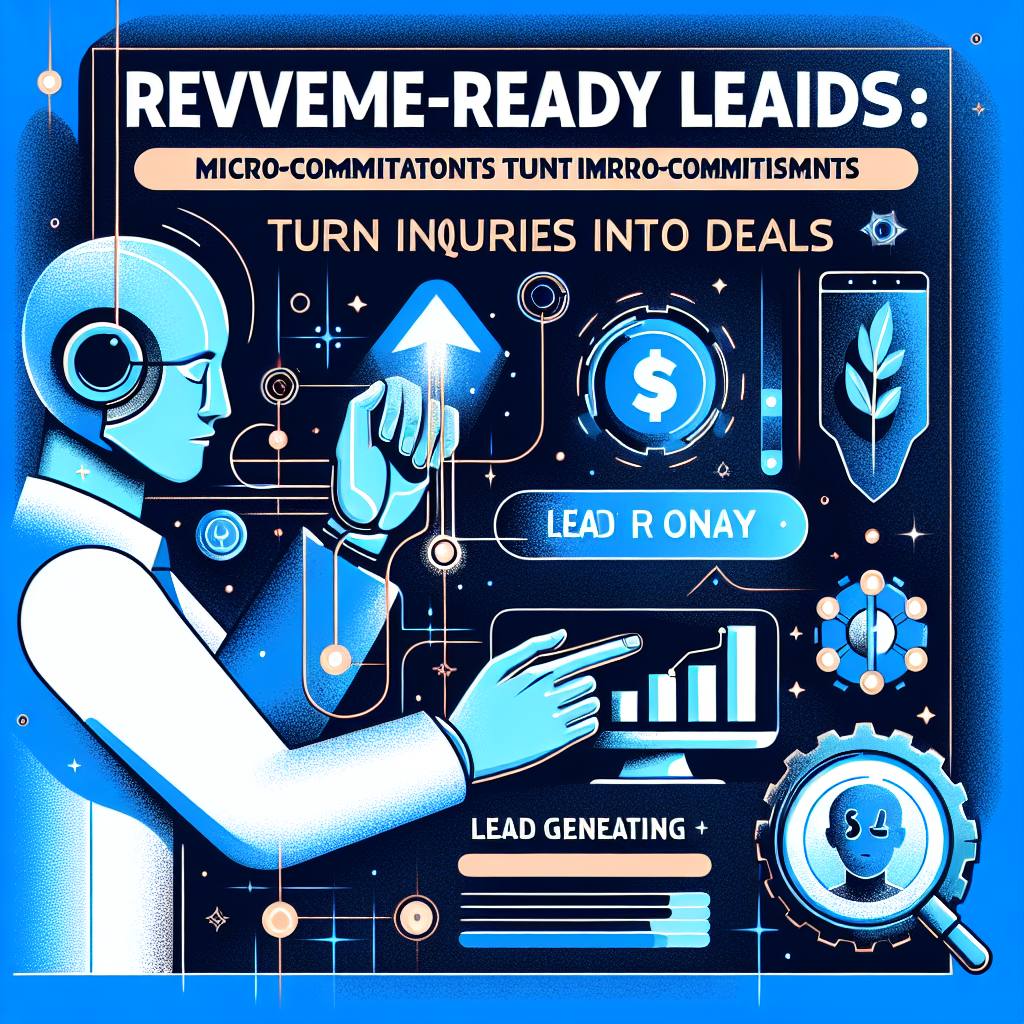

Lead generation is easy to start and hard to systematize. This checklist-based approach helps you capture demand across channels, qualify it consistently, and convert it with message-first sales habits that create predictable revenue.
Most businesses do not have a lead problem, they have a readiness problem. The inquiries are there: a WhatsApp message after hours, a DM that asks for pricing, a web chat question about delivery, a comment that says “Interested.” Revenue gets lost when those signals are not captured cleanly, not qualified consistently, or not moved forward with a clear next step.
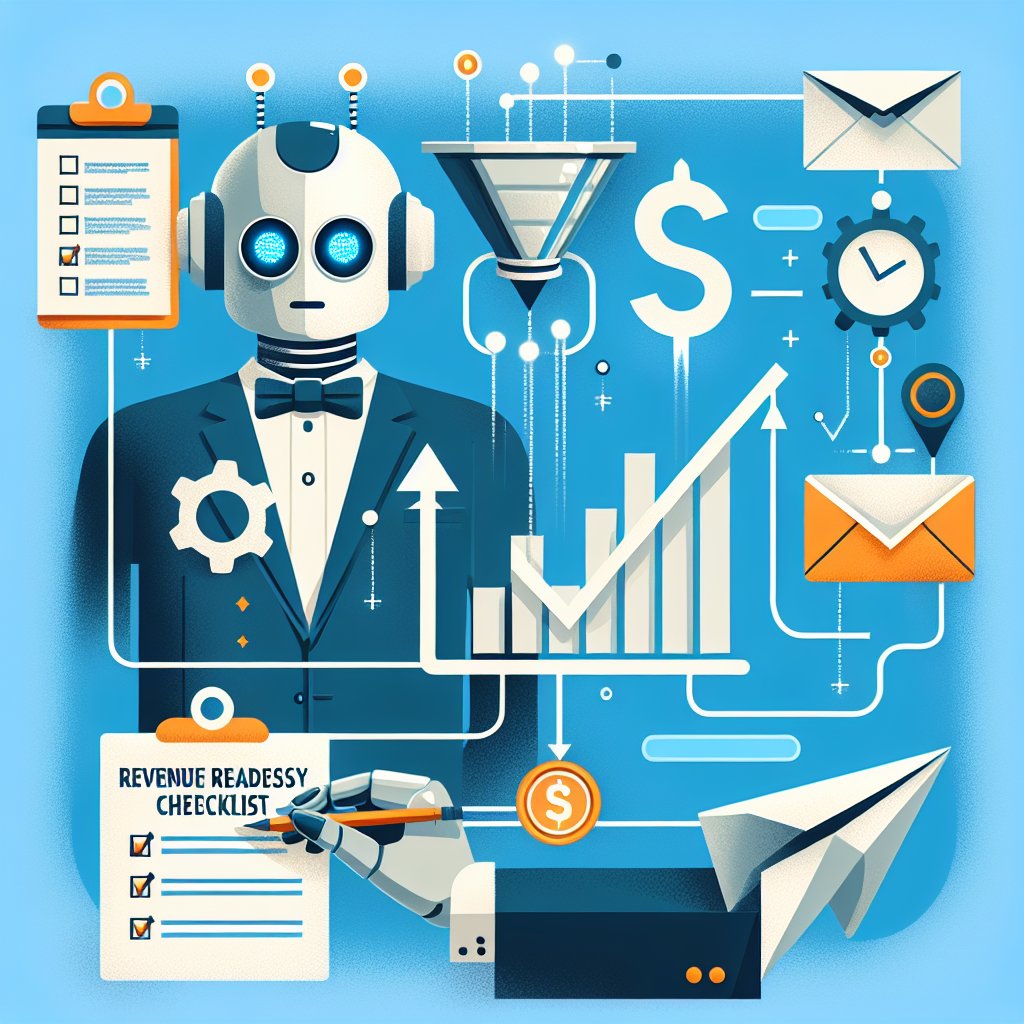
This article is a practical “revenue readiness checklist” you can apply to any business that sells through conversations. The goal is not more leads at any cost. The goal is turning real intent into appointments, proposals, and payments with a repeatable system that works even when your team is busy.
Revenue readiness is the ability to respond, route, qualify, and progress a lead the moment interest appears, regardless of channel or time of day. It is a combination of process, messaging, and tools.
Ask yourself a simple question: if 50 high-intent leads arrived today across WhatsApp, Instagram, Telegram, Facebook Messenger, and your website, would you convert more of them, or would you drown?
Platforms like Staffono.ai (https://staffono.ai) are designed for this exact scenario by providing 24/7 AI employees that capture inquiries, answer questions, qualify prospects, and book meetings across messaging channels. But technology only works well when the underlying system is clear, so let’s build the checklist first.
Traditional lead capture focuses on web forms. Modern lead capture includes conversational micro-signals: “How much is it?”, “Do you have this in stock?”, “Can you deliver to my area?”, “Do you work with companies like mine?” These are leads, even if the person never submits a form.
Practical example: A home services company gets 30 percent of inquiries through WhatsApp after 7 pm. They add a simple web widget that offers “Message us on WhatsApp for a 2-minute quote.” That single change converts anonymous website visitors into identifiable leads with conversation history and faster scheduling.
With Staffono.ai, those signals can be captured and handled automatically, including after hours, so you stop losing intent to “We will reply tomorrow.”
Leads stall when your team improvises. A prospect asks a question and receives a long explanation, but no next step. Or they get asked to “send more details,” which shifts effort onto the buyer and increases drop-off.
Instead, design one clear next step per intent. Think in terms of conversation outcomes.
Message pattern that converts: Answer, qualify, advance. If you only answer, you educate and hope. If you answer and qualify, you learn. If you answer, qualify, and advance, you create momentum.
Staffono.ai can enforce this consistency across channels by using guided conversation flows that always end with a concrete next step, such as booking a call, collecting project details, or sending a payment link, depending on your process.
Qualification fails in two common ways: it is either too aggressive (feels like an interrogation), or too vague (collects data that does not predict purchase). Good qualification is short, relevant, and tied to what your team needs to propose the right solution.
Example questions you can reuse
Notice what is missing: long lists of questions. The point is to earn the next answer by being helpful with the last one.
Because Staffono.ai operates as an always-on AI employee, it can ask these questions naturally in chat, tag the lead based on responses, and route qualified leads to the right human or calendar slot without making prospects wait.
Response time is not just about being fast. It is about being fast with something that moves the deal forward. A quick “Hi, we will get back to you” is better than silence, but it is not as good as a quick answer plus a next step.
Practical example: A fitness studio receives an Instagram DM: “How much for monthly membership?” A useful-speed reply is: “Monthly is $79 to $119 depending on class access. Are you looking for mornings or evenings? If you want, I can book a free intro session for tomorrow or Thursday.” That is conversion-focused, not just fast.
Staffono.ai helps you deliver useful speed 24/7, especially when your team is offline, by answering FAQs, qualifying, and booking automatically across your messaging channels.
Most revenue is lost in follow-up, not in the first conversation. People get busy, need approval, or compare options. Your follow-up should feel like service, not pressure.
Cadence tip: Use short check-ins that alternate between value and choice. For example: Day 1 recap and next step, Day 3 add a relevant option, Day 7 ask for a decision or timing, Day 14 close the loop politely.
Automated follow-up is where many teams make mistakes by blasting generic reminders. A smarter approach is rules-based personalization: follow up differently based on what the buyer asked, which package they viewed, or whether they started booking but stopped. Staffono.ai can support this by keeping conversation state and sending the right follow-up at the right time across channels.
If leads are qualified and still not converting, look at how you package the offer. Buyers choose clarity. Confusing offers create hesitation.
Example: Instead of sending a custom quote with ten line items, send three packages: “Starter (basic setup), Growth (most popular), Premium (fastest turnaround + support).” Then recommend one based on their answers. This reduces cognitive load and increases close rates.
In chat-based sales, packaging can be delivered as a short message with buttons or quick replies. Staffono.ai can present these options consistently and collect the buyer’s selection instantly, then hand off to a human for final confirmation when needed.
Many teams track vanity metrics like impressions or clicks. Those matter, but they do not tell you what to fix in the conversation pipeline.
These metrics directly point to improvements: better opening messages, fewer qualification steps, clearer offer packaging, or better reminders.
To make this checklist real, treat it like a weekly system:
Even small improvements compound quickly when you are handling leads every day.
The fastest-growing teams are not the ones that work the most hours. They are the ones that make lead handling reliable. If you want to capture more inquiries, qualify them consistently, and convert them without adding headcount for every new channel, it is worth exploring a messaging-first automation layer.
Staffono.ai (https://staffono.ai) provides 24/7 AI employees that can engage leads across WhatsApp, Instagram, Telegram, Facebook Messenger, and web chat, answer common questions, qualify based on your criteria, and book meetings or collect details automatically. If your revenue readiness checklist shows gaps in speed, consistency, or follow-up, Staffono can help you close those gaps while keeping the buyer experience fast and human.