
Lead generation fails less from lack of traffic and more from messy handoffs, slow replies, and unclear qualification. This guide shows how to capture leads reliably, qualify them with consistent criteria, and convert them with a repeatable follow-up system that turns interest into revenue.
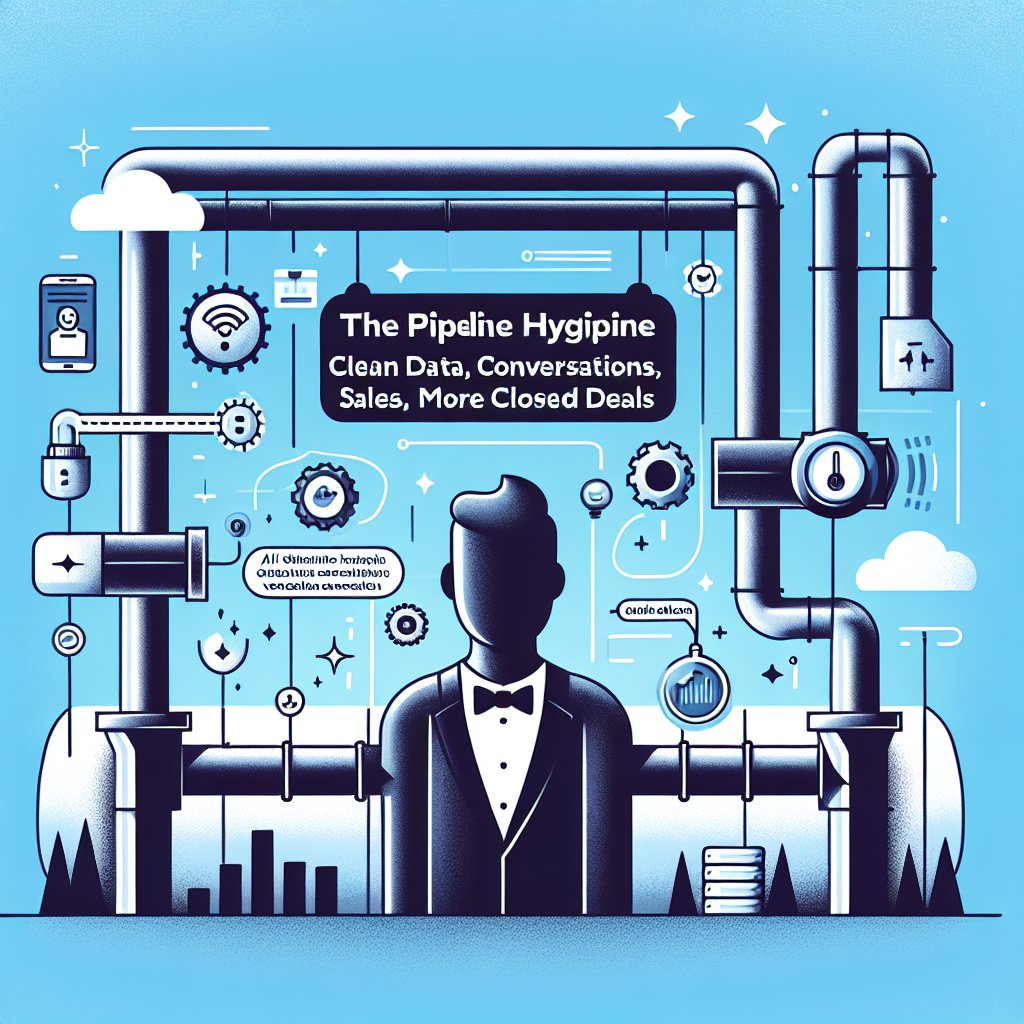
Most teams treat lead generation like a volume game: more clicks, more forms, more DMs. But revenue rarely stalls because you did not attract enough attention. It stalls because your pipeline is dirty: duplicate contacts, incomplete fields, vague intent, inconsistent follow-ups, and conversations scattered across WhatsApp, Instagram, web chat, and email. When the pipeline is messy, sales becomes guesswork and good leads slip through without anyone noticing.
The Pipeline Hygiene Method is a practical approach to capturing, qualifying, and converting leads by keeping your data, messaging, and next steps clean. It is not glamorous, but it is one of the fastest ways to increase win rates without increasing ad spend.
Lead capture is successful only if the lead is immediately actionable. If your form or chat collects a name and phone number but not context, your first human follow-up becomes an interrogation. That creates friction and delays, and delays kill deals.
Whether you capture via a landing page, web chat, or a messaging channel, aim for a small set of fields that clarify three things: what they want, how urgent it is, and how to reach them.
Example: a B2B IT services company running LinkedIn ads sends traffic to a page with a short form. Instead of “Message,” it asks “Which area do you need help with: cloud migration, security audit, or managed support?” That one multiple-choice question makes routing and qualification faster.
If your audience prefers messaging, do not fight it. Many high-intent prospects will not fill out a long form, but they will answer two questions in WhatsApp or Instagram in seconds. Tools like Staffono.ai (https://staffono.ai) help you capture leads directly inside the conversation across WhatsApp, Instagram, Telegram, Facebook Messenger, and web chat, then structure the answers into a consistent lead record so your team is not manually copying and pasting.
Qualification is not about pushing people away. It is about matching the right offers to the right prospects quickly. A clean pipeline uses consistent criteria so every rep and every automation evaluates leads the same way.
Fit is whether the lead matches your ideal customer profile. Choose 3 to 5 fit signals you can actually collect early.
Example: a marketing agency decides that “fit” means at least $50k monthly revenue and an existing offer already selling. Anyone below that is directed to a lower-cost package or educational content.
Intent is how close they are to buying. You can infer some intent from behavior, but the fastest way is to ask clear questions.
A high-intent lead answers with specifics and urgency. A low-intent lead stays vague and exploratory. Both can be valuable, but they should enter different follow-up tracks.
Once you have fit and intent, decide the next step before the conversation ends:
Staffono.ai can support this by running a consistent qualification flow in chat, tagging leads based on answers, and handing off only the right conversations to your human team. That protects focus and keeps response quality high even when volume spikes.
Most deals are lost in the follow-up gap. Not because the lead said “no,” but because nobody guided the next step clearly, or the business replied days later with no context. Pipeline hygiene means every lead has a next action, an owner, and a deadline.
Using one generic follow-up sequence for everyone is another form of mess. Instead, create tracks that match intent.
Example: a dental clinic has a fast track for people asking about “appointment this week,” and a consideration track for cosmetic dentistry prospects comparing options. The messages and timing are different, so the experience feels personal even when automated.
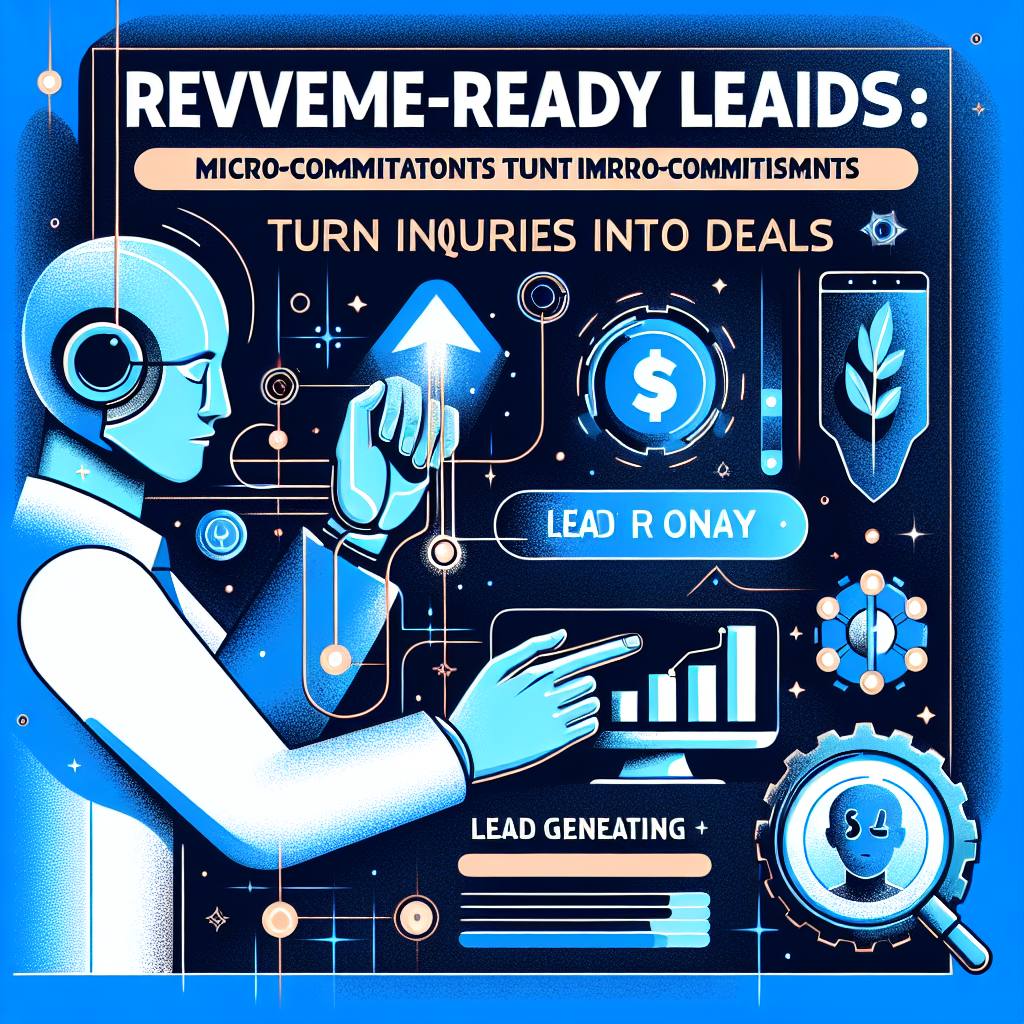
Conversion improves when you reduce the perceived effort of the next step. Instead of asking immediately for a 60-minute call, offer a smaller action:
Each micro-commitment keeps the conversation moving and reveals intent without pressure.
After any meaningful exchange, send a short recap: what they want, what you recommended, and what happens next. This prevents confusion and reduces ghosting.
For instance: “Based on your goal (increase inbound leads) and timeline (this month), the next step is a 20-minute discovery call. Here are two time slots. If neither works, share a preferred time.” That level of clarity can outperform fancy persuasion tactics.
Even a great sales script fails if the backend is chaotic. Hygiene is operational. It requires a minimum set of fields, consistent definitions, and accountability.
Define the required fields for every new lead. Keep it small, but non-negotiable.
If a record lacks a next step, it is not a lead, it is a loose contact.
When messaging lives across multiple inboxes, duplicates appear and customers repeat themselves. Centralize conversation history and ensure every message maps to one contact. Staffono.ai helps here by managing multi-channel conversations in a unified way and maintaining context so the customer does not have to restate their needs when the conversation moves from Instagram to WhatsApp or from bot to human.
Result: the first human call is about solutions, not basic facts. Quotes go out faster, and close rates rise.
Result: fewer abandoned conversations, more confident buyers, less time wasted on low-intent questions.
Result: demos become higher quality, fewer no-shows, shorter sales cycles.
You do not need dozens of dashboards. Track a small set of indicators weekly:
If you see strong conversion on one channel but weak on another, it is often a capture or qualification mismatch, not a traffic problem.
Capturing, qualifying, and converting leads is not a single tactic. It is a cleanliness discipline across your entire customer conversation system. When your capture collects usable context, your qualification uses consistent fit and intent signals, and your follow-up assigns clear next steps, you stop relying on heroics and start building predictable revenue.
If your leads arrive through multiple messaging apps and response quality varies by time of day, consider automating the repetitive parts while keeping humans for high-stakes moments. Staffono.ai (https://staffono.ai) provides 24/7 AI employees that can capture inquiries, ask the right qualifying questions, route hot leads to your team, and keep follow-ups moving across WhatsApp, Instagram, Telegram, Facebook Messenger, and web chat. When your pipeline stays clean even at peak volume, closing more deals becomes the natural outcome, not a lucky week.