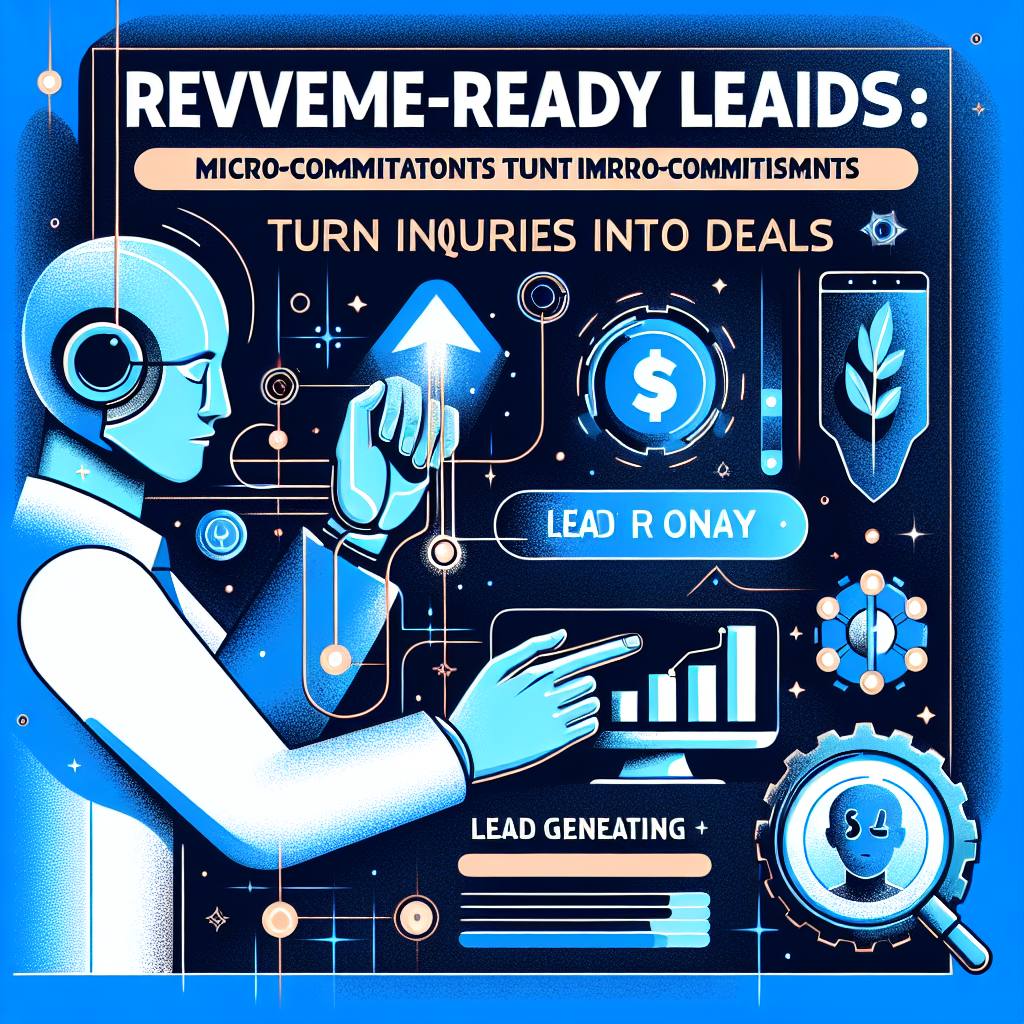

Leads rarely arrive in neat forms, they show up as half-questions, screenshots, voice notes, and late-night DMs. This guide shows how to capture every inquiry, qualify it without friction, and convert it into revenue using repeatable workflows and AI-assisted messaging.
Lead generation and sales often break down for a simple reason: prospects do not enter your business in an orderly line. They arrive from WhatsApp, Instagram, web chat, Telegram, Facebook Messenger, referrals, and forms. They ask vague questions like “How much is it?” or “Do you work in my area?” They disappear, reappear days later, and expect you to remember context.
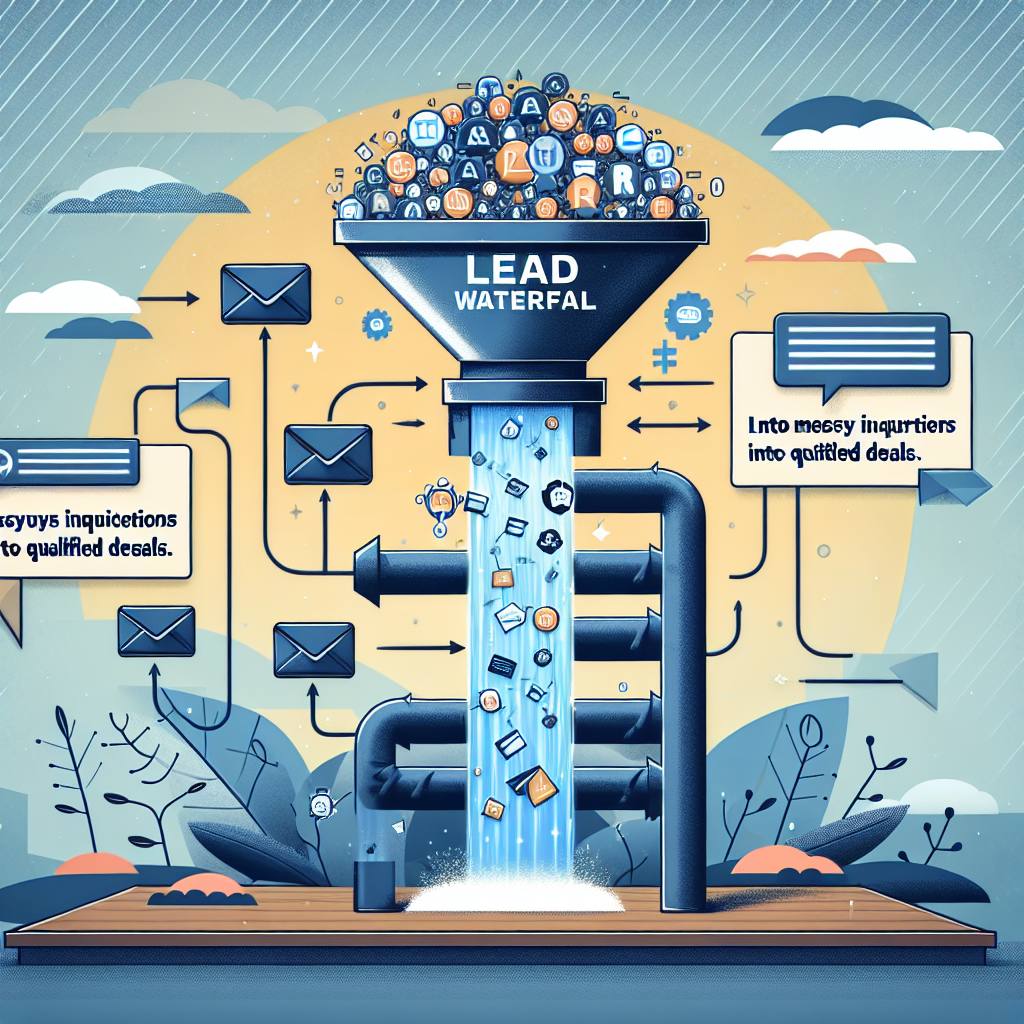
The teams that consistently convert do not rely on perfect lead sources or heroic follow-up. They build a “lead waterfall”: a system where every inquiry is caught, enriched, routed, qualified, and moved forward with minimal effort, even when the lead quality is unpredictable.
Below is a practical framework to capture, qualify, and convert leads into revenue, with examples you can implement quickly. You will also see where an AI employee from Staffono.ai (https://staffono.ai) can remove bottlenecks by handling 24/7 messaging, pre-qualification, booking, and handoff across channels.
Your first goal is not “more leads.” It is fewer lost conversations. Most businesses leak revenue in the gap between initial interest and first meaningful reply.
A strong capture promise has two parts: speed and continuity. Speed means responding quickly enough that the buyer is still in buying mode. Continuity means the conversation resumes later without forcing the prospect to start over.
Staffono.ai is designed for exactly this environment. Its AI employees can respond instantly across WhatsApp, Instagram, Telegram, Facebook Messenger, and web chat, keeping the thread consistent while collecting the inputs you need for qualification.
Prospects do not want to complete a questionnaire. They want an answer. The best lead qualification happens as a natural conversation where you gather key details in small steps.
In most industries, you can qualify well with 5 fields:
Progressive profiling means you do not ask all of this at once. You ask one question that moves the deal forward, then the next, and only when the prospect is still engaged.
A prospect messages: “Do you install AC?”
By the end, you have enough to route the lead correctly and propose a next step. With Staffono.ai, this can happen automatically in the channel the prospect prefers, at any hour, with clean data captured for your team.
Sales teams often rely on intuition to decide whether a lead is “good.” That is risky when the top of the funnel is noisy. Instead, define thresholds that trigger the next action.
Each tier should map to a specific workflow. Tier A gets immediate scheduling and a human handoff. Tier B gets a helpful sequence and a scheduled check-in. Tier C gets a polite close and an alternative if possible.
Staffono.ai can enforce these thresholds consistently, so your team does not waste time arguing about lead quality, and the prospect gets a clear next step instead of a vague reply.
Conversion does not mean “close the deal in chat.” In many businesses, the real conversion is a committed next step: a booked consultation, a deposit, a site visit, a demo, or a paid assessment. Your first offer should make that step easy.
Notice the pattern: the offer is not “buy now.” It is “get something useful and specific with minimal effort.” That is how you move from curiosity to commitment.
Routing is where revenue often gets stuck. The lead is captured and even qualified, but it does not reach the right person fast enough.
Staffono.ai can support this by gathering structured data in the chat, then triggering the correct handoff to your team, so the rep receives a clean summary rather than a messy thread.
Most follow-ups fail because they are generic: “Just checking in.” Effective follow-up delivers value and reduces uncertainty.
With an AI employee, these follow-ups can be triggered automatically based on lead tier and behavior, without your team needing to remember who to chase and when. Staffono.ai can keep the conversation alive in the same channel, which is often where buyers respond fastest.
Traffic and impressions are useful, but they are upstream. The most actionable improvements come from conversation metrics.
When you track these, you can diagnose issues precisely. If response time is good but booking is low, your first offer may be weak. If qualification completion is low, your questions may be too heavy or poorly sequenced.
Here is a straightforward workflow you can adapt to almost any business:
If you want this to run reliably across multiple channels without adding headcount, Staffono.ai (https://staffono.ai) is built to act as a 24/7 AI employee that captures inquiries, qualifies leads, books appointments, and hands off sales-ready opportunities to your team with consistent data. When your lead waterfall is working, “more leads” finally translates into “more revenue,” because the system stops leaks and keeps every buyer moving forward.