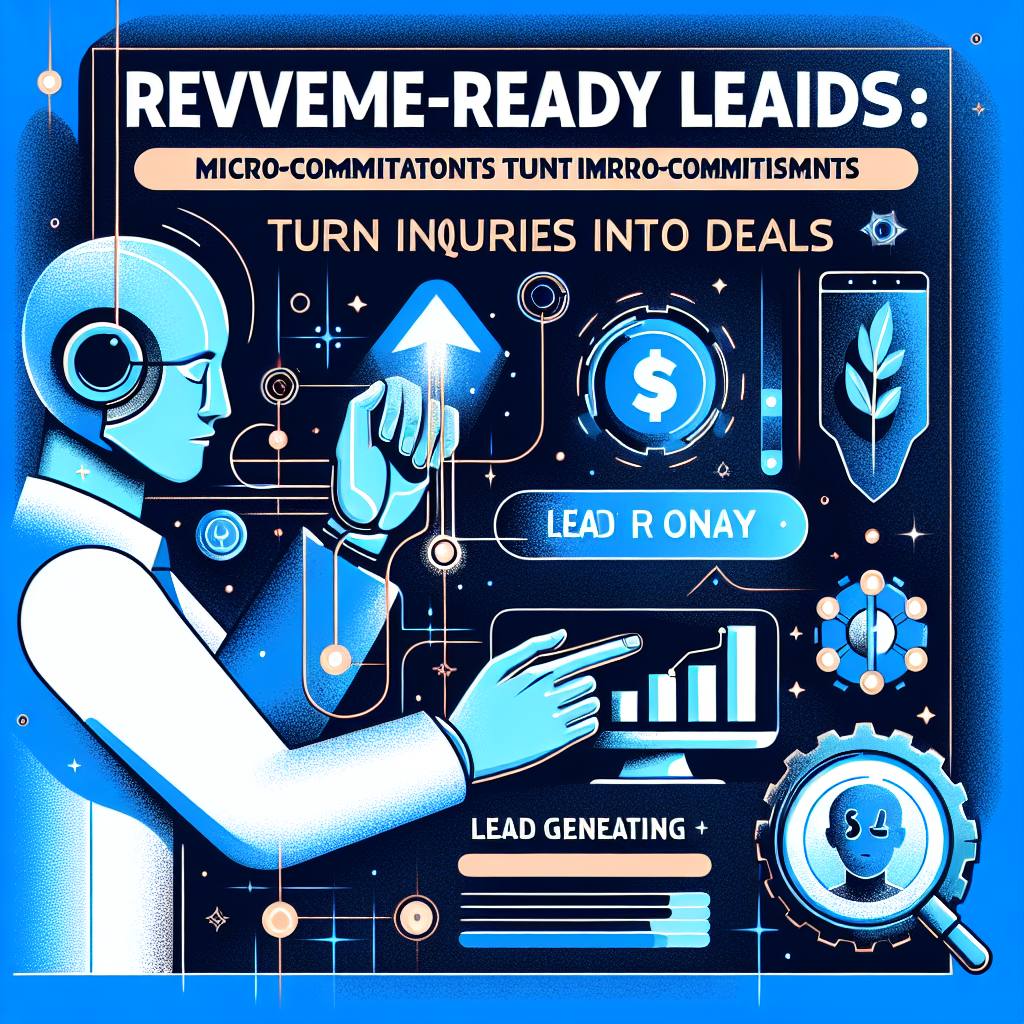


Lead generation is easy to start and hard to scale because conversations multiply faster than teams. This guide shows how to design a reliable operating system that captures leads across channels, qualifies them with consistent rules, and converts them into revenue with automated follow-up and human handoffs.
Most teams do not lose revenue because they lack leads. They lose revenue because lead handling is inconsistent. A prospect asks a question on Instagram, another requests pricing on WhatsApp, someone fills a web form, and the sales team responds at different speeds with different answers. The result is predictable: slow replies, unqualified calls, and deals that die quietly.
The fix is not another “growth hack.” It is an operating system: a repeatable way to capture, qualify, and convert leads, regardless of where they show up and when they message. When you treat lead generation and sales as an operational workflow, you can measure it, improve it, and scale it without burning out your team.
Below is a practical framework you can implement in phases. It includes examples, scripts, qualification logic, and automation ideas, plus how tools like Staffono.ai (https://staffono.ai) can help you run this system 24/7 across WhatsApp, Instagram, Telegram, Facebook Messenger, and web chat.
A lead intake contract is a simple definition of what happens every time someone raises their hand. Without it, every channel becomes a different universe.
Not every message is a lead. Create clear categories so your team and your automation can route correctly:
This matters because response paths differ. A support message should not be pushed into a sales calendar, and a new lead should not sit in a shared inbox waiting for someone to notice.
Your first response should do three jobs: confirm receipt, set expectations, and ask one high-signal question.
Example first response for a service business:
“Thanks for reaching out. I can help with pricing and availability. What kind of project is this (website, ads, branding, or something else), and what’s your target timeline?”
That one question filters out low-intent inquiries and begins qualification without sounding like an interrogation.
With Staffono.ai, you can deploy consistent first responses across all messaging channels and web chat, so every prospect gets an immediate, on-brand reply even after hours.
Lead capture improves when you reduce friction and meet prospects in the places they already communicate.
Avoid long forms when the user is already messaging you. Instead, create capture paths that turn intent into a conversation:
When you do use forms, keep them short and align fields with your qualification needs (more on that below). If the form asks for five fields but your sales team only uses two, you are adding friction for no payoff.
Many prospects are not ready to book. Give them an easier next step:
These offers convert better because they feel low risk. Your system should then guide the prospect toward a call only when it makes sense.
Qualification is not about asking more questions. It is about asking the right ones in the right order.
Choose signals that correlate with closing and retention. For example:
If you sell B2B software, “team size” and “current tool” may matter more than budget. If you sell high-ticket services, budget range may matter early to avoid misalignment.
In messaging, asking five questions in a row can feel robotic. Instead, ask one question, respond with value, then ask the next.
Example flow for a fitness studio:
This feels like a conversation, but it is also structured data capture.
Platforms like Staffono.ai can automate this progressive qualification, store structured answers, and route the lead based on fit and urgency. That means your human team spends time on high-intent conversations, not repetitive intake.
Routing is where many systems break. Leads are captured, but nobody is clearly responsible for the next step.
Build rules your team can understand and your automation can execute:
Write these rules down. If two sales reps route the same lead differently, you do not have a process, you have opinions.
A handoff should include context. When a lead moves from AI or an SDR to a closer, provide:
This avoids the frustrating “Can you repeat that?” moment that kills momentum.
Most revenue is won in follow-up, but most follow-up is either too aggressive or too vague. The best follow-up is specific, time-bound, and value-forward.
Create templates for the moments that matter:
Each message gives the prospect an easy reply. Avoid “Just checking in,” which creates work for them and signals low confidence.
Every follow-up should include a helpful asset and a clear next action. Example:
Staffono.ai can run these sequences across messaging channels, timing nudges based on engagement and ensuring no lead is forgotten on weekends or holidays.
Conversion improves when the offer reduces risk and increases clarity.
Instead of forcing every prospect into a blank-slate sales process, present 2-3 packaged options, then customize only where necessary. This speeds decisions and improves close rates because prospects can compare.
If your sales cycle is long, create a starter option:
This turns indecision into progress and filters serious buyers.
Vanity metrics do not fix pipeline. Track metrics that reflect the health of your operating system:
Once you have these, improvement becomes straightforward: speed fixes no-response, better qualification fixes wasted calls, and better offers fix late-stage drop-off.
Imagine a dental clinic that receives leads on Instagram, WhatsApp, and web chat. The clinic wants more booked consultations for implants and orthodontics.
With Staffono.ai, the clinic can run this end-to-end across channels with an AI employee that answers common questions, gathers details, and books appointments 24/7, while sending clean context to the front desk when a human needs to step in.
You do not need a massive overhaul. Start small:
If you want the system to run consistently across WhatsApp, Instagram, Telegram, Facebook Messenger, and web chat without adding headcount, Staffono.ai (https://staffono.ai) is designed for exactly this. You can deploy an AI employee to capture and qualify leads, answer questions instantly, book meetings or appointments, and keep follow-up moving so your sales team focuses on closing, not chasing.