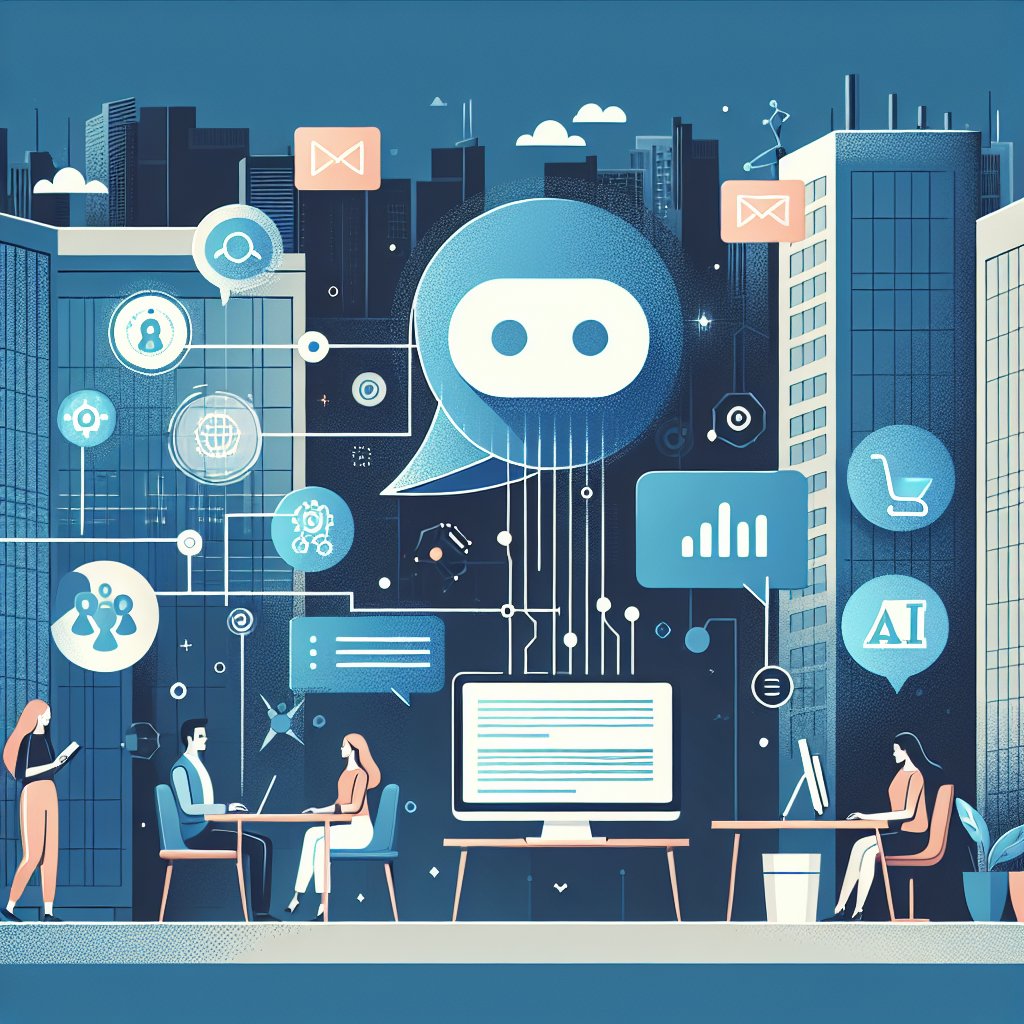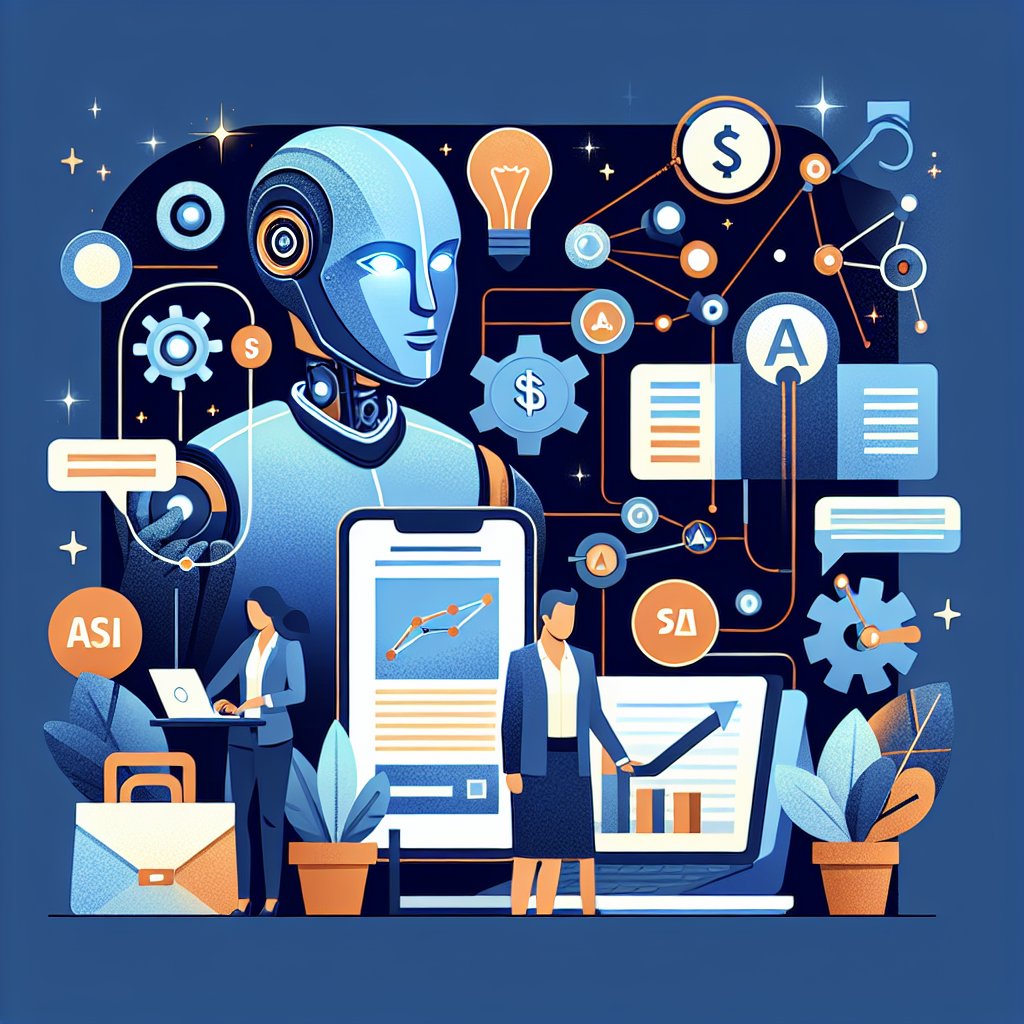

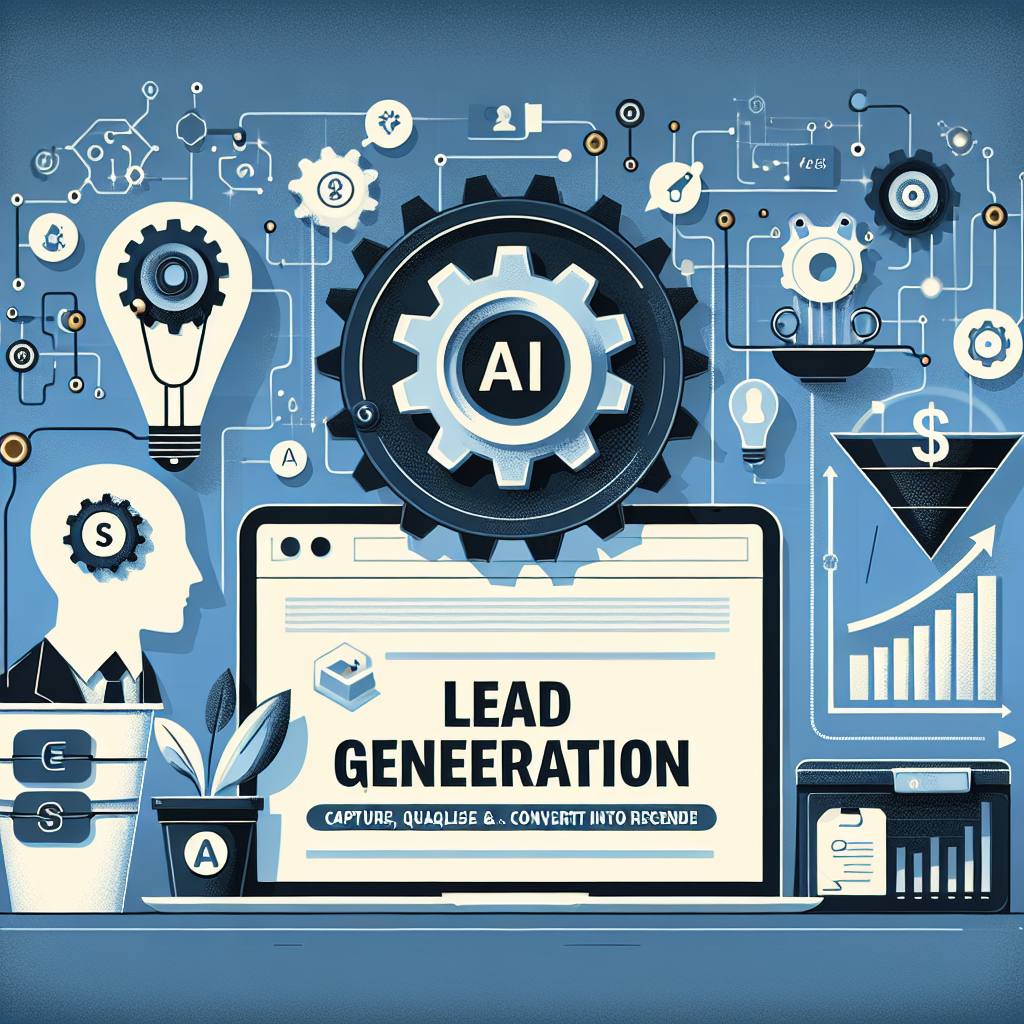
Lead generation is no longer about collecting as many contacts as possible, it is about creating fast, relevant conversations that move buyers forward. This guide breaks down practical tactics to capture, qualify, and convert leads using AI, automation, and multi-channel messaging without sacrificing the human touch.
Lead generation and sales have changed in one crucial way: speed and relevance now win. Prospects expect instant answers, personalized follow-ups, and an easy path to book, buy, or get a quote. If your team responds hours later, asks repetitive questions, or loses leads across channels, you are not just missing opportunities, you are training the market to choose faster competitors.
AI and automation help you meet modern expectations without hiring a round-the-clock team. The goal is not to remove humans from sales, it is to remove friction from the journey: capture intent at the moment it appears, qualify it consistently, and convert it with timely, helpful communication. Platforms like Staffono.ai are designed for exactly this, providing 24/7 AI employees that handle customer conversations, bookings, and sales across WhatsApp, Instagram, Telegram, Facebook Messenger, and web chat so you can scale with control.
Traditional funnels often rely on web forms, email sequences, and manual callbacks. They still work, but they are slow and brittle. A conversation-first approach meets prospects where they already are and reduces the steps between interest and action.
High-intent moments happen in messaging channels and on key pages. Someone asks a pricing question on Instagram, clicks an ad to WhatsApp, or hesitates on your booking page. These are conversion moments.
With Staffono.ai, you can centralize these entry points and respond instantly across multiple channels. The faster the first response, the higher the likelihood of conversion, especially for local services, e-commerce, and B2B inquiries.
Many leads drop because the first step feels too heavy. Replace long forms with small, easy actions that move the conversation forward.
This approach increases completion rates and gives you structured data for qualification.
Qualification is where revenue is protected. Without it, sales teams waste time on low-fit leads while high-fit leads wait too long. A good qualification system should be quick, consistent, and tied to what actually predicts purchase in your business.
Start by defining your qualification criteria in plain language. Avoid vague scoring models until you have a baseline.
For example, a home services business might qualify based on service area, job type, and desired date. A B2B SaaS team might qualify based on team size, current toolset, and timeline to implement.
Qualification should feel like help, not interrogation. Ask one question at a time, explain why it matters, and give quick options to choose from. Good messaging flows look like this:
An AI employee can handle these questions instantly, store the answers, and route the lead appropriately. Staffono.ai is built for this type of structured, multi-channel qualification, helping you keep messaging natural while still collecting the data your sales process needs.
Not every lead should go to the same place. Create clear paths:
This improves close rates and reduces the feeling of being overwhelmed in your sales pipeline.
Conversion is often less about persuasion and more about timing, clarity, and removing obstacles. AI helps you deliver the right message at the right time, consistently.
Many teams lose deals in the gap between messages. A prospect asks “How much does it cost?” and receives a reply the next day. By then, they have moved on.
Automated, instant responses can cover:
Staffono.ai supports 24/7 customer communication across popular channels, making it easier to keep conversations alive outside business hours, weekends, and during peak demand.
When a lead is ready, do not make them wait. Provide a direct path to action:
Even if the final sale requires a human, moving the lead to a scheduled meeting quickly increases close probability.
Objections are predictable. Build a library of responses and resources that your AI and team can use consistently. Common ones include:
The key is to respond quickly and helpfully, not defensively.
A salon runs Instagram ads that open WhatsApp. An AI employee asks service type, preferred time, and location, then offers available slots and books instantly. If a client asks about pricing, it provides a range and clarifies what affects it. After booking, it sends reminders and answers pre-visit questions. This reduces missed calls and fills the calendar faster.
A consultancy uses web chat on its pricing page. Visitors can ask questions and get guided qualification: company size, primary challenge, timeline. High-fit leads are offered a meeting link; warm leads get a tailored resource and a follow-up message. The sales team receives a summary of the conversation, saving time on discovery.
Customers message on Telegram and Instagram about product fit and delivery. AI answers FAQs, recommends products based on needs, and recovers abandoned carts by sending a gentle reminder and a size guide. When needed, it escalates to a human agent with context.
Lead generation and sales automation should be measured like any other growth system. Track a small set of metrics weekly:
When first response time drops and booking rate increases, revenue usually follows.
AI works best when it supports a well-defined journey.
The strongest lead generation and sales systems are built on fast, helpful communication. Capture intent in the channels your prospects prefer, qualify with a simple framework, and convert by removing friction through instant answers, booking, and consistent follow-up. When you do this well, you create a pipeline that grows without burning out your team.
If you want to put these tactics into action with multi-channel messaging and 24/7 automation, Staffono.ai can help you deploy AI employees that capture and qualify leads, answer questions instantly, and guide prospects to bookings and sales. It is a practical way to scale revenue conversations while keeping service quality high, even when your team is offline.