
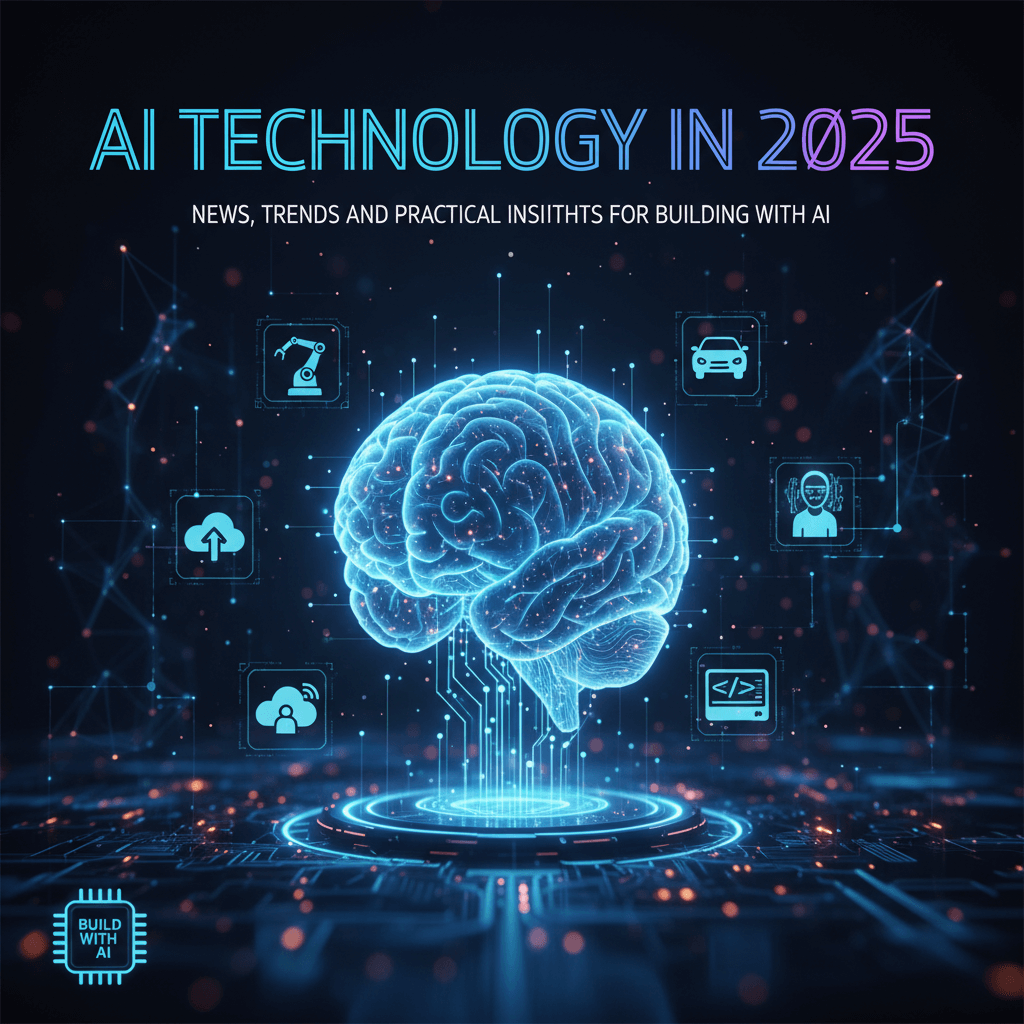
AI is moving from impressive demos to measurable business outcomes, especially in customer communication, lead generation, and sales automation. This guide breaks down the latest AI trends and shares practical, build-ready tactics you can apply today to ship reliable AI workflows and grow revenue.
AI technology is no longer a side project for innovation teams. In 2025, it is becoming the default layer for customer communication, sales operations, and the “glue work” that keeps fast-growing businesses from drowning in messages, leads, and follow-ups. The biggest shift is simple: companies are moving from experimenting with AI to operationalizing it, measuring it, and integrating it into everyday workflows.
This article covers current AI news themes and trends you should pay attention to, then turns those ideas into practical, build-ready insights. If you are building products, running growth, or managing operations, you will find concrete examples you can adapt, plus a clear path to implementing messaging automation across channels using solutions like Staffono.ai.
Daily AI headlines can be noisy, but most updates fall into a few categories that matter to builders and business teams:
For most businesses, the biggest opportunity is not building a new model. It is building a reliable system around AI that connects to your CRM, calendar, inventory, and messaging channels, then improves over time with feedback.
Chat interfaces are familiar, but the real value appears when AI becomes part of a workflow. Instead of answering one question at a time, AI can manage a full lifecycle:
This is where “AI employees” become a practical concept. For example, Staffono.ai provides 24/7 AI employees that can handle customer communication, bookings, and sales across WhatsApp, Instagram, Telegram, Facebook Messenger, and web chat. The key is not just answering questions, it is progressing the conversation toward an outcome.
Customers increasingly expect to talk to businesses in the same apps they use with friends and family. That means your “front desk” is spread across multiple inboxes. Without automation, teams miss leads, reply late, or lose context when switching tools.
Modern AI messaging automation is about consistency across channels:
When you deploy an AI employee through Staffono, you are effectively standardizing how your business responds and sells across the channels that matter, without forcing customers to change their habits.
One of the most important technical trends is retrieval-augmented generation (RAG), which grounds AI responses in your real business data. Instead of relying purely on the model’s internal knowledge, the system retrieves relevant information from a trusted source, then generates an answer based on that context.
For customer communication and sales, grounded AI means:
Actionable tip: build a single source of truth for your business knowledge (FAQs, policies, product catalog, booking rules) and keep it updated. Your AI will only be as reliable as the data you give it.
As AI moves into revenue and customer experience, teams are treating it like any other production system. That means clear metrics, monitoring, and continuous improvement.
For AI in messaging and sales automation, track:
Practical example: if your Instagram DMs convert poorly, review transcripts to see where users drop off. Often it is unclear pricing, too many questions too early, or slow handoff to a human. An AI employee can be tuned to ask fewer questions, offer options, and escalate when buying intent is high.
Sales automation fails when it sounds like a script. High-performing AI behaves like a helpful concierge. Here are tactics that work across industries:
Do not ask for everything upfront. Ask the minimum needed to provide value, then gather details later. Example for a service business:
Instead of open-ended questions, provide 2-3 options. This increases reply rates and speeds up bookings.
Define “high intent” signals: asking about contract length, implementation timeline, or “Can I talk to someone today?” When those appear, route to a human with a conversation summary. Staffono.ai is designed for these real-world handoffs, so your team spends time closing, not collecting basic info.
Goal: reduce time spent on unqualified inquiries and respond instantly after hours.
Result: faster response, better data in your CRM, and higher close rates because reps start with context.
Goal: increase bookings and reduce no-shows.
This is a classic use case for Staffono.ai because it combines customer communication with real operational outcomes, not just conversation.
Goal: prevent leads from going cold after a demo or quote.
Even strong sales teams lose revenue to inconsistent follow-up. Automating this stage often produces quick wins.
AI success is less about “adding a chatbot” and more about designing guardrails:
Expect AI to become more proactive and more integrated. Instead of waiting for a message, systems will detect when a lead is stuck, when a customer is likely to churn, or when inventory changes should trigger outreach. The winners will be businesses that connect AI to their real workflows and measure outcomes, not just engagement.
If you want to turn these trends into immediate business growth, the fastest path is to deploy AI where customer demand already exists: your messaging inboxes. With Staffono.ai, you can put 24/7 AI employees on WhatsApp, Instagram, Telegram, Facebook Messenger, and web chat to capture leads, qualify them, book appointments, and support customers consistently. When you are ready to scale without adding headcount for every new channel, Staffono can help you operationalize AI in a way that is practical, measurable, and built for revenue.