
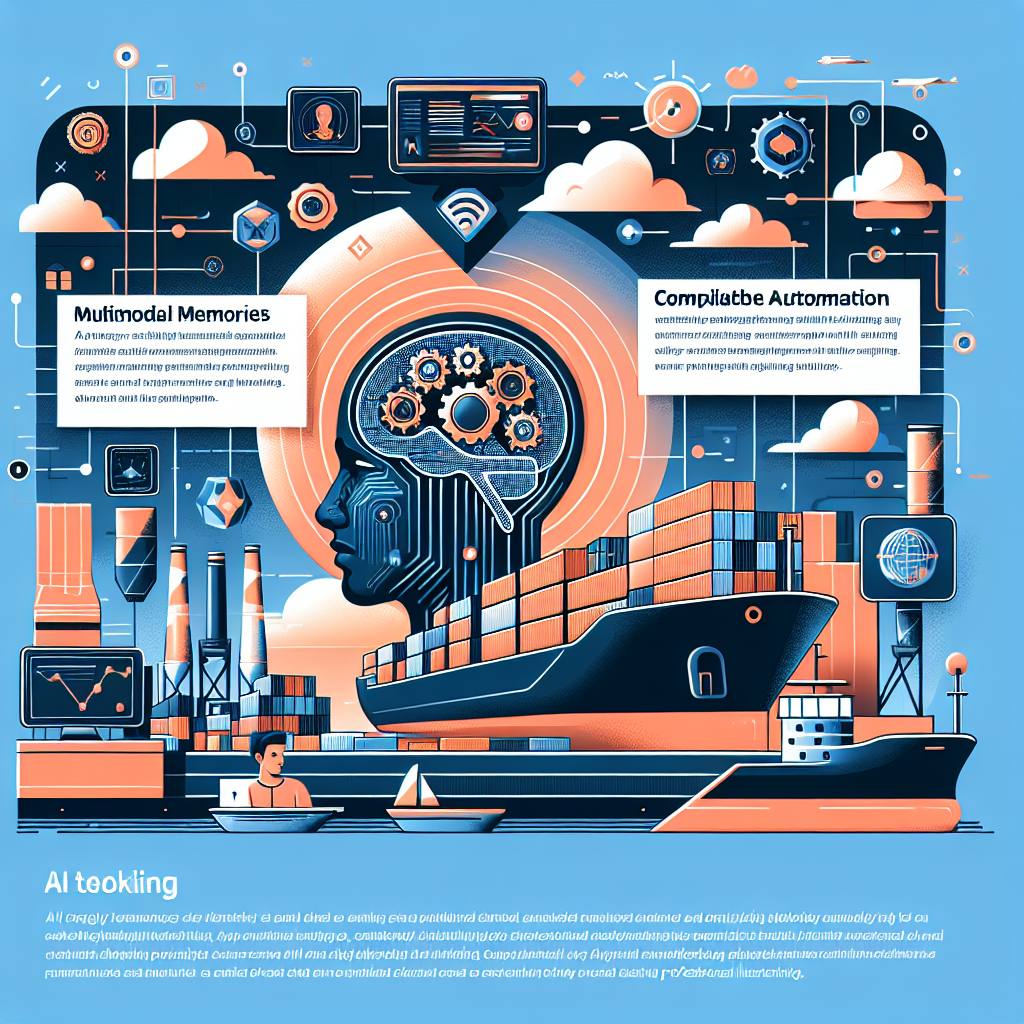
AI is moving from clever demos to dependable systems that can remember context, act across channels, and stay compliant under real-world constraints. This article breaks down the biggest AI news themes, what they mean for builders, and practical steps to turn fast-moving capabilities into stable business automation.
AI technology headlines can feel like a blur: new multimodal models, cheaper inference, agent tool use, privacy regulation updates, and endless “breakthrough” demos. But the most important shift is quieter: teams are learning how to turn these capabilities into repeatable, compliant automation that works every day, not just on launch day.
In 2026, the winners will not be the companies that chase every model release. They will be the teams that build AI systems with strong memory boundaries, clear handoffs, measurable outcomes, and safe integration into business workflows. If your AI touches customer conversations, sales, bookings, or support, you need a practical approach to reliability and trust.
Below is a builder-focused view of what is happening in AI news, the trends that matter, and concrete tactics you can apply now. Along the way, you will see how Staffono.ai (https://staffono.ai) fits into the picture as a platform for deploying always-on AI employees across WhatsApp, Instagram, Telegram, Facebook Messenger, and web chat.
Many headlines look different on the surface, but they cluster into a few underlying signals that affect product decisions.
Text-only AI is no longer the ceiling. Teams are increasingly working with models that can interpret images, voice, and documents. The impact is practical: fewer “please restate this in text” steps, faster issue resolution, and better automation for messy, real inputs like screenshots, invoices, or product photos.
Practical insight: Multimodal capability is most valuable when it reduces friction in a workflow. For example, a customer sends a photo of a damaged item via WhatsApp. A multimodal-enabled workflow can extract key details, request the right follow-up information, and initiate a replacement or refund process with minimal back-and-forth.
Staffono.ai is relevant here because customer conversations rarely arrive as clean forms. Businesses receive screenshots, voice notes, and partial messages across channels. An AI employee that can handle these inputs consistently is a direct operational advantage.
More products now advertise “memory,” but mature teams treat memory as a controlled resource. The goal is not to remember everything. The goal is to remember the right things, for the right time window, with explicit consent and retention rules.
Practical insight: Split memory into layers:
When you implement memory this way, you can be helpful without being creepy, and you can be compliant without losing personalization.
Agent demos often show a model planning and acting freely. In production, the more reliable pattern is “tool use inside guardrails.” The AI can call a booking system, create a lead in a CRM, or fetch order status, but only through approved actions with validation and logging.
Practical insight: Replace open-ended autonomy with a menu of well-defined tools, each with input schemas, permission checks, and rate limits. Then measure tool success rates like any other API integration.
This is one reason platforms like Staffono.ai matter: the hard part is not generating text, it is connecting conversation to real operations across channels, with consistent business rules.
As inference costs drop and model quality rises, teams are increasingly using a “model mix.” A smaller model handles classification, routing, and common replies. A larger model handles complex edge cases, summarization, or sensitive reasoning. This improves speed and cost without sacrificing quality.
Actionable step: Identify your top five conversation intents and build a lightweight routing layer that decides:
For businesses using Staffono.ai, this maps well to real operations: common questions can be answered instantly, while complex sales or support situations can be routed intelligently, with a clear path to human takeover when needed.
Privacy, consent, retention, and transparency rules are tightening globally. The practical takeaway: you need to design your AI system so that compliance is observable and enforceable. That means audit logs, data minimization, and clear explanations when AI is involved in decisions.
Actionable step: Maintain an “AI interaction record” per conversation:
This is also a business trust play. Customers are more comfortable when they can see what is happening and why.
The most reliable AI ROI is showing up in the unglamorous parts of the customer journey: responding faster, capturing leads accurately, booking appointments, reducing missed follow-ups, and keeping customers informed. These are “edge” tasks because they happen continuously and across many channels.
Practical example: A local service business receives inquiries across Instagram and WhatsApp. The AI must:
This is exactly where Staffono.ai can help, because it is designed for cross-channel customer communication and operational actions like bookings and sales follow-up.
Models will keep changing. Your system should not break every time the underlying model improves or shifts behavior. The best approach is to treat AI as one component in a larger product system.
Define what “good” looks like for your AI employee in specific scenarios. For example:
This contract becomes your test suite and your training guide, regardless of model changes.
Retrieval-augmented generation is still a core pattern, but it fails when knowledge bases are messy. The practical move is to curate a small, high-trust set of sources first: policies, FAQs, product catalog, and operating procedures. Then expand.
Actionable step: Create a “gold docs” folder that is versioned and owned. If you cannot confidently cite it to a customer, do not let the model retrieve it.
If AI is creating a booking, a lead, or a support ticket, do not rely on free-form text. Use structured fields that your systems can validate: dates, phone numbers, selected services, and consent flags.
Many teams get stuck because the AI writes a beautiful message but the CRM entry is unusable. The fix is schema-first design.
AI quality is often discussed in subjective terms. In production, you need operational metrics tied to business outcomes:
Platforms like Staffono.ai typically make it easier to instrument these workflows because the AI employee is already operating at the messaging layer where conversion and resolution happen.
Most businesses lose revenue not because they lack leads, but because follow-up is inconsistent. Build an AI workflow that detects unanswered inquiries and re-engages politely within a set time window, offering a clear next step like booking a call or viewing pricing.
Staffono.ai can automate this across WhatsApp, Instagram, and web chat, so your team does not have to chase threads manually.
Instead of letting AI “negotiate” scheduling in free text, constrain it:
This reduces errors dramatically while still feeling conversational.
Customers do not want a form, but your sales team needs structure. Use AI to ask two or three high-signal questions, then summarize the lead for a rep in a consistent format. The rep starts with context, not confusion.
With Staffono.ai, this can happen in the same channel the customer already uses, without pushing them to email.
Expect more capability, but also more scrutiny. Customers will reward speed and convenience, but they will punish confusing handoffs, privacy surprises, and inconsistent answers. The teams that win will treat AI like a production system: controlled context, verified actions, and continuous measurement.
If you are looking for a practical way to apply these trends to real operations, Staffono.ai (https://staffono.ai) is built to deploy AI employees that handle customer communication, bookings, and sales across multiple messaging channels, 24/7. When you connect AI to the workflows that actually move revenue and retention, the technology stops being news and starts being growth.