
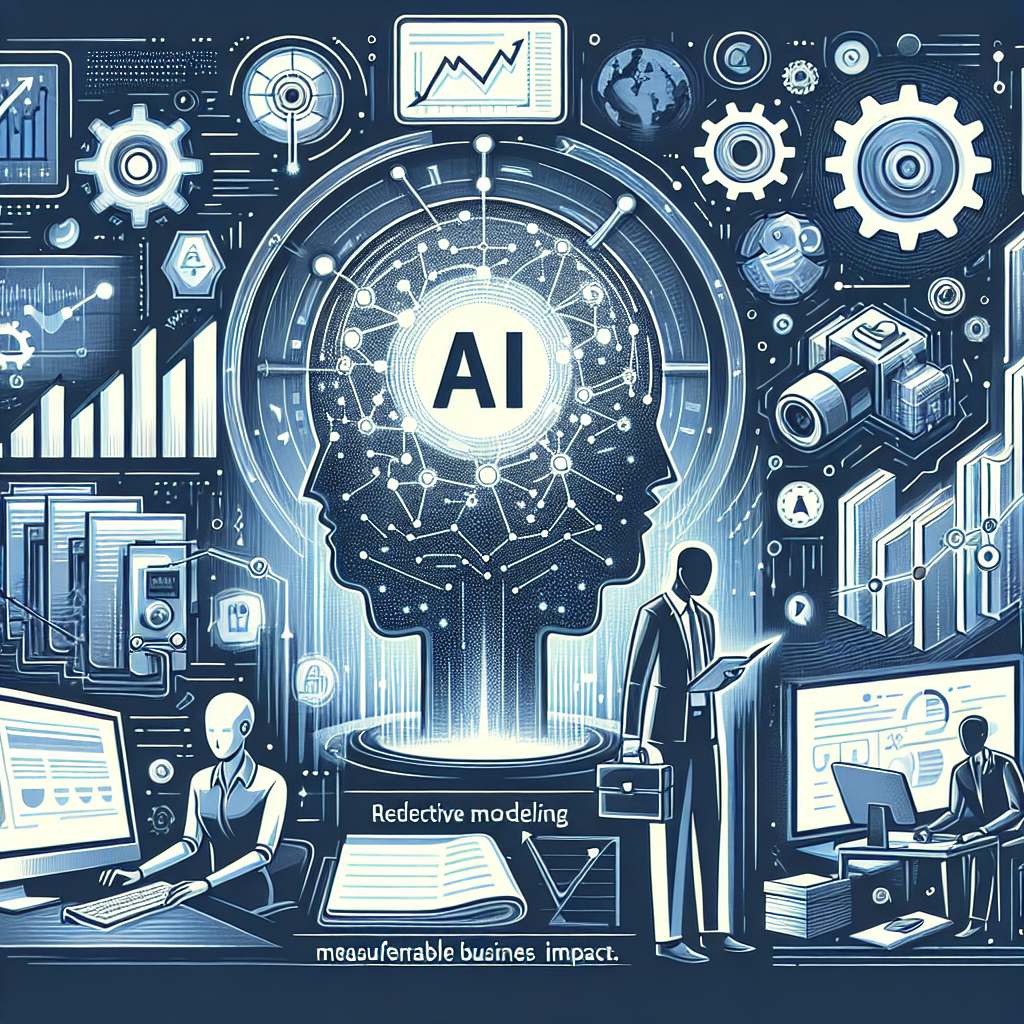
AI is moving fast, but the real advantage comes from integration, not headlines. This playbook breaks down the news and trends that matter, then turns them into practical steps for shipping reliable AI features, especially in customer messaging, lead capture, and sales automation.
AI technology has entered a phase where the biggest gains no longer come from simply “using a model.” They come from integrating AI into the places where work already happens: customer conversations, booking flows, lead qualification, follow-ups, and internal handoffs. The teams winning in 2025 are not the ones chasing every new release, they are the ones turning a small set of capabilities into consistent outcomes.
This article is a practical playbook for builders and business owners. We will cover the AI news and trends that actually change product decisions, then translate them into concrete implementation patterns you can use. The goal is simple: ship AI that improves speed, accuracy, and revenue, without creating chaos for your team or customers.
AI “news” is often framed as bigger models and more benchmarks. Useful, but incomplete. The updates that matter in real deployments tend to fall into a few categories:
If you build with AI for business operations, these shifts matter because they reduce the gap between “AI demo” and “AI employee.” Platforms like Staffono.ai are designed around this reality: AI that works inside messaging channels, uses tools to complete tasks, and stays reliable enough to run 24/7.
A common mistake is treating AI like a standalone feature, a chatbot widget, or a one-off automation. The stronger approach is to treat AI as infrastructure, similar to payments or analytics. That means you design an integration layer that connects:
When you think this way, you stop asking “Which model should we use?” and start asking “Which workflows should we automate end-to-end, and how do we measure success?” This is where business automation platforms shine. With Staffono.ai, the “integration mindset” is built-in: AI employees can communicate across major messaging channels and drive actions like booking, qualification, and follow-up, while keeping humans in the loop where needed.
Prompts are not a strategy. Choose one workflow where delays or inconsistency cost you money. Examples:
Define success metrics before building:
These metrics keep you grounded when the AI news cycle gets loud.
Reliable AI behaves less like “open conversation” and more like guided progression. Model your flow as states with clear transitions. For example, a booking flow can be:
Within each state, the AI can be conversational, but the state boundaries create predictability. This is a core pattern used in messaging-first automation, and it is one reason tools like Staffono.ai can run “AI employees” that stay on task across many chats.
Retrieval augmented generation (RAG) is widely adopted, but teams often treat it as a technical checkbox. In practice, your knowledge base needs product thinking:
Practical tip: keep “source snippets” short and explicit, and have the AI cite or paraphrase only what it retrieves. That reduces hallucinations and helps with compliance.
Customers do not want conversations, they want outcomes. That means your AI needs tool access to complete tasks:
This is where “AI employees” become meaningful. Staffono.ai is positioned exactly for this: handling customer communication and driving bookings and sales actions across channels, continuously, without your team needing to be online.
Scenario: A service business receives inbound DMs across Instagram and WhatsApp. The team replies late, and many leads go cold.
Implementation approach:
Measurement:
This is a natural fit for Staffono.ai because it operates inside the messaging channels where leads already arrive, and can run the qualification flow 24/7.
Scenario: A clinic or salon books appointments manually, which causes delays and missed reminders.
Implementation approach:
Key detail: include a policy state for cancellations and deposits, so the AI is consistent and does not improvise pricing rules.
Scenario: Customers send screenshots of errors or product photos. Email support is slow.
Implementation approach:
Result: faster time to resolution and fewer back-and-forth messages.
The most important “trend” in production AI is not model intelligence, it is operational discipline. If you want AI to run customer conversations, you need a feedback loop.
Also, design a clean handoff: when escalating, pass the full context, what the customer wants, what was already tried, and the recommended next step. That single design choice can save hours per week.
As AI becomes embedded in messaging, cost control becomes product design. A few practical tactics:
When AI runs at scale, these decisions determine whether automation is a margin booster or a hidden tax.
If you want a simple prioritization rule, use this: automate the conversation that happens most often, closest to revenue, with the highest drop-off due to response delays. For many businesses, that is inbound messaging.
That is why Staffono.ai focuses on AI employees for customer communication, bookings, and sales across WhatsApp, Instagram, Telegram, Facebook Messenger, and web chat. It targets the workflows where speed and consistency directly translate into more booked revenue and lower operational load.
AI technology will keep changing weekly, but your business results will change only when you integrate AI into repeatable workflows, measure outcomes, and refine. Pick one flow, build it as a state machine, connect it to tools, and add an evaluation loop. Within a month, you should see tangible movement in response time, conversion, and team focus.
If you want a faster path to production, explore how Staffono.ai can deploy always-on AI employees across your messaging channels, qualify leads, automate bookings, and keep follow-ups consistent while your team concentrates on high-value work. The best AI strategy is the one that runs every day, not the one that sounds impressive in a slide deck.